
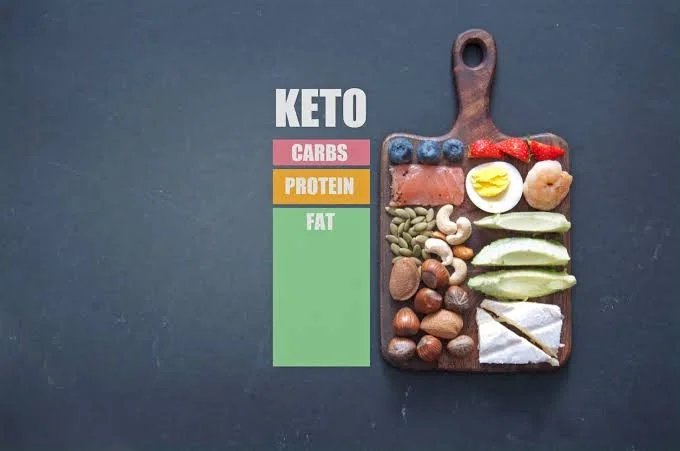
What are the standard keto macro ratios?
The classic ketogenic macro split is approximately 70 to 75 percent calories from fat, 20 to 25 percent from protein, and 5 percent or less from carbohydrates, with net carbs typically kept under 20 to 50 grams per day to maintain ketosis. Use the calculator below to convert these percentages into personalised daily gram targets based on your body stats and calorie needs.
Table of Contents
- Keto Macro Calculator
- What Makes a Diet Ketogenic?
- How Do You Set Protein on Keto?
- What Is the Net Carb Limit for Ketosis?
- What Are the Best Fat Sources on a Keto Diet?
- How Do You Track Keto Macros Daily?
- Frequently Asked Questions
- References
Keto Macro Calculator
Keto Macro Calculator
Daily calorie target
Fat
Protein
Net Carbs
Net carbs = total carbs minus dietary fiber. Increase fiber-rich vegetables to add bulk without raising net carbs.
What Makes a Diet Ketogenic?
A ketogenic diet shifts the body’s primary fuel source from glucose to ketones. This shift occurs when carbohydrate intake is restricted low enough that liver glycogen stores are depleted and the liver begins converting fatty acids into ketone bodies, which the brain and other organs use as an alternative fuel.
The threshold for ketosis varies between individuals based on metabolic rate, muscle mass, and activity level, but for most people, keeping net carbohydrate intake below 20 to 50 grams per day reliably induces and maintains nutritional ketosis. This is why the carbohydrate allowance on a ketogenic diet is dramatically lower than on a standard or even low-carb diet, not as an arbitrary restriction but as the mechanism that drives the metabolic shift the diet is built around.
The high fat proportion of a ketogenic diet, typically 70 to 75 percent of calories, is a consequence of this carbohydrate restriction rather than a separate goal. When carbohydrates are nearly eliminated, dietary fat becomes the primary calorie source by default.
How Do You Set Protein on Keto?
Protein is the most nuanced macro to set on a ketogenic diet because protein intake affects ketosis in a way that fat intake does not. Very high protein intakes can trigger gluconeogenesis, the conversion of amino acids to glucose, which can reduce blood ketone levels for some individuals, particularly those using keto for therapeutic purposes such as epilepsy management.
For most people using keto for weight loss or general metabolic health, the practical protein target is 1.5 to 2.0 grams per kilogram of body weight per day. This is high enough to preserve muscle mass during a calorie deficit, which is important because the initial rapid weight loss on keto involves water and glycogen depletion alongside fat. Adequate protein minimises muscle loss during this phase.
The calculator above sets protein at 1.7 grams per kilogram, which sits in the middle of the evidence-supported range for muscle preservation during a keto fat loss phase. Athletes and people doing significant resistance training may benefit from the higher end of 2.0 to 2.2 grams per kilogram.
What Is the Net Carb Limit for Ketosis?
Net carbs are calculated by subtracting dietary fiber from total carbohydrates. Fiber is not digested and does not raise blood glucose or insulin, so it does not affect ketosis. This distinction matters because many high-fiber foods like leafy greens, broccoli, avocado, and nuts have moderate total carbohydrate counts but very low net carbs, making them compatible with a ketogenic approach.
The standard net carb limit for ketosis in most guidelines is 20 to 50 grams per day. Beginners typically start at the stricter end, under 20 grams, to reliably enter ketosis during the adaptation period. Once ketosis is established, some people can maintain it at higher net carb intakes depending on their activity level and metabolic sensitivity.
Blood ketone measurement using a finger-prick ketone meter gives the most direct indication of whether a given carb intake is maintaining ketosis. Urine ketone strips are a cheaper but less accurate alternative. Breath ketone meters provide a non-invasive option.
What Are the Best Fat Sources on a Keto Diet?
Since 70 to 75 percent of keto calories come from fat, the quality of fat sources matters considerably for long-term health. A keto diet built around unsaturated fats from olive oil, avocado, fatty fish, and nuts has different cardiovascular effects than one built primarily around saturated fat from processed meats and butter.
The most evidence-supported keto fat sources include olive oil as the primary cooking and dressing fat for its cardiovascular benefits, avocado and avocado oil for monounsaturated fat and potassium, oily fish including salmon, mackerel, and sardines for omega-3 DHA and EPA, nuts and seeds including almonds, walnuts, and chia seeds, eggs for protein, choline, and mixed fat, and coconut oil in moderation for medium-chain triglycerides which are converted to ketones more efficiently than other fats.
Sources to moderate rather than eliminate include butter and cream from grass-fed animals, which provide some anti-inflammatory fatty acids, and full-fat dairy including cheese and Greek yoghurt within carb limits.
Welling’s food tracker tracks net carbs specifically, which is the relevant measure for keto, alongside fat, protein, and total calories, giving you a complete keto macro dashboard in each daily log.
How Do You Track Keto Macros Daily?
Keto tracking requires more precision than general calorie counting because a single higher-carb day can kick you out of ketosis, disrupting the adaptation period and requiring one to three days to re-enter the fat-burning state. This makes accurate daily net carb tracking particularly important in the early weeks.
Welling’s macro tracker logs net carbs automatically from photo, chat, and voice logging in 2.6 seconds on average, with 95.6 percent food identification accuracy across 15,000 tested meals. The AI nutrition coach can answer keto-specific questions like “is this food keto friendly”, “how many net carbs have I had today”, or “what can I eat tonight that keeps me under my carb limit” with direct answers based on your actual logged data.
Track your keto macros in seconds, not minutes.
Welling logs net carbs, fat, and protein automatically from a photo, chat, or voice note in 2.6 seconds on average. Ask the AI coach what to eat to stay in ketosis today.
Frequently Asked Questions
What are the standard keto macro ratios?
The classic ketogenic macro split is 70 to 75 percent of calories from fat, 20 to 25 percent from protein, and 5 percent or fewer from carbohydrates. In gram terms for a 1,800-calorie diet, this is approximately 140 to 150 grams of fat, 90 to 100 grams of protein, and 20 to 25 grams of net carbs per day.
How many net carbs can you eat on keto?
Most people maintain ketosis at under 20 to 50 grams of net carbs per day. The strict end of 20 grams is recommended for beginners and those using keto for therapeutic purposes. More active individuals may tolerate up to 50 grams while remaining in ketosis.
How long does it take to enter ketosis?
Most people enter ketosis within two to four days of restricting carbohydrates below 50 grams per day. Glycogen stores in the liver and muscles need to be depleted before the body switches to ketone production. Being in a calorie deficit and exercising accelerates this process.
Is protein too high bad for keto?
Very high protein intakes can trigger gluconeogenesis in some people, converting amino acids to glucose and potentially reducing ketone levels. For most non-therapeutic keto users, 1.5 to 2.0 grams per kilogram of body weight is a practical range that supports muscle preservation without significantly affecting ketosis.
What foods are naturally keto-friendly?
Naturally keto-compatible foods include meat, fish, seafood, eggs, hard cheese, butter, cream, non-starchy vegetables (leafy greens, broccoli, courgette, cauliflower), avocado, olives and olive oil, nuts and seeds, and coconut oil. Foods to avoid include grains, legumes, most fruit, root vegetables, sugar, and most processed foods.
Can you build muscle on a keto diet?
Yes, though muscle building may be slower on keto compared to higher-carb diets because carbohydrates support training performance and glycogen replenishment. Athletes and bodybuilders who have adapted to keto over several months can build muscle while maintaining ketosis, but the adaptation period and the potential performance reduction in high-intensity exercise make it less optimal for most people prioritising muscle gain compared to higher-carb approaches.
References
- Volek, J. S., & Phinney, S. D. (2012). The Art and Science of Low Carbohydrate Performance. Beyond Obesity LLC.
- Gibson, A. A., et al. (2015). Do Ketogenic Diets Really Suppress Appetite? A Systematic Review and Meta-Analysis. Obesity Reviews, 16(1), 64-76. https://pubmed.ncbi.nlm.nih.gov/25402637/
- Hall, K. D., et al. (2020). Effect of a Plant-Based, Low-Fat Diet versus an Animal-Based, Ketogenic Diet on Ad Libitum Energy Intake. Nature Medicine, 27(2), 344-353. https://pubmed.ncbi.nlm.nih.gov/33479499/
- Helms, E. R., et al. (2014). A Systematic Review of Dietary Protein During Caloric Restriction. International Journal of Sport Nutrition and Exercise Metabolism, 24(2), 127-138. https://pubmed.ncbi.nlm.nih.gov/24092765/
- Paoli, A., et al. (2013). Beyond Weight Loss: A Review of the Therapeutic Uses of Very-Low-Carbohydrate (Ketogenic) Diets. European Journal of Clinical Nutrition, 67(8), 789-796. https://pubmed.ncbi.nlm.nih.gov/23801097/
- Mifflin, M. D., et al. (1990). A New Predictive Equation for Resting Energy Expenditure in Healthy Individuals. American Journal of Clinical Nutrition, 51(2), 241-247. https://pubmed.ncbi.nlm.nih.gov/2305711/

Mickey Kittinuttakul