

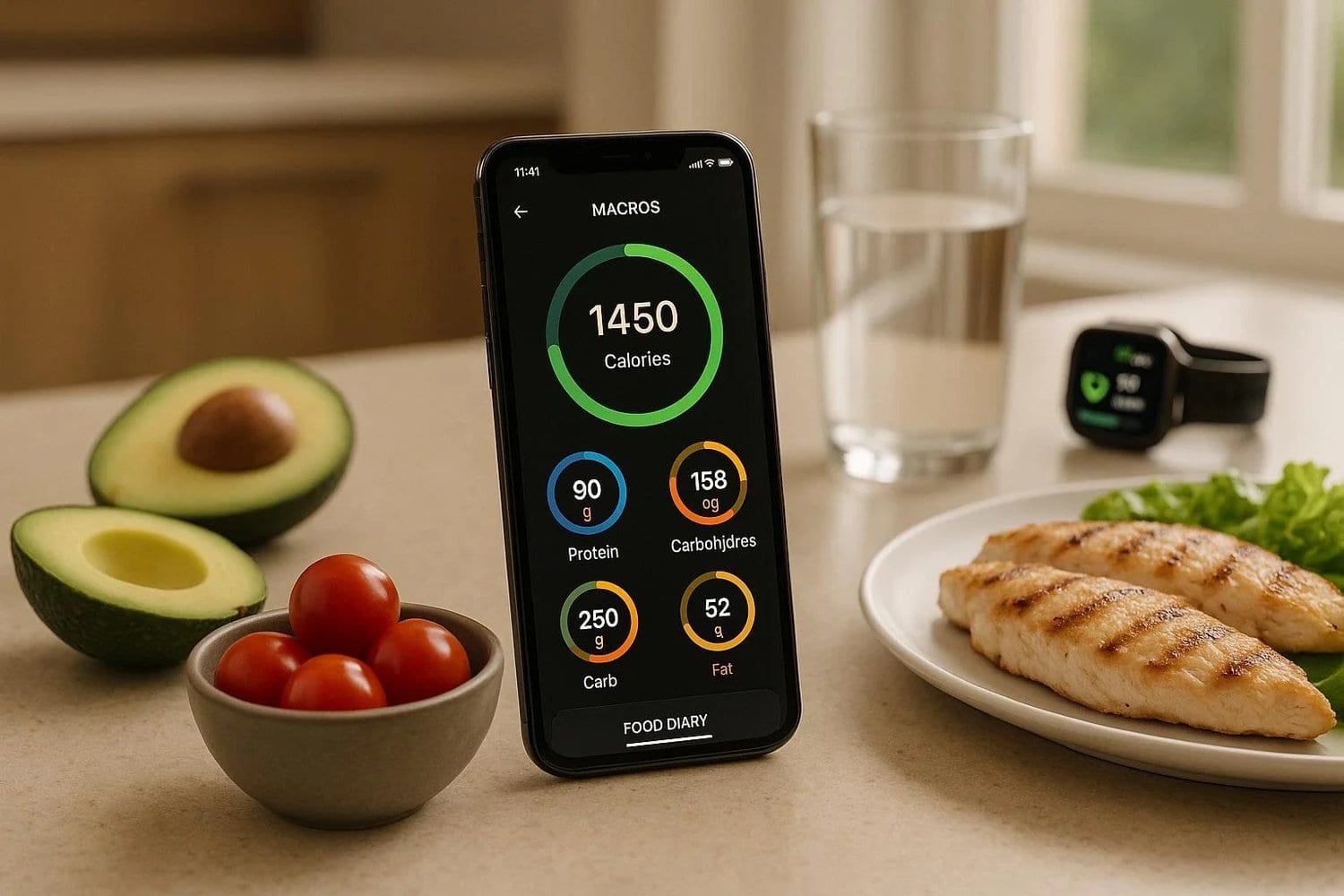
Macro tracking has evolved.
What started as manual calorie counting inside spreadsheets has now become AI-assisted nutrition tracking that can analyze meals through photos or conversational input.
If you’re searching for the best app track macros, you’re likely looking for something simple, accurate, and sustainable, especially as a beginner.
This guide explains what macro tracking is, how modern macro apps work, and how AI is reshaping macro tracking in 2026.
Quick Answer
What is the best app to track macros?
The best app to track macros is one that makes logging protein, carbs, and fats accurate without being complicated.
Welling represents the next generation of macro tracking with AI-powered chat and photo logging that reduces manual search friction. Cronometer is known for detailed nutrient precision. MyFitnessPal offers broad database coverage for traditional macro tracking.
For beginners, ease of logging often determines long-term success more than feature depth.

Table of Contents
- What Is Macro Tracking?
- Why Macro Tracking Became Popular
- How Macro Tracking Is Different from Calorie Tracking
- Traditional Macro Tracking Apps
- The Problem with Manual Macro Tracking
- Macro Tracking 2.0: The AI Shift
- Why AI Improves Beginner Macro Tracking
- Other Macro Tracking Apps
- How to Choose the Best App to Track Macros
- Getting Started with Macro Tracking
- Frequently Asked Questions (FAQs)
- References
What Is Macro Tracking?
Macro tracking means monitoring your intake of the three macronutrients:
Protein
Carbohydrates
Fat
Each provides energy:
Protein = 4 kcal per gram
Carbohydrates = 4 kcal per gram
Fat = 9 kcal per gram
Unlike calorie tracking alone, macro tracking focuses on nutrient balance. Two diets may have the same calories but very different macro distributions.
How Macro Tracking Is Different from Calorie Tracking
Calorie tracking focuses only on total energy intake. It answers one question: how many calories did you consume?
Macro tracking goes deeper. It answers how those calories are distributed between protein, carbohydrates, and fats.
Two people can eat the same number of calories but have very different macro breakdowns. One diet might be high in protein and moderate in carbs, while another could be low in protein and high in fats.
Because protein supports muscle retention and satiety, macro tracking provides more precision for body composition goals than calorie tracking alone.
For beginners, calorie tracking builds awareness, but macro tracking builds strategy.
Why Macro Tracking Became Popular
Macro tracking gained popularity because it:
Supports muscle gain and fat loss goals
Improves awareness of protein intake
Helps balance energy levels
Encourages structured eating habits
Athletes, fitness enthusiasts, and beginners alike use macro tracking to align food intake with specific outcomes.
Traditional Macro Tracking Apps
Most diet apps follow a similar structure:
Set macro targets
Search food database
Log meals manually
Review macro totals
This works but it creates friction.
Users must scroll through food lists, choose correct entries, and adjust portion sizes carefully.
The biggest challenge beginners face is consistency.
The Problem with Manual Macro Tracking
Common beginner struggles:
Selecting incorrect database entries
Forgetting to log meals
Getting overwhelmed by nutrient detail
Spending too much time logging food
Macro tracking only works when it becomes habitual. If logging feels tedious, adherence drops.
This is where innovation matters.
Macro Tracking 2.0: The AI Shift
Modern macro tracking apps are moving toward AI-assisted logging.
Instead of manually searching databases, users can:
Describe meals conversationally
Upload food photos
Receive automatic macro estimates
Adjust portions dynamically
This reduces cognitive load and speeds up tracking.
The shift from “database search” to “AI interpretation” represents the next phase of diet apps.
Why AI Improves Beginner Macro Tracking
AI-assisted tracking can help beginners by:
Reducing logging time
Lowering search errors
Simplifying complex meals
Encouraging daily consistency
One example of this approach is Welling, which combines conversational food logging and macro estimation in a single interface.
Instead of navigating long food lists, users log naturally which can improve adherence over time.
Other Macro Tracking Apps
While AI-driven tools are growing, traditional macro apps remain widely used.
Cronometer
Best for detailed macro and micronutrient analysis.
MyFitnessPal
Best for large database and community-based tracking. Each serves different preferences depending on how much control and detail a user wants.
How to Choose the Best App to Track Macros
For beginners, prioritize:
Ease of logging
Clear macro dashboard
Reliable data
Customizable targets
Low friction
The best macro tracking app is the one you will consistently use.
Innovation is shifting macro tracking toward simplicity, automation, and personalization.
Getting Started with Macro Tracking
If you’re new:
Set realistic macro targets
Focus on hitting protein first
Log consistently rather than perfectly
Adjust based on results
Technology supports your goal, but consistency drives results.
Ready to Simplify Macro Tracking?
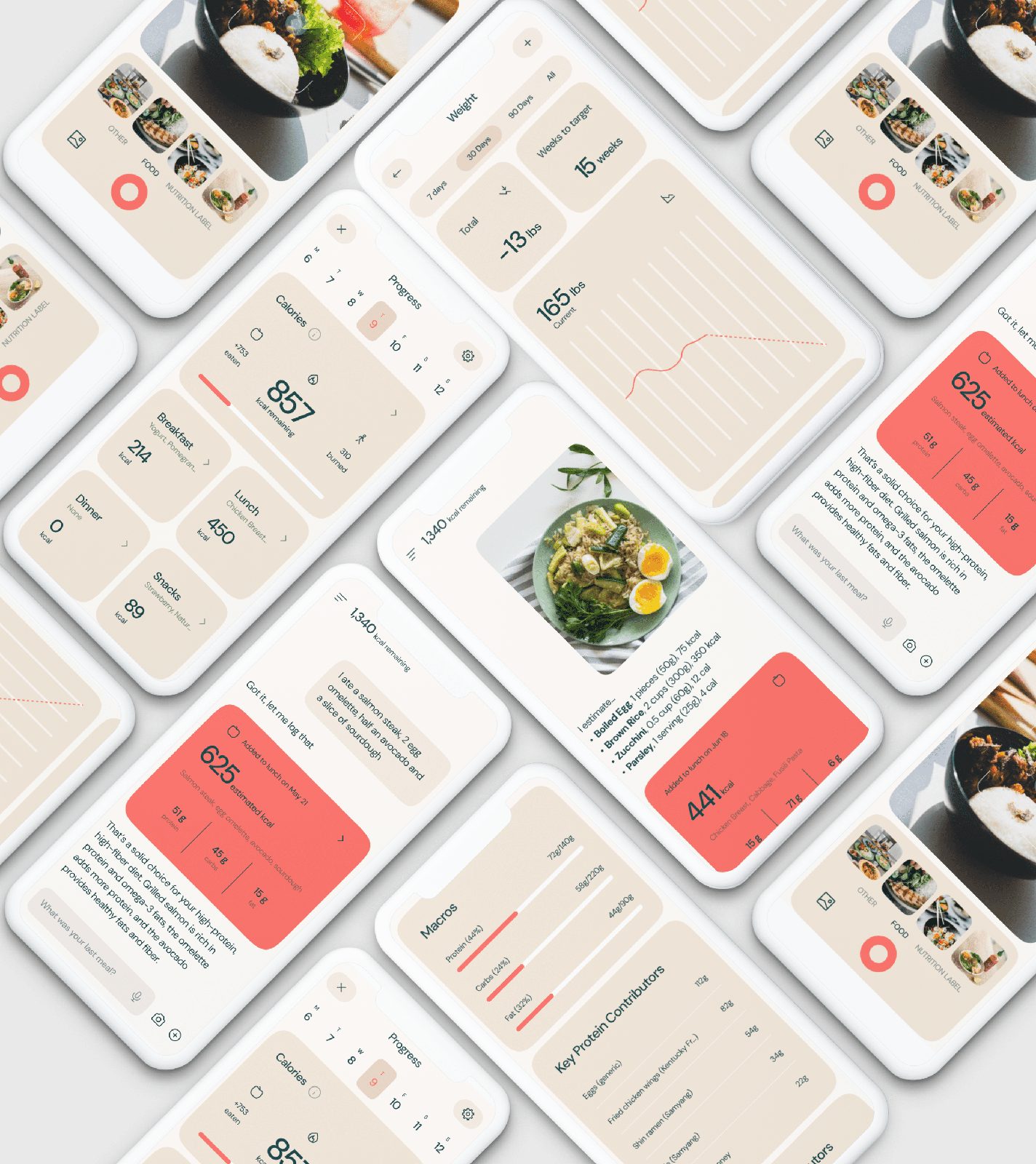
If traditional macro tracking feels overwhelming, AI-assisted logging may help reduce friction.
Welling combines conversational input and photo-based food recognition to simplify macro tracking for beginners.
Frequently Asked Questions (FAQs)
What is the best app to track macros for beginners?
The best app to track macros for beginners is one that makes logging simple and consistent. Apps that reduce manual database searching through automation or AI assistance often improve adherence and reduce beginner overwhelm.
Do I need to track calories if I track macros?
Tracking macros already includes calorie tracking because protein, carbohydrates, and fats each contain calories. When macros are logged accurately, total calorie intake is automatically calculated.
Is macro tracking better than calorie tracking?
Macro tracking offers more nutritional precision than calorie tracking alone. While calorie tracking focuses on total energy intake, macro tracking helps optimize nutrient balance for muscle retention, performance, and satiety.
Are macro tracking apps accurate?
Macro tracking apps can be accurate when food database entries are reliable and portion sizes are measured correctly. Errors usually come from portion misestimation rather than calculation formulas.
What are Diet AI and modern diet apps?
Modern diet apps, sometimes referred to as Diet AI or AI-powered diet apps, use machine learning, photo recognition, and conversational input to simplify macro and calorie tracking. These tools aim to reduce logging friction and improve daily consistency.
Can AI improve macro tracking accuracy?
AI can improve consistency by reducing manual search errors and simplifying food entry. While portion measurement still matters, automation lowers cumulative tracking mistakes over time.
References
[USDA – FoodData Central](https://USDA – FoodData Central)
FAO – Food Energy Conversion Factors
PubMed – Self-Monitoring and Weight Loss
American Journal of Clinical Nutrition – Long-Term Weight Loss Maintenance
Welling is an AI weight loss coach that simplifies nutrition tracking and provides daily accountability and insights. Rated 4.8 in the App Store by thousands of users.