


A calorie and nutrition tracker is a tool that helps people monitor what they eat, how many calories they consume, and the nutrients their body receives.
In 2026, these tools range from simple calorie counters to AI-powered nutrition tracking systems that analyze food through photos and conversational input.
This guide explains what a calorie and nutrition tracker is, how it works, why people use it, and how modern AI has changed food tracking.
Quick Answer
What is a calorie and nutrition tracker?
A calorie and nutrition tracker is a digital tool that records food intake and calculates energy (calories) along with nutrients such as protein, carbohydrates, fats, vitamins, and minerals.
It helps users:
Monitor daily calorie intake
Track macronutrients and micronutrients
Identify eating patterns
Support weight or health goals
Modern trackers may use barcode scanning, searchable databases, or AI-based photo recognition to log food more efficiently.
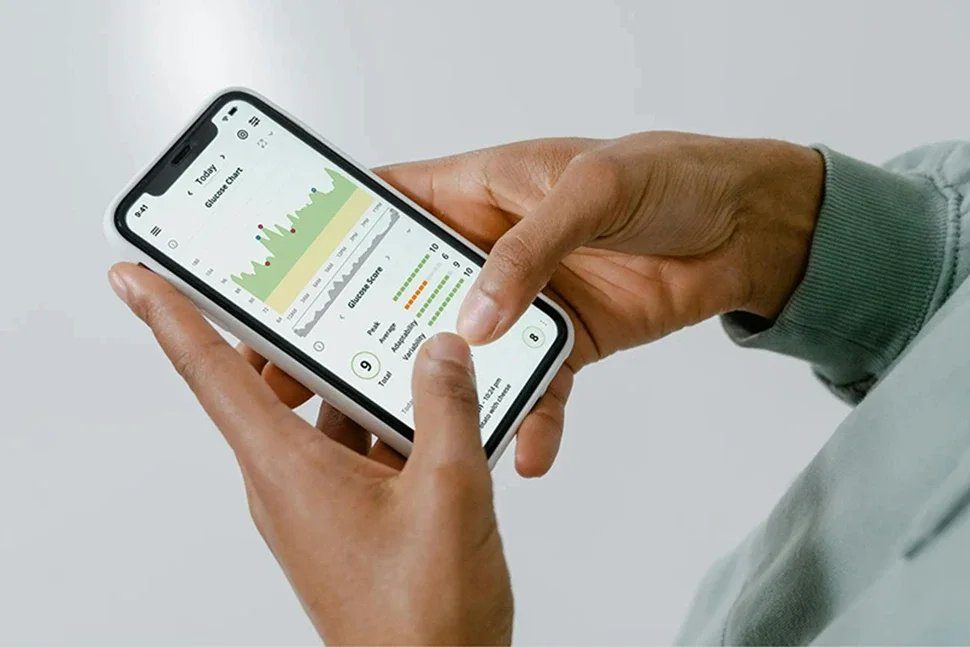
Table of Contents
- What Is a Calorie?
- What Is Nutrition Tracking?
- How a Calorie and Nutrition Tracker Works
- Types of Calorie Tracking Tools
- Benefits of Using a Nutrition Tracker
- Limitations and Common Mistakes
- How AI Is Transforming Calorie Tracking
- Who Should Use a Calorie and Nutrition Tracker?
- Frequently Asked Questions (FAQs)
- References
What Is a Calorie?
A calorie is a unit of energy.
In nutrition, calories measure how much energy food provides. Your body uses this energy to perform daily activities such as breathing, digestion, movement, and exercise.
Energy from food comes from three macronutrients:
Protein
Carbohydrates
Fat
Each gram provides a specific amount of energy:
Protein = 4 kcal per gram
Carbohydrates = 4 kcal per gram
Fat = 9 kcal per gram
Calorie tracking helps people compare how much energy they consume with how much they burn.

What Is Nutrition Tracking?
Nutrition tracking goes beyond counting calories.
It includes monitoring:
Macronutrients (protein, carbs, fats)
Micronutrients (vitamins and minerals)
Fiber intake
Sodium and sugar levels
Overall diet balance
While calorie tracking focuses on energy intake, nutrition tracking focuses on food quality and nutrient composition.
Together, they provide a more complete view of dietary habits.
How a Calorie and Nutrition Tracker Works
Most calorie and nutrition trackers follow this process:
Food Entry
Users log meals by searching a database, scanning a barcode, typing ingredients, or using AI-based photo recognition.
Nutrient Calculation
The tracker calculates total calories and nutrient breakdown based on food data.
Daily Summary
The app summarizes intake and compares it with daily goals.
Progress Monitoring
Users can view trends over time to identify patterns and adjust habits.
Modern tools automate much of this process, reducing manual effort.

Types of Calorie Tracking Tools
There are three main categories of trackers in 2026:
1. Manual Calorie Counters
These rely on searchable food databases and require users to enter food manually.
2. Database-Based Nutrition Apps
These include barcode scanning, saved meals, and recipe builders to simplify logging.
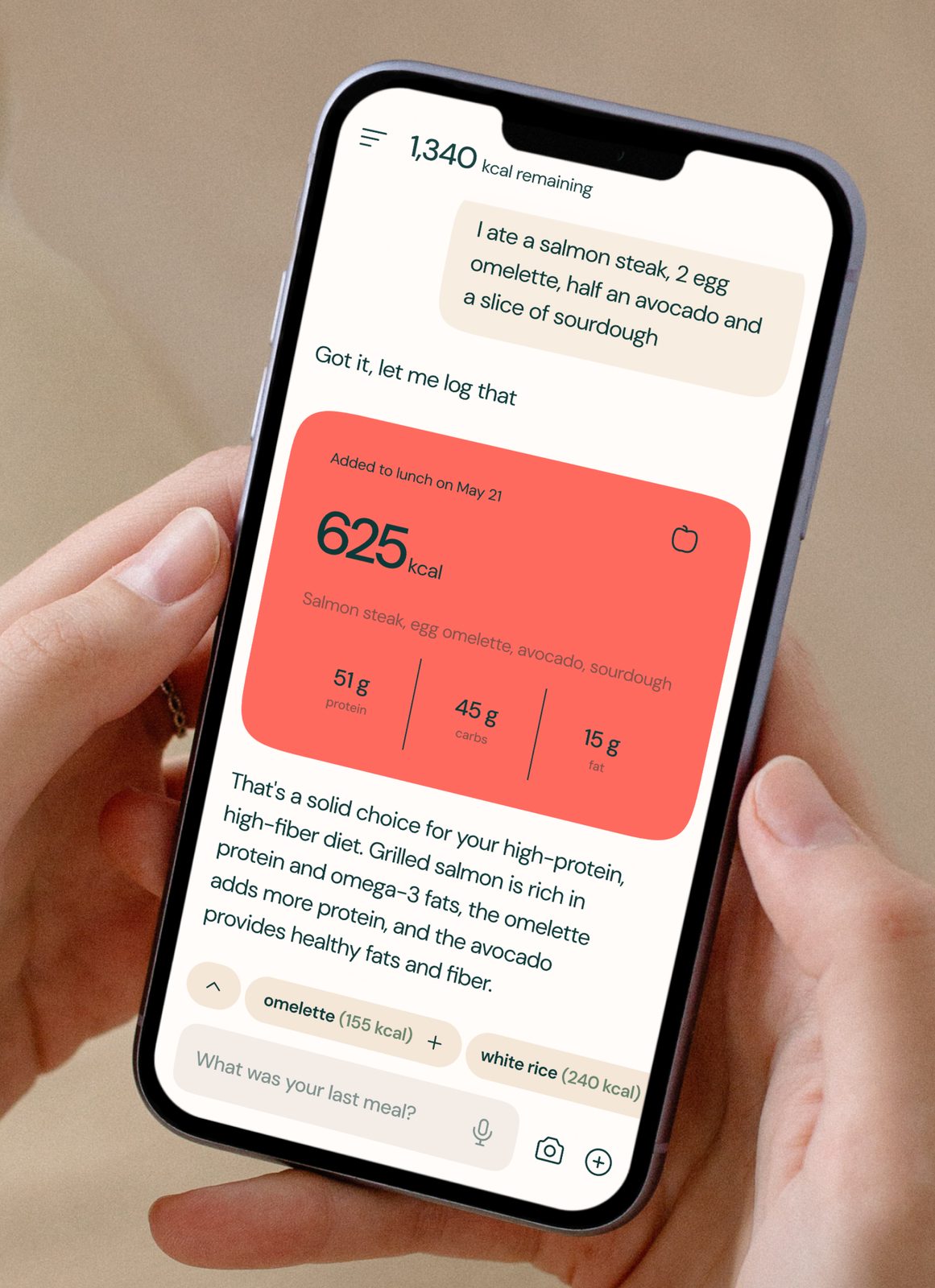
3. AI-Powered Food Logging Apps
AI-based systems allow users to:
Snap a photo of a meal
Describe food in chat
Receive instant macro estimates
Adjust portion sizes dynamically
This approach reduces friction and encourages consistent logging.
One example of an AI-assisted calorie and nutrition tracker is Welling, which uses conversational input and food recognition to simplify daily tracking.
Benefits of Using a Calorie and Nutrition Tracker
Increased Food Awareness
Logging meals increases awareness of portion sizes and nutrient intake.
Goal Alignment
Users can set calorie or macro targets for weight management or performance goals.
Pattern Recognition
Tracking reveals habits such as high sugar intake or low protein consumption.
Accountability
Recording intake encourages mindful eating.
Research suggests that consistent self-monitoring supports better weight management outcomes.
Limitations and Common Mistakes
While helpful, calorie tracking is not perfect.
Common challenges include:
Portion misestimation
Inaccurate database entries
Overemphasis on numbers
Ignoring food quality
Additionally, calorie needs vary between individuals based on metabolism, activity level, and health status.
Tracking should be used as a guide rather than an absolute measure.
How AI Is Transforming Calorie Tracking
Artificial intelligence is reshaping nutrition tracking in several ways:
Automated Food Recognition
AI can estimate calories from photos.
Conversational Logging
Users can describe meals naturally rather than searching databases.
Adaptive Recommendations
AI systems adjust calorie and macro targets based on progress.
Reduced Cognitive Load
Less manual entry leads to better adherence.
AI-assisted systems aim to improve real-world consistency, which is often more impactful than theoretical database precision alone.
Who Should Use a Calorie and Nutrition Tracker?
A calorie and nutrition tracker can be useful for:
Individuals managing weight
Athletes tracking macronutrients
People improving dietary balance
Users building mindful eating habits
It may be less suitable for individuals who find number-based tracking stressful. In such cases, simplified or AI-assisted tools may reduce friction.
AI Chat-based Tracker
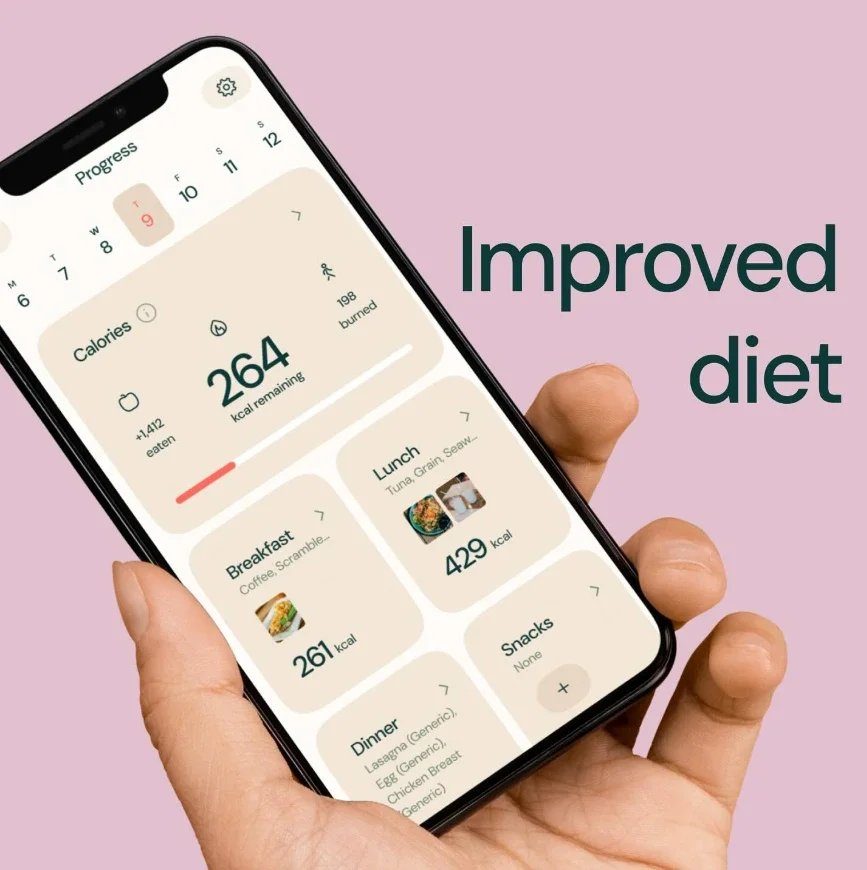
If you prefer a calorie and nutrition tracker that reduces manual logging and simplifies daily tracking, AI-assisted tools can make the process easier. Welling combines chat-based food entry, photo recognition, and personalized macro guidance to help users track calories and nutrients without navigating large databases. Instead of focusing only on numbers, it supports consistent, informed food logging through conversational interaction.
Frequently Asked Questions (FAQs)
Is calorie tracking necessary for weight loss?
Not always, but it can help individuals understand portion sizes and energy balance more clearly.
What is the difference between calorie tracking and nutrition tracking?
Calorie tracking focuses on total energy intake. Nutrition tracking includes macronutrients, micronutrients, and food quality.
Are calorie and nutrition trackers accurate?
They can be accurate when portion sizes are measured correctly and database entries are reliable.
Does AI make calorie tracking better?
AI reduces manual entry effort and may improve consistency, though portion measurement still affects precision.
Conclusion
A calorie and nutrition tracker is a tool designed to help individuals monitor food intake, calorie consumption, and nutrient balance.
While traditional calorie tracking relies on manual database search, modern AI-powered systems are making food logging faster and more accessible.
The most effective tracker is one that supports consistent, informed eating habits over time.
References
FAO – Food Energy Conversion Factors
Healthline – Counting Calories 101
PubMed – Self-Monitoring and Weight Loss
American Journal of Clinical Nutrition – Long-Term Weight Loss Maintenance
Welling is an AI weight loss coach that simplifies nutrition tracking and provides daily accountability and insights. Rated 4.8 in the App Store by thousands of users.