

If you’ve spent any time on health-focused social media lately, you’ve probably seen the word fibermaxxing pop up everywhere. People are tracking their fiber intake like they track protein, building entire meals around high-fiber foods, and claiming it’s changed how they feel, how they eat, and how easily they lose weight. But is this actually a legitimate nutrition approach or just another trend that will fade by next month?
Fibermaxxing is worth paying attention to because unlike most diet trends, it’s not asking you to restrict anything. No cutting carbs, no eliminating food groups, no counting calories. Just adding more of something your body genuinely needs and almost certainly isn’t getting enough of.
So what exactly is fibermaxxing?
Fibermaxxing is exactly what it sounds like. It’s the practice of intentionally maximizing your daily fiber intake by making high-fiber foods the foundation of every meal. While most people get around 10-15 grams of fiber per day, the recommended amount is 25-38 grams. Fibermaxxers treat hitting that target as seriously as gym-goers treat hitting their protein goals.
The trend started on TikTok where people began sharing dramatic improvements in digestion, energy, hunger levels, and weight loss simply from eating more fiber. Unlike most viral health trends, this one actually has decades of solid research behind it. The trend didn’t create the science. The science was always there. Social media just finally made it accessible.
Why fiber does so much more than you think
Most people associate fiber with one thing: bathroom regularity. But fiber’s impact on your body goes far deeper than digestion. Understanding what fiber actually does explains why fibermaxxers are seeing results beyond just a healthier gut.
Fiber controls hunger better than almost anything else. Soluble fiber absorbs water and forms a gel-like substance in your digestive tract that slows everything down. Food stays in your stomach longer, which means you feel full for hours instead of getting hungry 90 minutes after eating. This is why high-fiber meals can reduce total daily calorie intake without any conscious restriction.
It feeds your gut bacteria. Your gut contains trillions of bacteria that influence everything from immunity to mental health to weight management. These bacteria need fiber to survive and thrive. When you don’t eat enough fiber, beneficial gut bacteria literally starve and get replaced by less helpful ones. More fiber means a healthier, more diverse gut microbiome, which research now links to better mood, lower inflammation, and easier weight management.
It stabilizes blood sugar. Fiber slows the absorption of sugar into your bloodstream, preventing the spikes and crashes that lead to cravings, energy crashes, and fat storage. This is particularly important for people struggling with insulin resistance or afternoon energy slumps.
Long-term health protection. High fiber intake is consistently linked to lower rates of heart disease, type 2 diabetes, colorectal cancer, and overall mortality. People who eat the most fiber tend to live longer and healthier lives. Few nutrition interventions have this level of research backing.
The best high-fiber foods to start with
The beauty of fibermaxxing is that high-fiber foods are affordable, delicious, and widely available, especially in Asian food culture where beans, vegetables, and whole grains are already central to traditional eating.
Legumes are the fiber kings. Lentils, black beans, kidney beans, and chickpeas provide 10-16 grams of fiber per cup cooked. Adding a serving of beans or lentils to any meal dramatically boosts fiber without much effort. Dal curry, bean soups, and mixed grain rice bowls are all excellent vehicles.
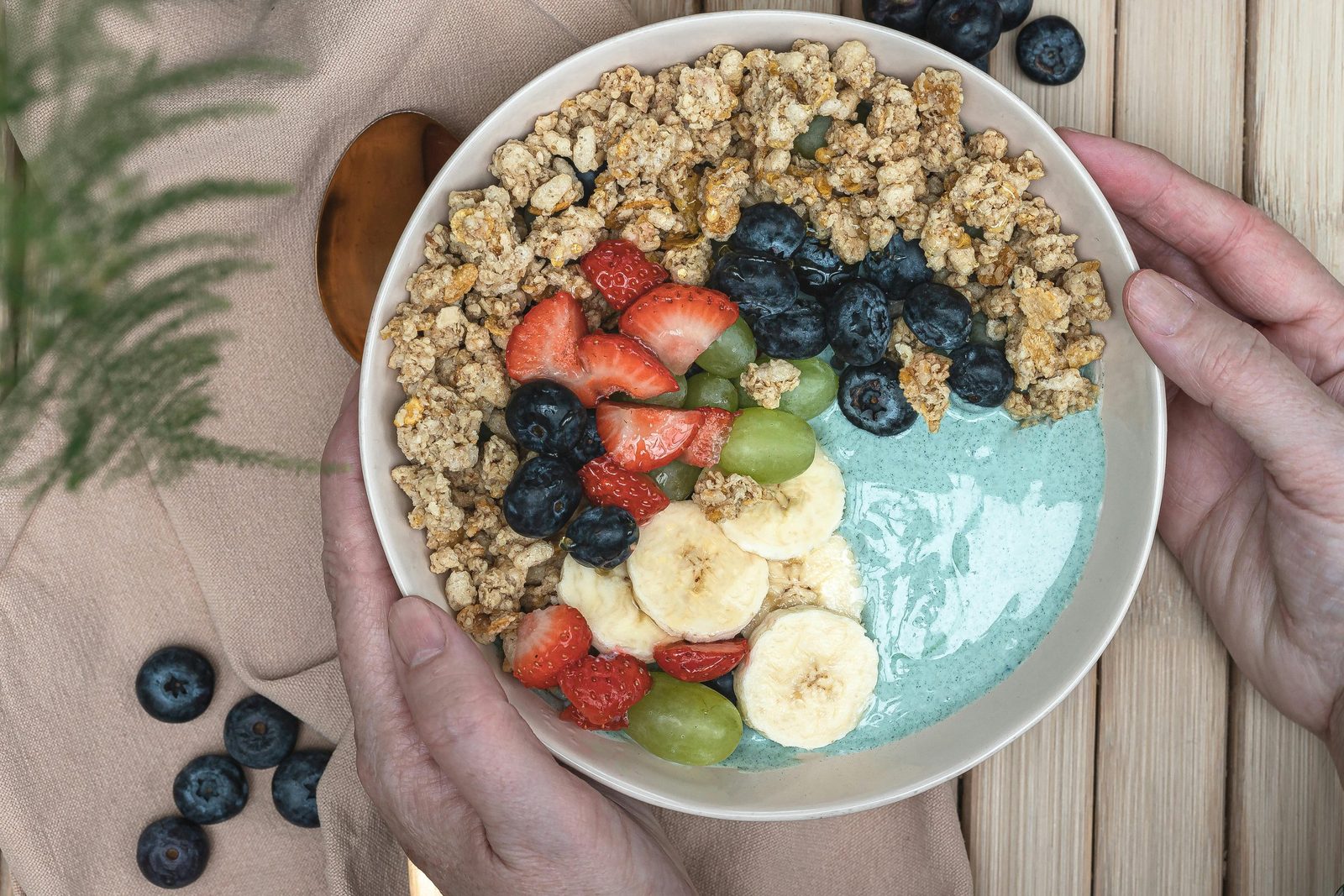
Seeds pack a surprising punch. Chia seeds provide 10 grams of fiber per 2 tablespoons. Flaxseeds, pumpkin seeds, and sunflower seeds all contribute significant fiber in small portions. Adding a tablespoon of chia seeds to your morning drink or yogurt is one of the easiest fiber upgrades you can make.
Vegetables you’re probably already eating. Broccoli, carrots, sweet potatoes, spinach, and most Asian greens like kai lan, bok choy, and long beans provide fiber alongside vitamins and minerals. The difference is eating larger portions and including them at every meal rather than occasionally.
Whole grains over refined. Brown rice, oats, barley, and whole grain bread provide significantly more fiber than their refined counterparts. Even small swaps like choosing oats over white bread for breakfast or adding barley to soup adds meaningful fiber throughout the day.
Fruits with the skin on. Apples, pears, guavas, and most berries are high in fiber, especially when eaten with the skin. Fruits commonly found in Southeast Asia like papaya, jackfruit, and rambutan also provide fiber alongside natural sweetness.
How to actually start Fibermaxxing
The most important rule when increasing fiber intake is to go slowly and drink more water. Dramatically increasing fiber overnight causes bloating, gas, and discomfort because your gut bacteria need time to adapt. Increase fiber gradually over 2-3 weeks while also increasing water intake.
Start with one meal. Pick breakfast as your first fibermaxxing experiment. Overnight oats with chia seeds and fruit can deliver 15 grams of fiber before you leave the house. Once breakfast becomes automatic, improve lunch and dinner.
Add rather than replace. You don’t need to completely change what you eat. Just add fiber-rich foods alongside your current meals. Throw edamame into your fried rice. Add beans to your soup. Sprinkle seeds on your yogurt. These small additions compound quickly.
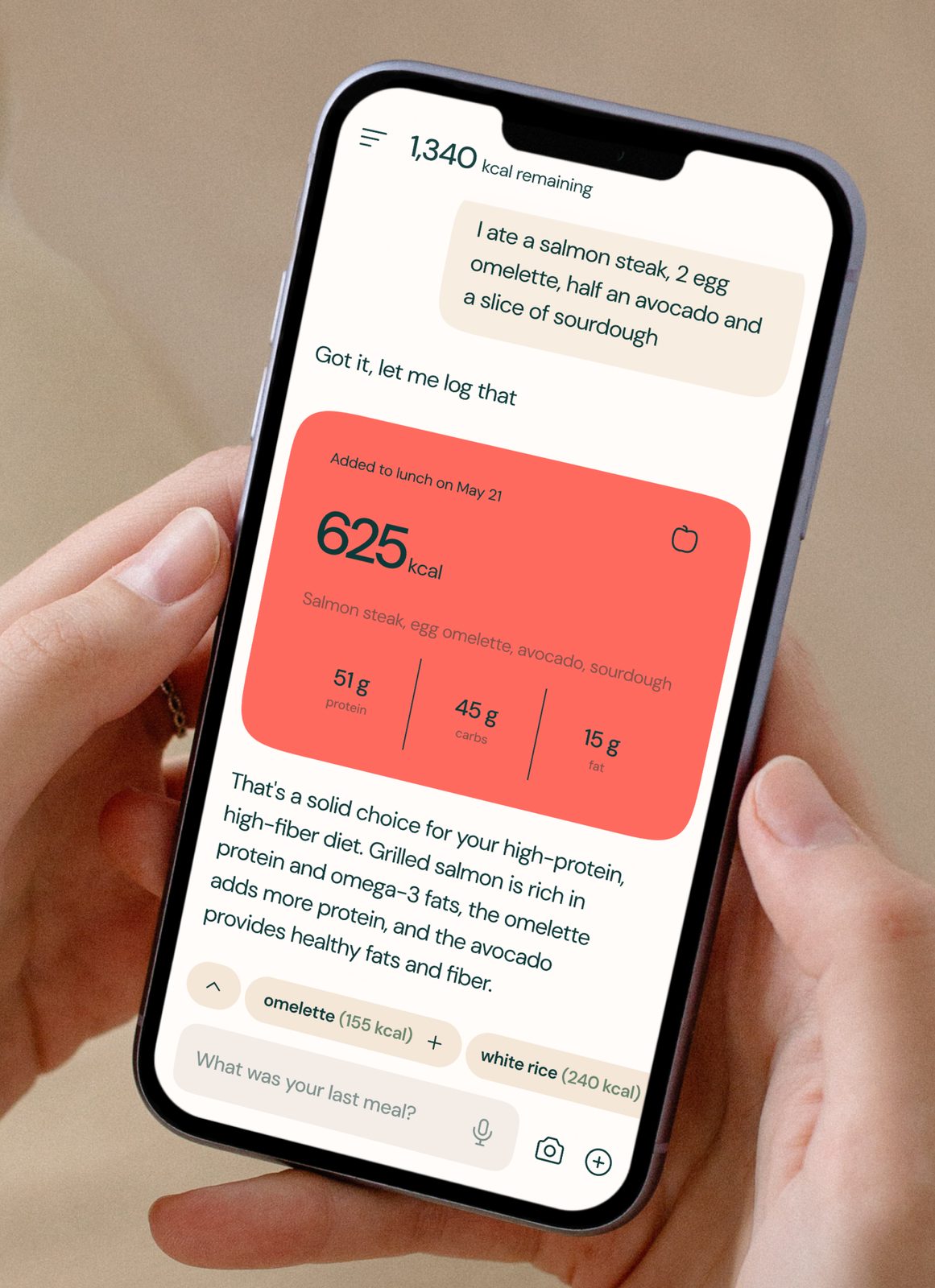
Track your fiber intake. Most people are shocked to discover how little fiber they actually eat until they start tracking. Use Welling to log your meals and see exactly how much fiber you’re getting. Ask Welling to include high fiber foods into your diet and ask it to analyze where you have the most room to improve, making fibermaxxing a practical daily habit rather than a guessing game.
What to expect when you start
The first week might feel uncomfortable. As your gut bacteria adjust to increased fiber, some bloating and gas is normal. This is actually a sign that your gut microbiome is changing and adapting. It passes within a week or two for most people.
After 2-3 weeks, most people report noticeably less hunger between meals. The constant need to snack often decreases significantly when fiber intake is high because meals keep you satisfied for much longer.
Around the one-month mark, many fibermaxxers report more stable energy throughout the day, better digestion, and in many cases, natural reduction in calorie intake simply because they’re not as hungry. Weight loss, when it happens, tends to be gradual and sustainable rather than dramatic.
Is it worth trying?
Trying to transform your entire cart overnight is overwhelming and expensive. Instead, upgrade one category per month. February, focus on better bread and grains. March, improve your protein choices. April, upgrade condiments and sauces.
This approach is financially manageable and mentally sustainable. You’re not throwing out your entire pantry or breaking the budget. You’re gradually building better habits that stick because they don’t require extreme effort or sacrifice.
Welling is an AI weight loss coach that simplifies nutrition tracking and provides daily accountability and insights. Rated 4.8 in the App Store by thousands of users.