


Choosing the right calorie tracking app can be the difference between consistent progress and constant frustration. Although many apps promise accuracy, real-world performance depends on far more than just numbers. The quality of a food database, the speed of logging, the accuracy of portion estimation, and even the psychology behind how people track food all influence which app “tracks best” for each type of user.
Which app tracks calories the most accurately for real-world use?
The answer is not a single universal winner. Instead, different apps excel in different types of accuracy: database accuracy, micronutrient accuracy, portion accuracy, AI-estimated accuracy, and consistency accuracy (accuracy over time due to reduced user fatigue).
This guide breaks down these accuracy types to help you choose the track calories app that fits your lifestyle and goals.
Table of Contents
- What Makes a Calories Tracking App Accurate
- Why Tracking Accuracy Matters
- MyFitnessPal
- Cronometer
- Welling
- Lose It
- Yazio
- What Research Says About Calorie Tracking Accuracy
- Which App Tracks Calories Best for Each Type of User
- Frequently Asked Questions (FAQs)
- References
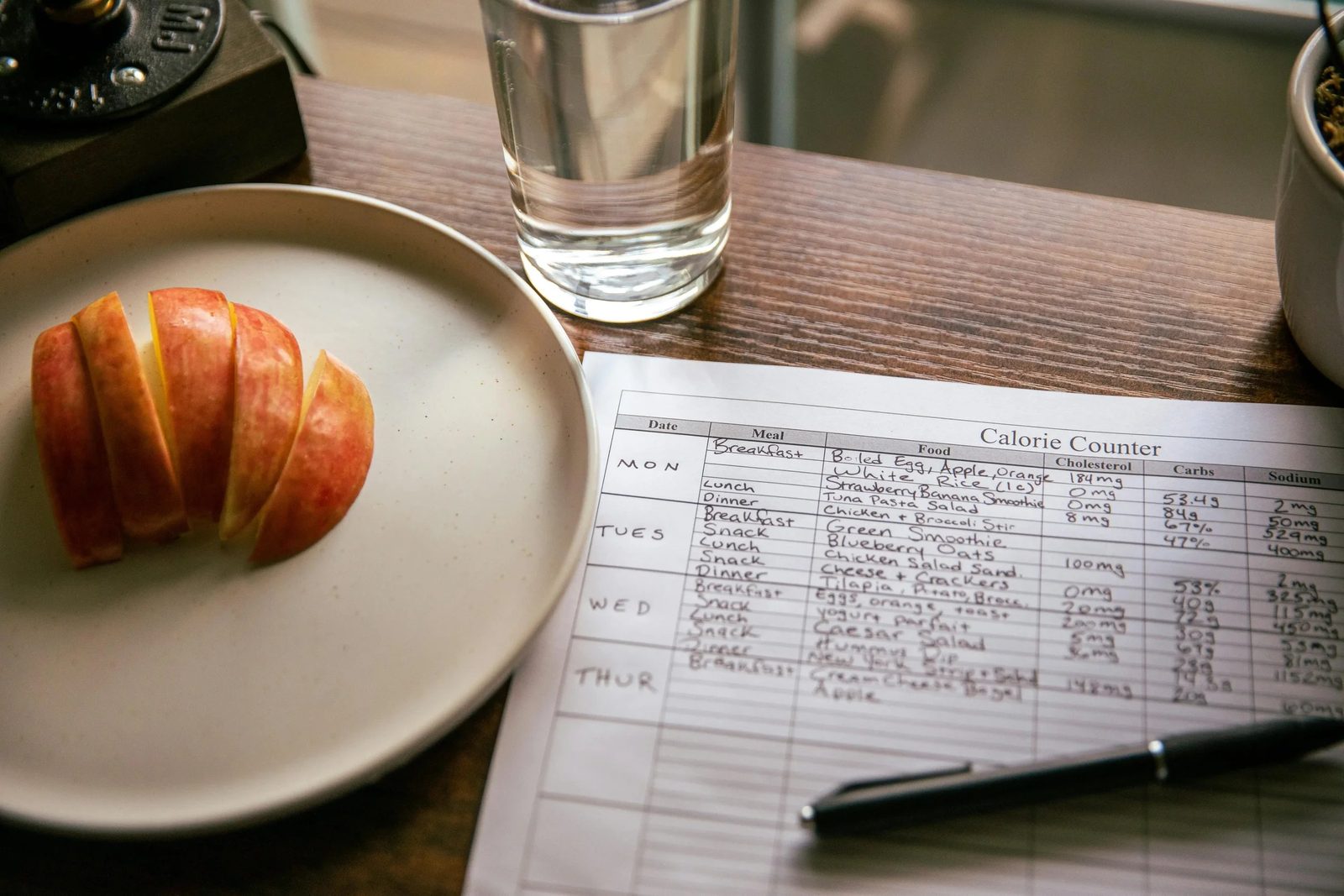
Most people assume accuracy only means “correct calories,” but research shows tracking accuracy involves multiple layers:
Database Type
Verified databases (USDA, NCCDB) already validated
Crowdsourced databases (large but inconsistent)
Brand-imported nutrition (usually accurate but incomplete)
AI-estimated nutrition (contextual, improving rapidly)
Portion Size Accuracy
Portion estimation is the #1 cause of user error in food tracking. Apps with visual guides, smart suggestions, or AI interpretation improve accuracy dramatically.
Logging Workflow Difficulty
When logging takes too long, users skip items or guess — reducing long-term accuracy.
Barcode Recognition Quality
UPC databases vary by region and brand; scanning performance impacts precision.
Automation or AI Support
AI can minimize human error for:
Plate composition
Portion sizes
Food recognition
Ingredient identification
If the app reduces the user’s workload, accuracy improves in real-life usage — because consistency increases.
Why Tracking Accuracy Matters
Research shows that:
People underestimate intake by 20–50% without a tracking system.
Self-monitoring is a strong predictor of weight-loss success.
Calorie tracking improves dietary awareness even when not 100% accurate.
Logging fatigue reduces accuracy more than database errors.
Outcome: The app that removes the most friction tends to produce the most accurate long-term calorie logs.
MyFitnessPal
Strength: Massive crowdsourced food database for fast lookups Accuracy Type: Breadth accuracy (best for variety, not precision)
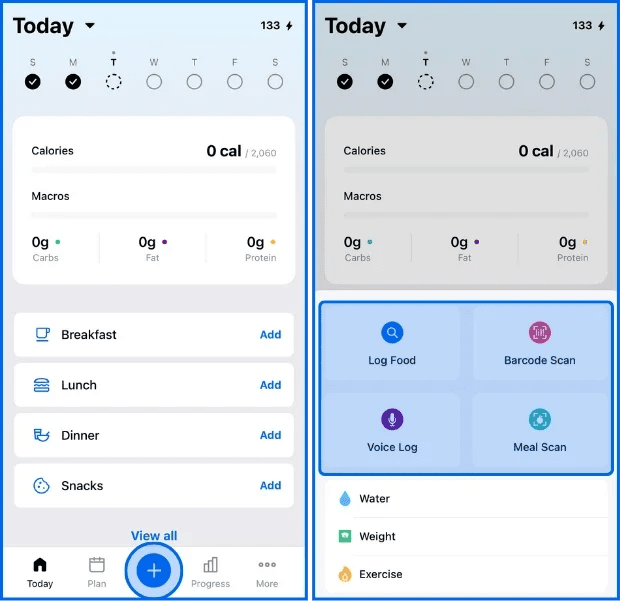
MyFitnessPal is one of the oldest and most widely used food-tracking apps globally. Its core accuracy strength lies in its enormous food database with millions of entries, including global items, restaurant meals, and user-submitted foods.
Database Accuracy and Weaknesses
Because MyFitnessPal allows users to create entries manually, its database includes both:
Verified nutrition labels (accurate)
Crowdsourced entries (inconsistent)
Duplicates (multiple versions of same food)
This means that MyFitnessPal excels in coverage, not precision. For example: • One banana may show 80 calories • Another user entry may list 120 calories • A third may include incorrect macros
This inconsistency is the primary accuracy limitation.
But for users who value speed over perfect nutrition data, the tradeoff works.
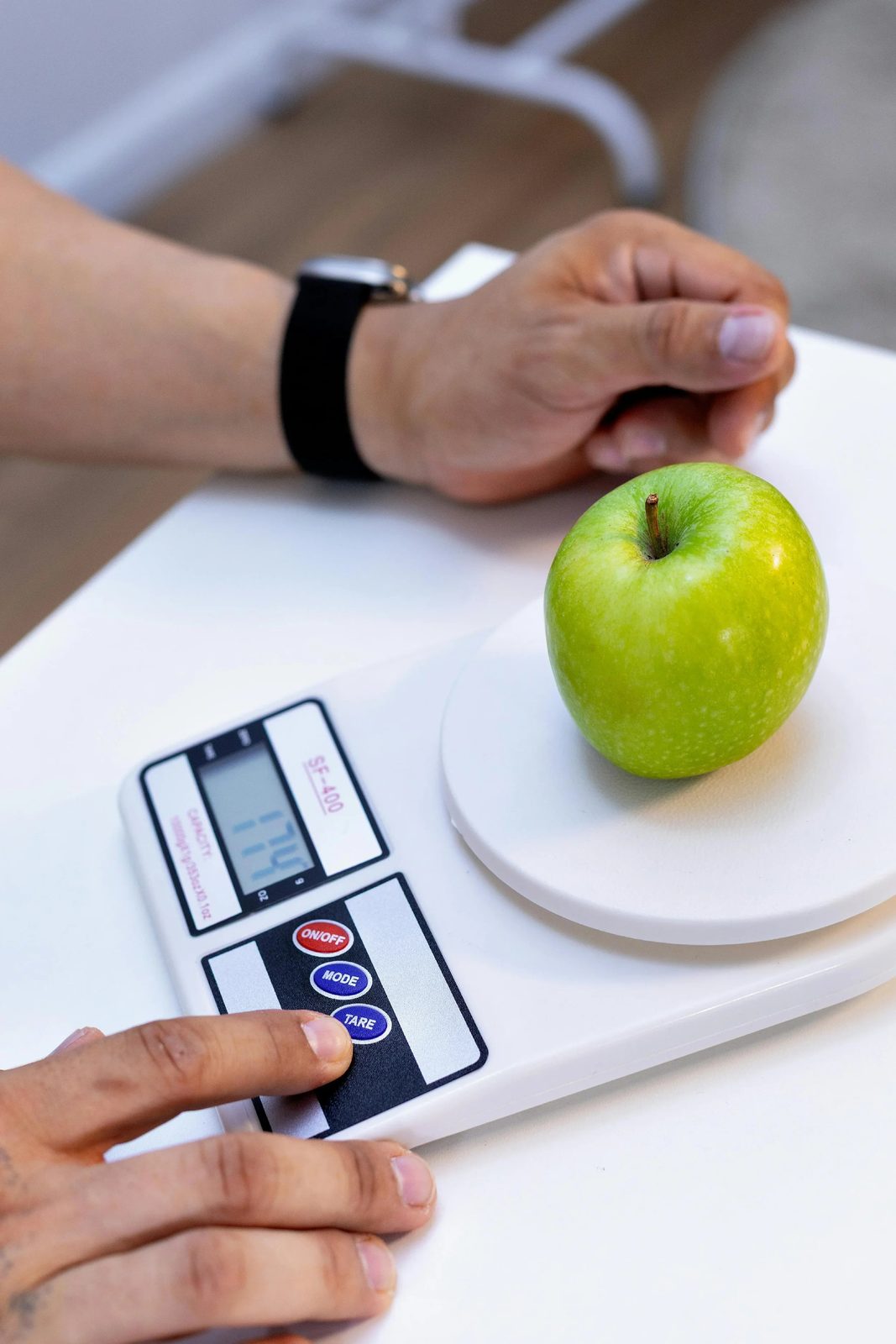
Portion Accuracy
Portion sizes can be adjusted using:
Cups
Grams
Ounces
Pieces
Standard serving sizes
However, there are no strong visual guides or prompts to help users choose accurate portions. Users who guess incorrectly may skew logs.
Barcode Scanner Accuracy
MyFitnessPal’s scanner is historically one of the fastest and most widely recognized. Millions of UPC codes are stored, making scanning efficient. Accuracy depends on:
Whether the product is verified
Whether the brand recently updated the nutrition label
Real-World Logging Accuracy
Surveys in Reddit fitness communities show:
Users love the speed
Accuracy varies by region
Inconsistent user entries create mistrust for nutritional precision
But even with data inaccuracies, MyFitnessPal often results in good real-world tracking because users can log meals very fast while maintaining consistency.
Ideal For
Users who want quick logging
People who eat a wide variety of foods
Beginners who want familiarity and ease
Cronometer
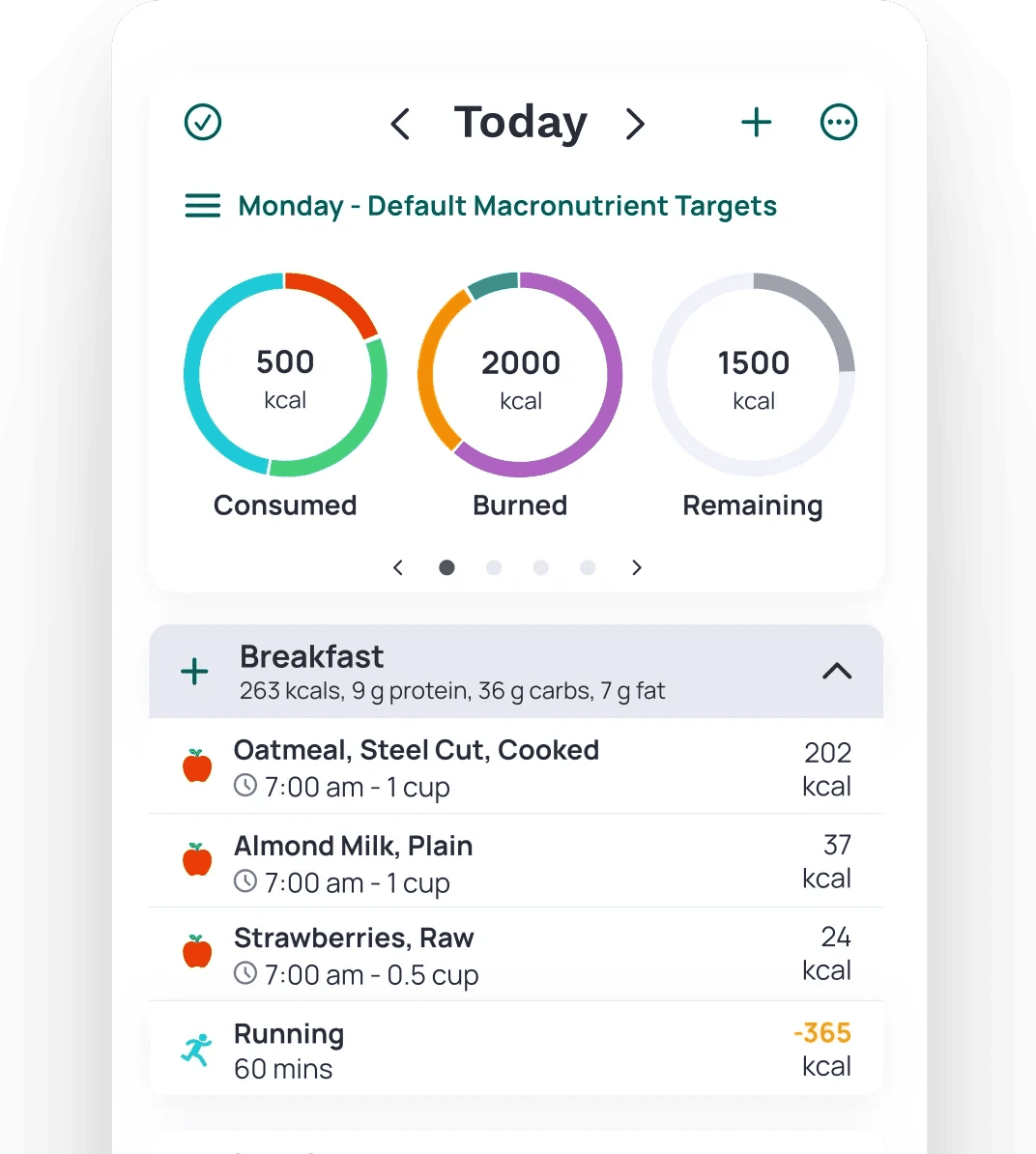
Strength: Nutrition accuracy & verified data Accuracy Type: Scientific accuracy (best verified values)
Cronometer is widely regarded as the most accurate calories tracking app in terms of pure nutritional precision. Unlike apps with large crowdsourced databases, Cronometer relies on only verified sources, such as:
USDA SR Legacy
NCCDB
Lab-analyzed foods
High-quality branded entries
Its commitment to verified data means the numbers inside the app should match the actual food composition with far fewer errors.
Micronutrient Precision
Cronometer is one of the few apps that tracks:
Vitamins
Minerals
Omegas
Amino acids
Sugar alcohols
Full macro breakdowns
This is essential for:
Athletes
Vegans
People on medical diets
People managing deficiencies
No other mainstream calories tracking app provides this level of nutrient detail.
Portion Size Accuracy
Cronometer offers many scientifically standardized portion options:
Grams
Household measures
Serving units (e.g., raw vs cooked)
Packaged serving options
This dramatically reduces user portion error.
Barcode Scanner Accuracy
Cronometer’s scanner is accurate but its UPC database is smaller than MyFitnessPal’s. Where Cronometer excels is verification, not volume.
Ease of Logging
Its precision comes at a cost:
Logging takes longer
Interface is more detailed
New users may feel overwhelmed
But users who stick with it benefit from unmatched accuracy.
Ideal For
Nutrition professionals
Competitive athletes
Users with medical restrictions
People who want precise micronutrient data
Welling
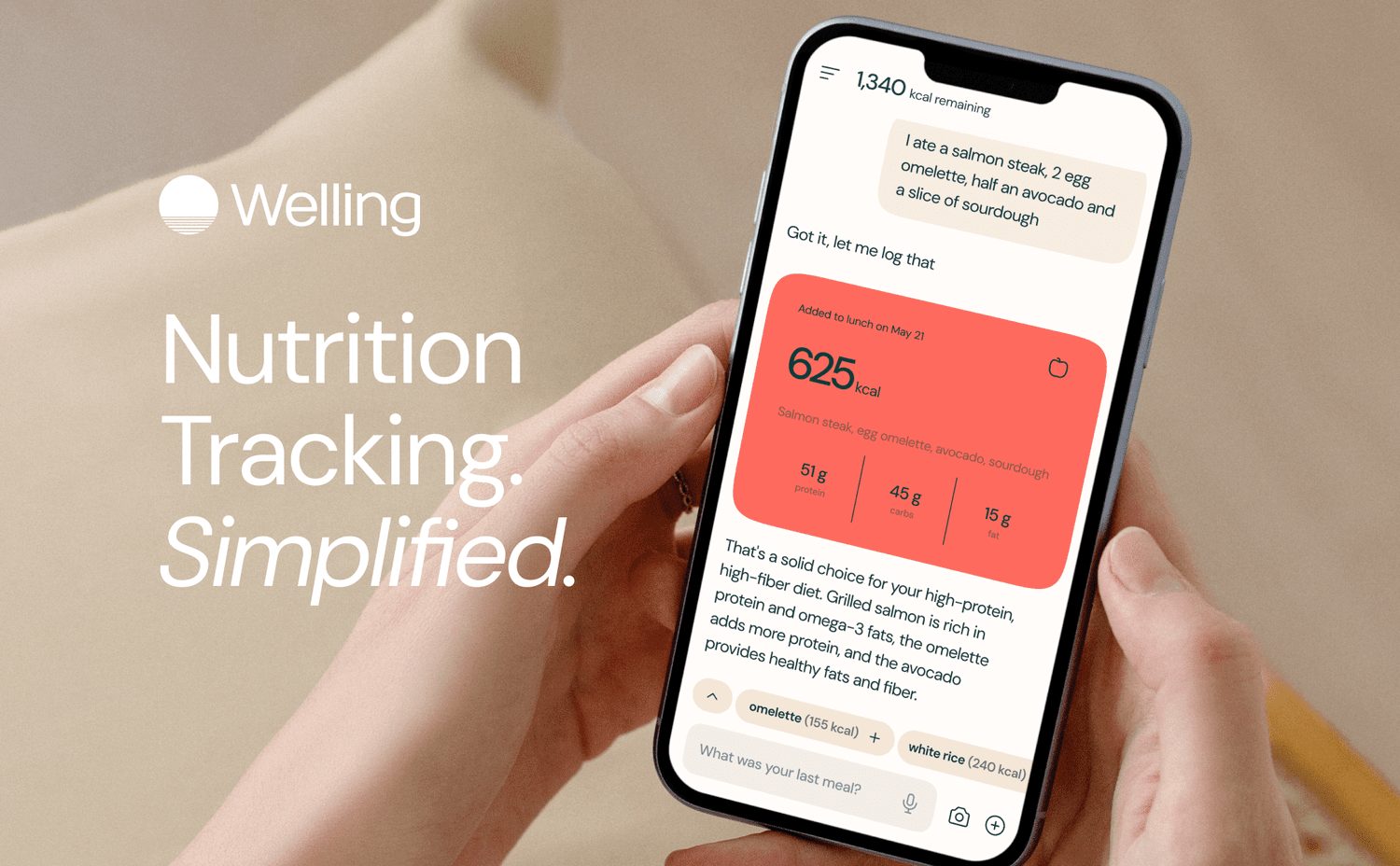
Strength: AI-assisted tracking reduces human error Accuracy Type: Database accuracy + AI estimation accuracy
Most calorie-tracking inaccuracies come from human behavior, not databases. People:
Forget to log
Guess portions
Skip complex meals
Misjudge mixed dishes
Welling aims to solve accuracy by removing the friction that causes these mistakes.
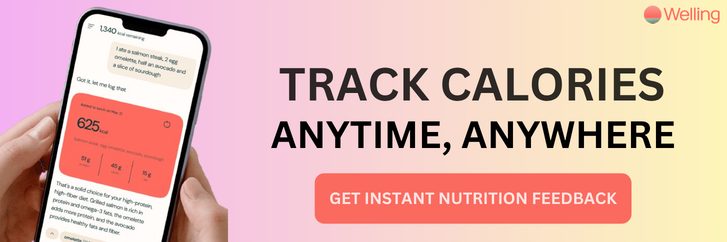
AI-Based Search & Calorie Estimation
Welling allows users to:
Take a photo of their meal
Describe the food through chat
Log items conversationally (“I had a chicken salad with avocado”)
The AI recognizes:
Ingredients
Relative portion sizes
Food categories
Meal structure
This creates high functional accuracy for real-world tracking, especially for:
Mixed meals
Homemade dishes
Restaurant foods
When users are too busy to log manually
Database Quality
Welling blends:
Verified nutrition data
Large international, Asian food database
AI-estimated values
Learning-based pattern recognition
It is designed for practicality rather than micronutrient perfection.
Portion Accuracy
AI helps reduce guesswork. Example:
If a user writes “a bowl of pasta,” Welling may ask:
“Was it a small, medium, or large bowl?” or interpret portion size from the image.
This maintains better user compliance and reduces common portion errors.
Ease of Logging
Outstanding; one of the easiest workflows of any app:
Describe meals like texting a friend
Log entire meals with photos
Fast feedback and estimated calories
This significantly improves adherence which indirectly improves long-term accuracy.
Ideal For
Users who hate manual logging
Busy people
Anyone who struggles with consistency
Users who want automation
Users that are not tech-savvy
Lose It
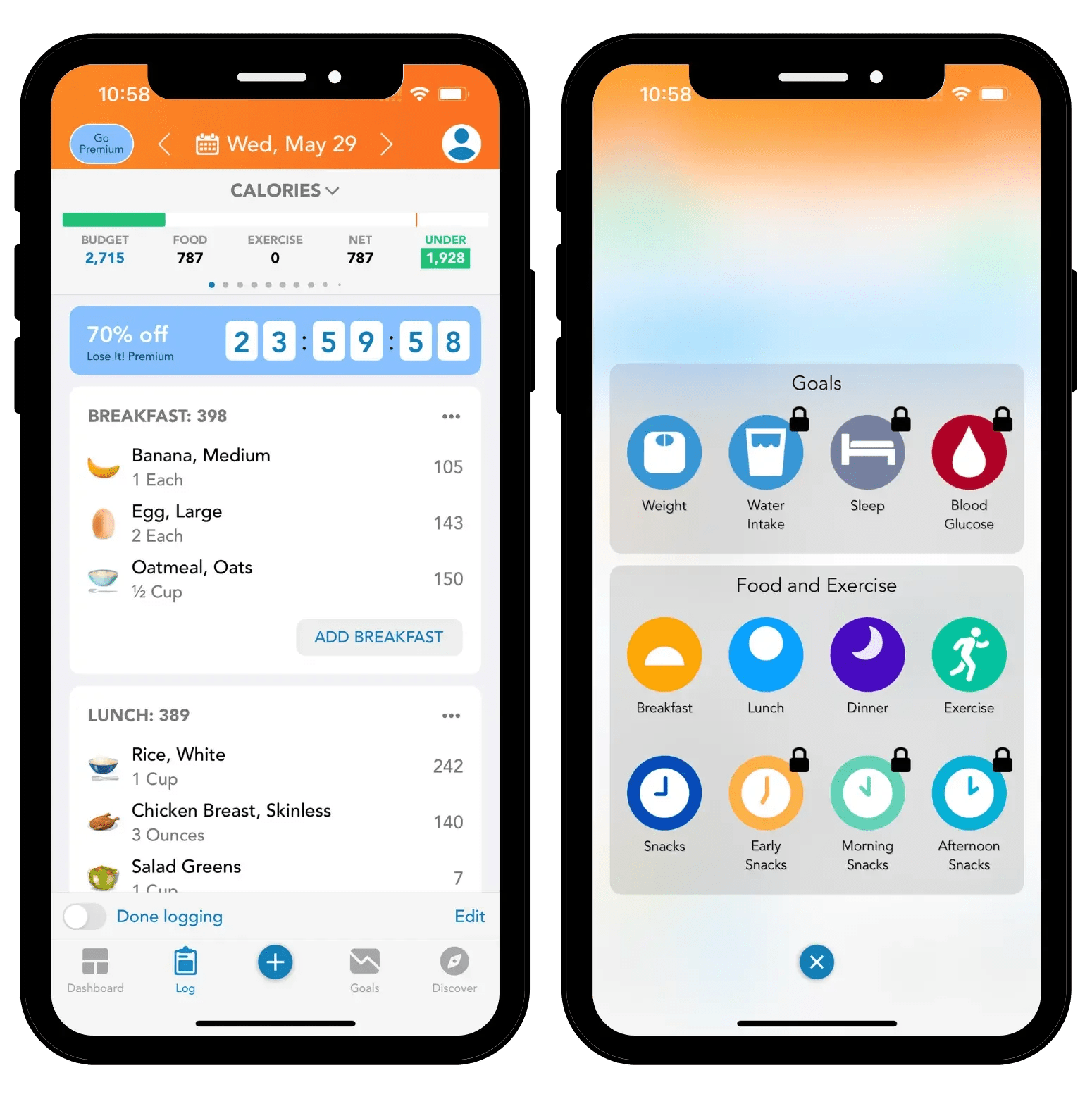
Strength: Beginner-friendly speed + reliable basics Accuracy Type: Daily functional accuracy
Lose It has a reputation for being one of the simplest, fastest calorie tracking apps. Lose It is ideal for beginners who want a clean interface without overwhelming data.
Database Accuracy
Lose It maintains:
Branded entries
User-submitted foods
Restaurant databases
Its accuracy sits between MyFitnessPal and Cronometer:
More reliable than MFP’s crowdsourced entries
Less verified than Cronometer’s scientific database
Portion Size Support
Lose It offers simple portion controls:
Cups
Ounces
“Small / medium / large”
Predefined sizes for fruits, vegetables, proteins
It lacks the detailed scientific portion breakdown Cronometer offers but is more intuitive for everyday users.
Barcode Scanner Accuracy
Quick and generally accurate. Its UPC database is strong but not as massive as MyFitnessPal’s.
Ease of Logging
Excellent. Many users stay consistent due to:
One-tap logging
Food history
Suggested items
Clean interface
Lose It is excellent for “everyday accuracy” because it encourages consistent logging without complexity.
Ideal For
Beginners
People who want simple, fast tracking
Users who prefer clean, distraction-free design
Yazio
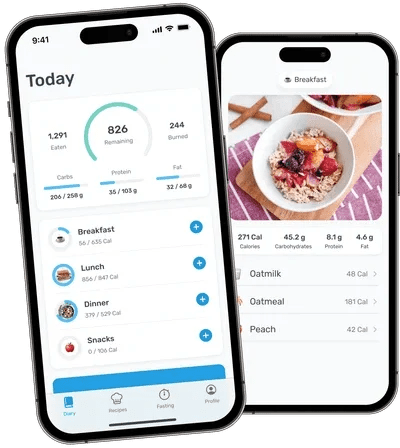
Strength: Structured plans + guided eating Accuracy Type: Recipe and plan-based accuracy
Yazio is a calorie tracker, but its real power lies in structured meal planning, recipes, and guided nutrition which influences accuracy in a different way.
Database Quality
Reliable branded and homemade entries. Its database isn’t massive, but it’s well-curated.
Accuracy Strength
When users follow Yazio’s:
Recipes
Meal plans
Program-based eating
Accuracy is high because the app controls:
Portions
Ingredients
Nutrition estimates
Portion Size Support
Yazio provides:
Serving-based recipes
Step-by-step cooking guides
Automatic adjustments for servings
This is excellent for users who struggle with portion control.
Ease of Logging
Smooth, especially if following Yazio’s structured plans. Manual logging is straightforward but not as advanced as Welling’s AI or MFP’s speed.
Ideal For
People who want structure
Users who want meal planning + calorie tracking
Beginners trying to learn portion control

What Research Says About Calorie Tracking Accuracy
Self-monitoring improves diet outcomes
Mobile apps increase tracking accuracy and adherence
Users find manual calorie logging tedious
Emotional strain reduces accurate tracking
Conclusion from research: The most accurate calories tracking app is not always the most scientific. It’s the one users can log in consistently without friction. Accuracy fails when users stop logging. This is why AI-driven logging matters as it reduces behavior-based errors.
Which App Tracks Calories Best for Each Type of User
Best Verified Accuracy
Cronometer
- Superior for athletes, professionals, medical diets.
Best Everyday Use Accuracy
Lose It
- Easy enough to maintain consistent logs.
Best Variety Coverage
MyFitnessPal
- Huge global database.
Best Recipe-Based Accuracy
- Yazio
Best International Food Accuracy
- AI estimation + verified database reduces manual entry errors, improving consistency.
Frequently Asked Questions (FAQs)
Which calories tracking app is most accurate
For pure data accuracy: Cronometer. For real-world daily accuracy: Welling and Lose It.
Which app is easiest to use
Welling’s AI chat and photo logging makes it the most effortless.
Which app has the largest database
MyFitnessPal.
Is AI calorie tracking accurate
AI is highly accurate for common foods and everyday meals, though complex home recipes may need minor adjustments.
Do I need premium to track accurately
No. Most essential tracking features are available for free in many apps or have risk-free trials.
References
Burke et al. – Dietary Self-Monitoring and Weight Change
Spring et al. – Effectiveness of Mobile Health for Weight Loss
Evans et al. – User Frustration with Counting Calories
Simpson et al. – Emotional Strain from Calorie Counting Apps
Simpson & Mazzeo – Eating Disorder Risk and Tracking Apps
Healthline – Does Calorie Counting Work
Welling is an AI weight loss coach that simplifies nutrition tracking and provides daily accountability and insights. Rated 4.8 in the App Store by thousands of users.