

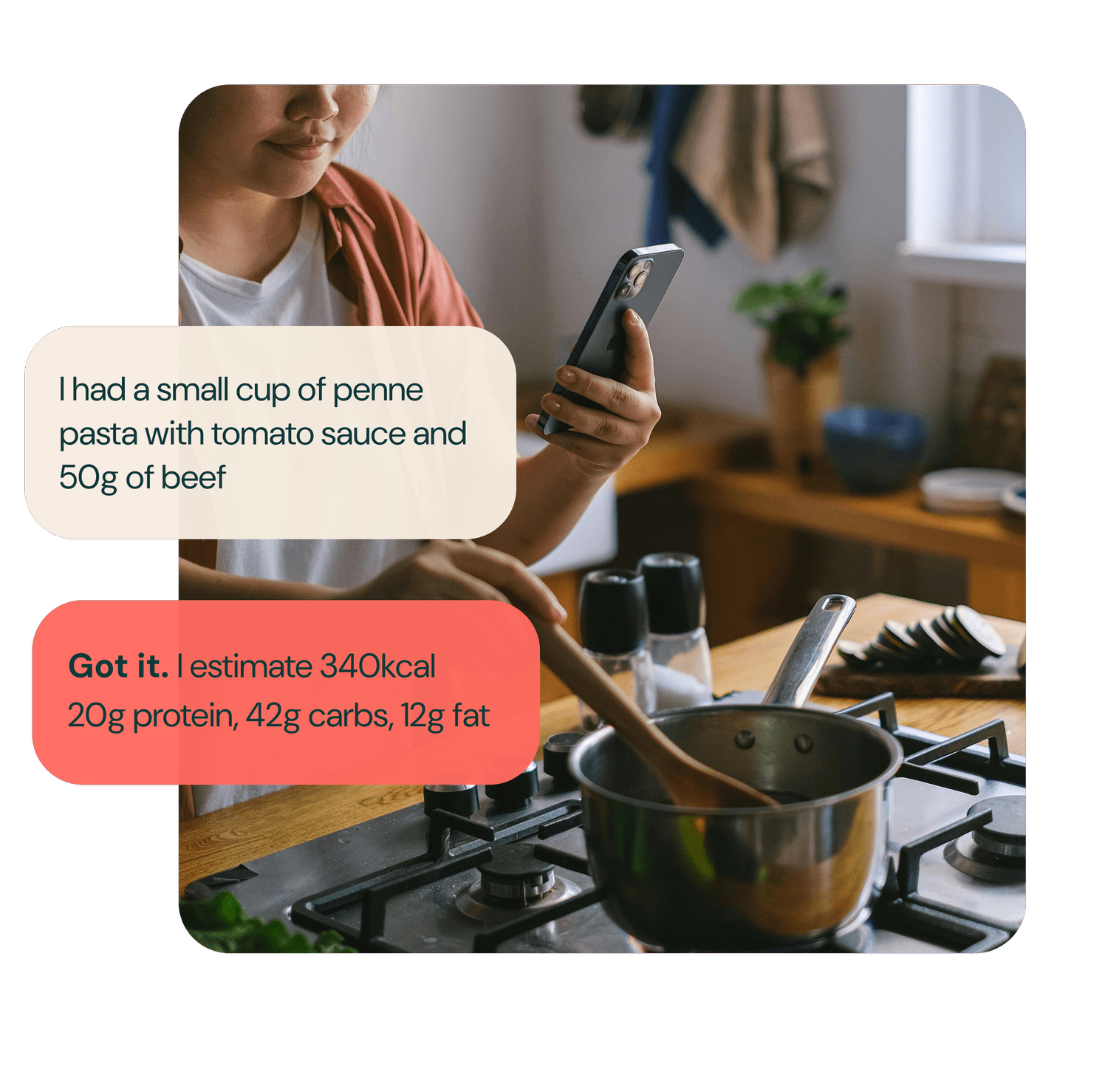
Counting calories is one of the most widely used weight-management strategies in the United States but if you’ve ever tried it, you know how quickly the process becomes overwhelming. Manually entering foods, estimating portions, and tracking every ingredient can feel like a full-time job. That’s why so many people quit, even though they genuinely want results.
Modern calorie counting apps are changing the entire experience. With verified food databases, automation, habit science features, and AI-powered logging, calorie tracking in 2026 is dramatically easier, faster, and more accurate than it used to be. And psychological research consistently shows that when logging becomes easier, people stick with it longer and achieve better outcomes.
This guide combines behavior science, peer-reviewed research, and the latest app technology to help you count calories in the simplest, most sustainable way possible.
Table of Contents
- Why Counting Calories Works
- How a Counting Calories App Simplifies Tracking
- The Psychology Behind Calorie Tracking
- How to Count Calories the Easy Way
- Practical Tips to Reduce Logging Time
- What to Look For in a Counting Calories App
- Common Mistakes When Tracking Calories
- The Role of AI in Modern Calorie Tracking
- How Welling Fits Into Today’s Calorie Tracking Landscape
- Frequently Asked Questions (FAQs)

Why Counting Calories Works
Decades of research demonstrate that calorie awareness is strongly linked to healthier eating patterns, behavior change, and weight management. Here’s what science consistently shows:
Awareness drives action
People dramatically underestimate calorie intake without tracking often by 20 to 50 percent. Awareness corrects this cognitive blind spot.
Self-monitoring improves weight outcomes
Behavioral weight-loss programs repeatedly identify dietary self-monitoring as one of the strongest predictors of success.
Mobile apps enhance consistency
Mobile calorie tracking apps have been shown to support meaningful weight loss and serve as scalable alternatives to structured programs.
The takeaway: Calorie tracking doesn’t need to be perfect, only consistent enough to build awareness.

How a Counting Calories App Simplifies Tracking
Instead of manually typing every food, a modern counting calories app automates most of the work:
Barcode scanning
Instantly pulls nutrition facts from packaged foods.
Verified databases
Apps like Cronometer use USDA and NCCDB datasets for clinical-level accuracy.
Fast search tools
Predictive search makes finding foods easier.
Saved meals and food history
Log your frequently eaten foods in one tap.
Smart portion guidance
Apps provide estimates without requiring a scale.
Automation with AI
Modern apps can now estimate calories from: • Food photos • Chat descriptions • Voice notes
These improvements remove the friction that causes so many users to give up.
The Psychology Behind Calorie Tracking
Calorie tracking is effective, but also emotionally complex. Research shows the problem isn’t the method; it’s the mental load.
Tracking feels repetitive
Studies show users describe calorie tracking as “tedious and time-consuming.”
Numbers can become stressful
Apps that focus heavily on precise numbers may cause guilt or frustration.
Emotional strain is real
Some users report shame or pressure from tracking apps.
Risk factors for eating disorders
Users motivated primarily by weight or shape concerns may show higher symptom patterns.
Missing behavior-change frameworks
Many popular apps lack psychological support tools like habit strategies, self-compassion prompts, or motivational features.
This is why simplifying the tracking experience is essential.
How to Count Calories the Easy Way
Here is the simplest, psychologically sustainable way to track calories:
Step 1: Set your calorie target once
Use a TDEE calculator or an app’s built-in estimation tool.
Step 2: Log without worrying about perfection
Even imperfect calorie tracking produces behavior changes. Awareness matters more than exact numbers.
Step 3: Use the easiest logging method available
Choose whichever method feels effortless: • Photo logging • Chat descriptions • Barcode scans • Voice notes • Recently logged meals
Step 4: Track only the essentials
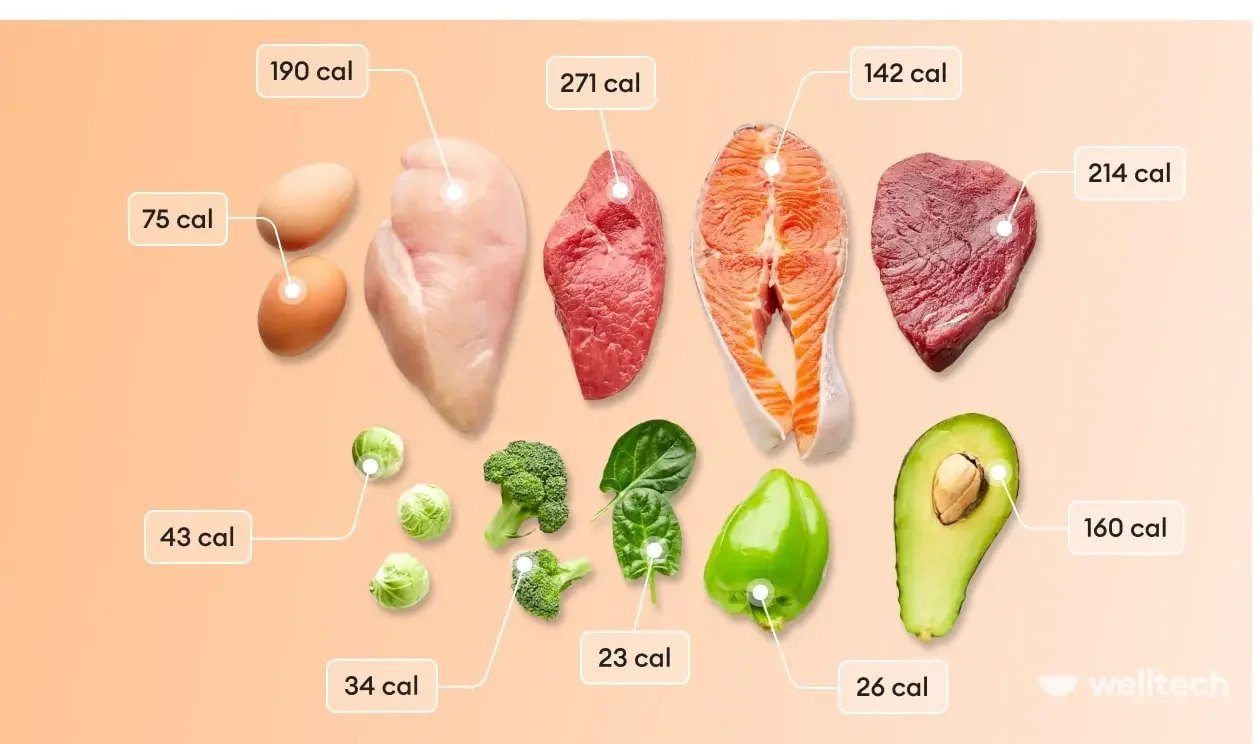
To keep things sustainable, start with these three: • Calories • Protein • Fiber
These influence fullness, energy, and adherence.
Step 5: Focus on consistency
If you miss a meal (or a day), just start again. Consistency outweighs precision every time.
Practical Tips to Reduce Logging Time
Log immediately after eating
This prevents backlog and mental friction.
Pre-log predictable meals
Breakfast and lunch are often routine.
Save your frequent foods
Most people eat the same 10–20 items weekly.
Use hand-based portion estimation
This method is surprisingly accurate and reduces stress.
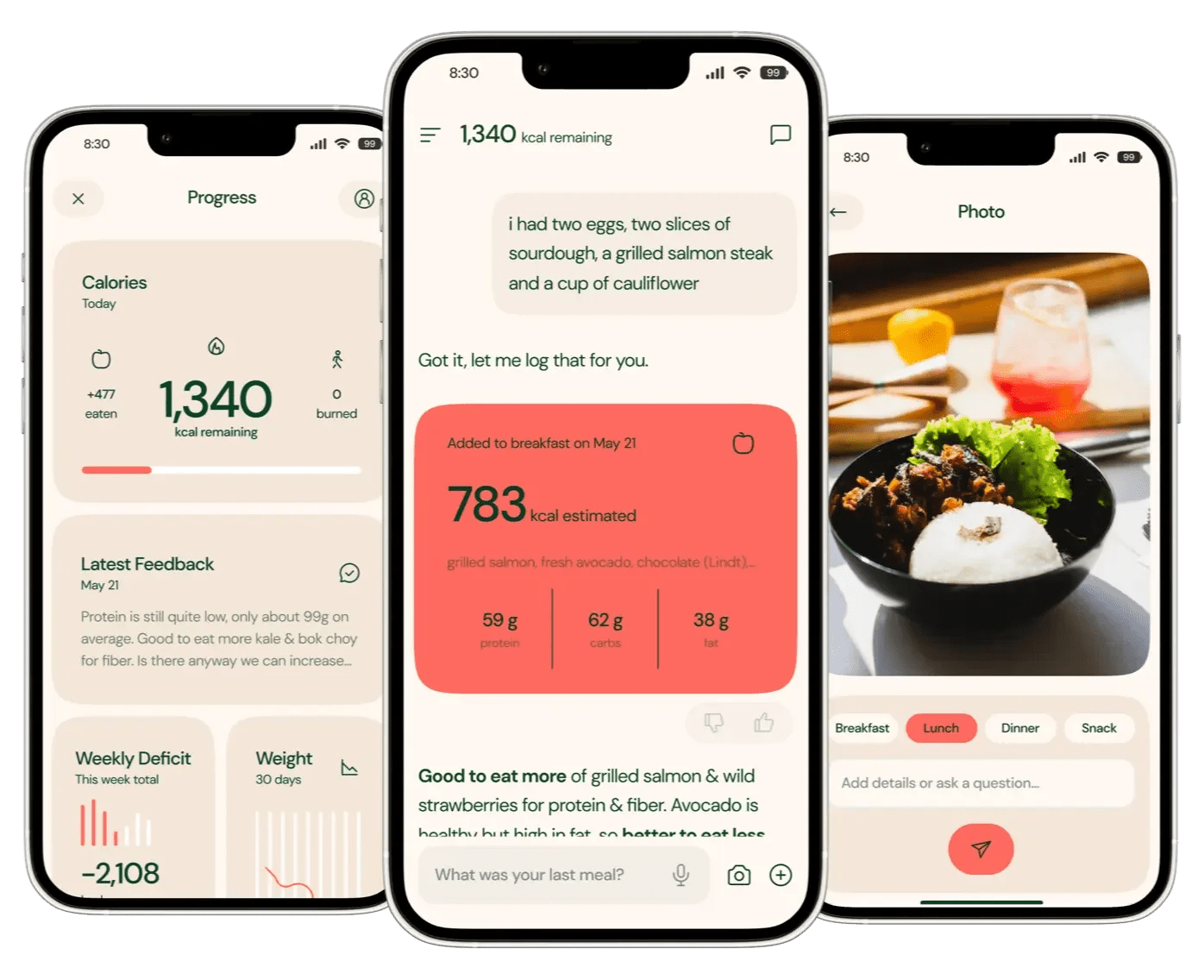
Lean on AI when possible
AI can estimate calories for mixed meals, reducing mental load.
What to Look For in a Counting Calories App
A high-quality tracking experience should include:
Fast logging tools
Efficient search, barcode scanning, saved meals.
Accurate database
Apps using verified sources offer better nutrition precision.
AI automation
AI photo and chat logging drastically reduce effort.
Motivation and habit tools
Reminders, streaks, habit cues, progress charts.
Helpful free tier
A good app should allow calorie tracking without forcing a subscription.
Common Calorie Tracking Mistakes
Trying to be perfect
+/- 100 calories is not meaningful for most people.
Logging only “good days”
This reduces awareness. Log consistently instead.
Forgetting sauces, oils, beverages
They add up more than people expect.
Overestimating serving sizes
Use visual cues or AI estimation instead of guessing.
Quitting after missed days
Restarting is more important than accuracy.
The Role of AI in Modern Calorie Tracking
AI is the biggest shift in nutrition tracking since the barcode scanner.
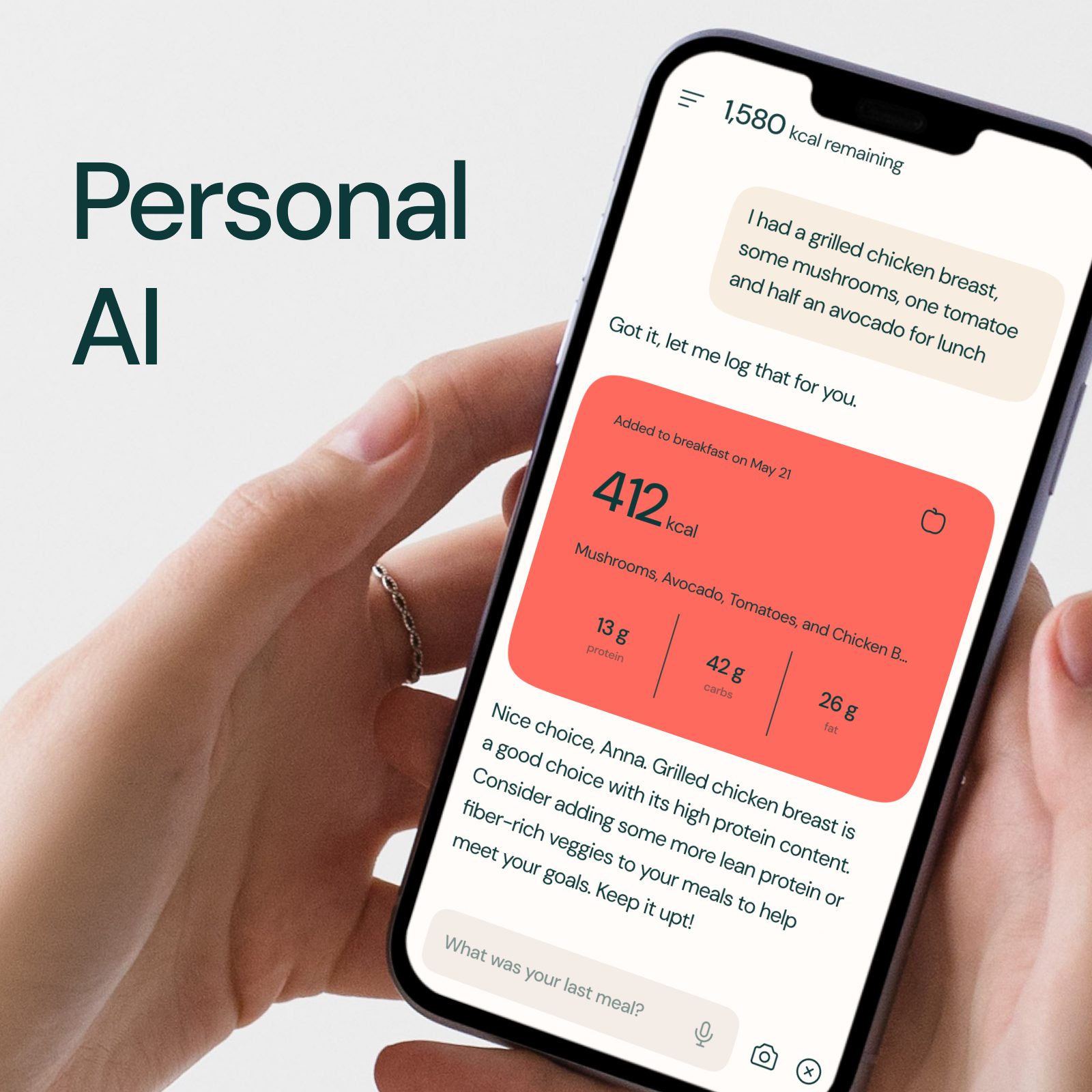
AI can now help with: • Photo-to-calorie estimation • Chat-based meal descriptions • Automatic meal recognition • Smart portion suggestions • Personalized feedback
This dramatically reduces the cognitive load of calorie tracking.
How Welling Fits Into Today’s Calorie Tracking Landscape
Many users quit calorie tracking because traditional apps require too much manual entry. This is where modern AI-supported tools, including Welling, come in.
Welling allows users to log meals conversationally or through images, reducing the friction that causes logging burnout. While the app still encourages awareness and mindful eating, its AI-assisted workflow helps users track calories with far less effort, making consistency more achievable for people with busy lifestyles.
It’s not about replacing nutrition knowledge; it’s about making tracking realistic for everyday users.
Frequently Asked Questions
Do I need a counting calories app to lose weight
No, but apps improve accuracy, awareness, and consistency.
How accurate are calorie tracking apps
Apps using verified databases are most accurate. AI photo logging is improving but may require adjustments for mixed dishes.
Is calorie counting healthy
For most users, yes, but those with a history of eating disorders should track with professional guidance.
Do I need to track every day
Four to six days per week is enough for meaningful insight.
Can AI replace manual calorie tracking
Not entirely, but AI dramatically reduces the effort needed.
References
Burke et al. – Dietary Self-Monitoring and Behavior Change https://www.ncbi.nlm.nih.gov/pmc/articles/PMC8928602/
Spring et al. – Mobile Apps and Weight Loss Effectiveness https://www.ncbi.nlm.nih.gov/pmc/articles/PMC10034244/
Simpson & Mazzeo – Eating Disorder Symptoms and Calorie Tracking Apps https://pubmed.ncbi.nlm.nih.gov/34543856/
Simpson et al. – Emotional Strain from Fitness and Calorie Apps https://www.nursinginpractice.com/clinical/womens-health/fitness-and-calorie-counting-apps-can-impact-wellbeing-study-suggests/
Evans et al. – User Frustration with Calorie Counting https://www.sciencedirect.com/science/article/pii/S2214782916300392
Schoeppe et al. – Lack of Behavior Science in Health Apps https://mhealth.jmir.org/2016/1/e19/
Healthline Editorial Team – Does Calorie Counting Work https://www.healthline.com/nutrition/does-calorie-counting-work
Rumen Health Review – Pros and Cons of Calorie Counting https://www.rumen.com.au/article/should-you-count-calories-pros-cons-analysis/
Welling is an AI weight loss coach that simplifies nutrition tracking and provides daily accountability and insights. Rated 4.8 in the App Store by thousands of users.