
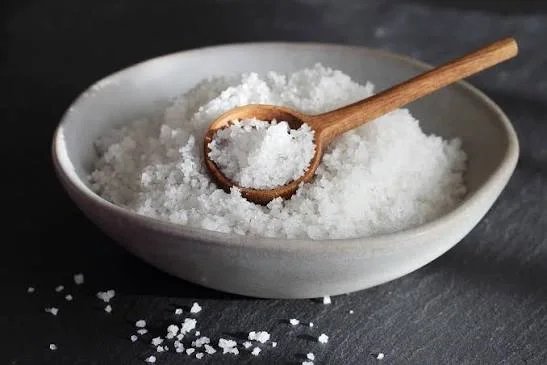
How much sodium should you eat per day?
Most health guidelines recommend less than 2,300 mg of sodium per day for most adults, equivalent to approximately one teaspoon of table salt. The American Heart Association recommends an ideal target of under 1,500 mg per day for people with high blood pressure or cardiovascular risk. The average adult in Western countries consumes 3,400 to 4,000 mg per day, well above both thresholds. Use the calculator below to find a personalised sodium target based on your health profile.
Table of Contents
- Sodium Intake Calculator
- Why Does Sodium Intake Matter?
- Where Does Most Dietary Sodium Come From?
- What Is the Difference Between Sodium and Salt?
- How Does Sodium Affect Weight Loss and Water Retention?
- How Do You Reduce Sodium Intake Without Sacrificing Flavour?
- How Do You Track Sodium in Your Daily Diet?
- Frequently Asked Questions
- References
Sodium Intake Calculator
Daily Sodium Intake Calculator
Your recommended daily sodium limit
Estimated sodium in your current diet type:
Health note:
Always confirm specific sodium targets with your doctor or dietitian, particularly if managing blood pressure, kidney disease, or heart conditions.
Why Does Sodium Intake Matter?
Sodium is an essential mineral that regulates fluid balance, nerve transmission, and muscle contraction. At appropriate levels it is necessary for health. At the levels most people in Western countries consume it, it is a significant contributor to elevated blood pressure and cardiovascular disease risk.
The mechanism is straightforward. Excess sodium in the bloodstream draws water into the blood vessels, increasing blood volume and therefore blood pressure. Over time, sustained elevated blood pressure damages the walls of blood vessels, increases the risk of plaque formation, and raises the risk of heart attack, stroke, and kidney damage.
A 2020 meta-analysis published in the British Medical Journal found that reducing sodium intake by 1,000 mg per day was associated with a significant reduction in systolic blood pressure across population groups, with larger effects in people who already had hypertension. The effect is dose-responsive, meaning more reduction produces more benefit up to a threshold.
Most adults in Western countries consume 3,400 to 4,000 mg of sodium per day, well above the 2,300 mg guideline for generally healthy adults and more than double the American Heart Association’s ideal target of 1,500 mg for those with cardiovascular risk factors.
Where Does Most Dietary Sodium Come From?
The most important insight about dietary sodium is that the majority does not come from the salt shaker. Research from the US Centers for Disease Control found that approximately 70 percent of sodium intake comes from processed and restaurant foods rather than from salt added during cooking or at the table.
The highest-sodium food categories are processed meats including bacon, ham, sausages, and deli meats, which routinely contain 800 to 1,500 mg per serving. Bread and bakery products are often overlooked as high-sodium foods but two slices of standard bread can contain 300 to 400 mg of sodium. Canned soups frequently contain 800 to 1,000 mg per serving. Cheese contributes significantly across most diets. Soy sauce, condiments, and cooking sauces are concentrated sodium sources that are easily added in large quantities.
Restaurant meals, particularly fast food and Chinese, Japanese, and other East Asian cuisines using soy sauce or MSG-containing seasoning, can contain 2,000 to 3,000 mg in a single meal, exceeding the entire daily guideline in one sitting.
Welling tracks sodium in every logged meal automatically, making the total day’s sodium intake visible in a way that most people find revealing the first time they track it.
What Is the Difference Between Sodium and Salt?
Sodium and salt are often used interchangeably but they are not the same thing. Salt, or sodium chloride (NaCl), is a compound in which sodium makes up approximately 40 percent of the molecular weight. This means that one gram of salt contains approximately 400 mg of sodium.
When food labels list sodium content, they are listing the sodium alone, not the total weight of salt. A product with 600 mg of sodium per serving contains approximately 1.5 grams of salt per serving. Converting between the two: divide mg of sodium by 400 to get grams of salt, or multiply grams of salt by 400 to get mg of sodium.
The recommendation of 2,300 mg of sodium per day corresponds to approximately 5.75 grams, or just under one teaspoon, of table salt per day in total across all food consumed.
How Does Sodium Affect Weight Loss and Water Retention?
High sodium intake causes the body to retain water to maintain the appropriate sodium concentration in the blood. This water retention can mask fat loss progress on the scale, add apparent weight, and cause the bloating that many people associate with salty meals.
The effect is temporary. Reducing sodium intake after a high-sodium day typically results in rapid water loss over 24 to 48 hours as the kidneys excrete the excess sodium along with the retained water. This explains why scale weight can fluctuate by one to two kilograms based on recent sodium intake even when fat mass is unchanged.
For people tracking weight loss progress, this sodium-driven water retention is one of the most common causes of apparent plateaus and demotivating scale readings. Weekly weight averaging, rather than daily readings, smooths out this variation and gives a more accurate picture of actual fat loss progress.
Reducing sodium intake is not the same as losing fat, and rapid weight loss after cutting sodium is primarily water rather than fat. However, managing sodium intake alongside calorie tracking gives a cleaner signal of actual progress.
How Do You Reduce Sodium Intake Without Sacrificing Flavour?
Reducing sodium does not require eating bland food. The key is replacing sodium-based flavouring with other flavour-building techniques that do not rely on salt.
Acid, from lemon juice, lime juice, or vinegar, enhances the perceived flavour of food in a way that reduces the need for salt to achieve the same flavour intensity. Research from the Monell Chemical Senses Center found that adding acid can reduce the salt needed to achieve equivalent perceived saltiness by up to 30 percent.
Fresh herbs, garlic, ginger, chilli, cumin, and other spices build complexity and depth of flavour without sodium. Using high-quality ingredients that have natural flavour depth requires less seasoning.
Choosing low-sodium versions of packaged staples such as canned tomatoes, stock, and soy sauce cuts sodium meaningfully without changing the cooking approach. Rinsing canned beans and vegetables removes approximately 40 percent of their sodium content.
Cooking more at home is the most effective single strategy for reducing sodium intake, since restaurant and packaged food sodium content is the primary driver of high intake for most people.
How Do You Track Sodium in Your Daily Diet?
Sodium is often the surprise nutrient for first-time food trackers. People who feel they eat reasonably healthily are often startled to discover their daily sodium intake is 3,000 to 4,000 mg from a diet built around seemingly wholesome foods including bread, cheese, canned goods, and sauces.
Welling tracks sodium in every logged meal automatically alongside calories and macros. The food tracker shows your running daily sodium total, which makes it straightforward to see which meals are the primary sodium contributors and adjust choices accordingly. The AI nutrition coach can answer “am I over my sodium target today” or “what lower-sodium alternatives can I use for dinner” with specific, contextual answers based on your actual daily log.
See exactly where your sodium is coming from, every day.
Welling tracks sodium automatically from a photo, chat, or voice note in 2.6 seconds on average and shows your daily total alongside calories and macros in real time.
Frequently Asked Questions
How much sodium per day is too much?
For most healthy adults, intakes consistently above 2,300 mg per day are associated with increased blood pressure risk over time. At 4,000 mg per day, which is close to the Western average, the cardiovascular risk increase is meaningful. The American Heart Association recommends under 1,500 mg per day as an ideal target for people with existing or elevated cardiovascular risk.
Does everyone need to reduce sodium intake?
Not equally. Salt sensitivity varies significantly between individuals. Some people’s blood pressure responds strongly to sodium, while others show minimal response. People with hypertension, kidney disease, heart disease, diabetes, or a family history of these conditions tend to be more salt-sensitive and benefit more from sodium reduction. Generally healthy adults with normal blood pressure can be more flexible, though keeping intake below 2,300 mg per day is the widely supported standard.
Does drinking more water help with sodium and water retention?
Staying well hydrated supports efficient kidney function and sodium excretion. Drinking adequate water alongside a lower-sodium diet helps the kidneys process and excrete excess sodium more efficiently than dehydration does. However, drinking excessive water without adequate sodium and electrolyte intake can dilute blood sodium levels, causing a condition called hyponatraemia, which is rare in everyday life but a real risk for endurance athletes drinking large volumes of plain water during events.
How do I know if a food is high in sodium?
Check the nutrition label and look at sodium per serving. As a guide: under 120 mg per 100g is low sodium, 120 to 600 mg per 100g is moderate, and above 600 mg per 100g is high. For packaged foods, also check the percentage of daily value if shown. Many processed foods that do not taste salty, including bread, breakfast cereals, and sauces, have surprisingly high sodium content.
Can I use salt substitutes to reduce sodium?
Many salt substitutes replace some or all sodium chloride with potassium chloride, which provides a salty flavour with less cardiovascular risk. These can be effective for reducing sodium while maintaining perceived saltiness. However, potassium chloride can be harmful for people with kidney disease or those taking certain medications that raise potassium levels. Check with your doctor before using potassium-based salt substitutes if you have any of these conditions.
How quickly does blood pressure respond to sodium reduction?
Research suggests that meaningful blood pressure reductions from sodium reduction are visible within two to four weeks of consistent lower sodium intake. The effect is typically two to five mmHg reduction in systolic pressure for people with mildly elevated readings on a 1,000 mg per day reduction. For people with hypertension, reductions can be larger. The benefit persists only with ongoing reduced intake.
References
- Aburto, N. J., et al. (2013). Effect of Lower Sodium Intake on Health: Systematic Review and Meta-Analyses. British Medical Journal, 346, f1326. https://pubmed.ncbi.nlm.nih.gov/23558163/
- Mozaffarian, D., et al. (2014). Global Sodium Consumption and Death from Cardiovascular Causes. New England Journal of Medicine, 371(7), 624-634. https://pubmed.ncbi.nlm.nih.gov/25119608/
- Centers for Disease Control and Prevention. (2023). Get the Facts: Sodium and the Dietary Guidelines. https://www.cdc.gov/salt/pdfs/sodium_dietary_guidelines.pdf
- American Heart Association. (2024). How Much Sodium Should I Eat Per Day? https://www.heart.org/en/healthy-living/healthy-eating/eat-smart/sodium/how-much-sodium-should-i-eat-per-day
- He, F. J., & MacGregor, G. A. (2009). A Comprehensive Review on Salt and Health and Current Experience of Worldwide Salt Reduction Programmes. Journal of Human Hypertension, 23(6), 363-384. https://pubmed.ncbi.nlm.nih.gov/19110538/
- World Health Organization. (2023). Sodium Intake for Adults and Children. https://www.who.int/publications/i/item/9789241504836

Mickey Kittinuttakul