
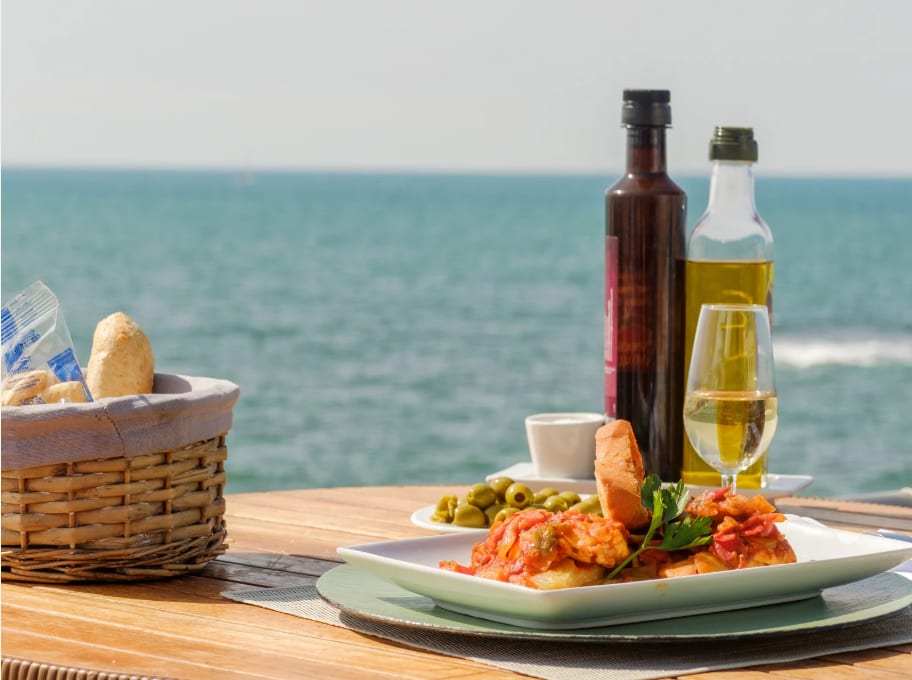
(And no_,_ it’s not just about olives and pasta.)
If there were a “most popular diet” award, the Mediterranean diet would probably win. It’s got science behind it, it’s easy to love, and it’s not about cutting out your favorite meals. It’s about making them better.
This way of eating was inspired by the traditional diets of people living near the Mediterranean Sea, places like Italy, Greece, and Spain back in the 1960s. What made it interesting? They ate a lot of plant-based, minimally processed foods… and had some of the lowest rates of heart disease at the time.
But how do you actually “eat Mediterranean” in real life? Let’s break it down.
So what is the Mediterranean diet?
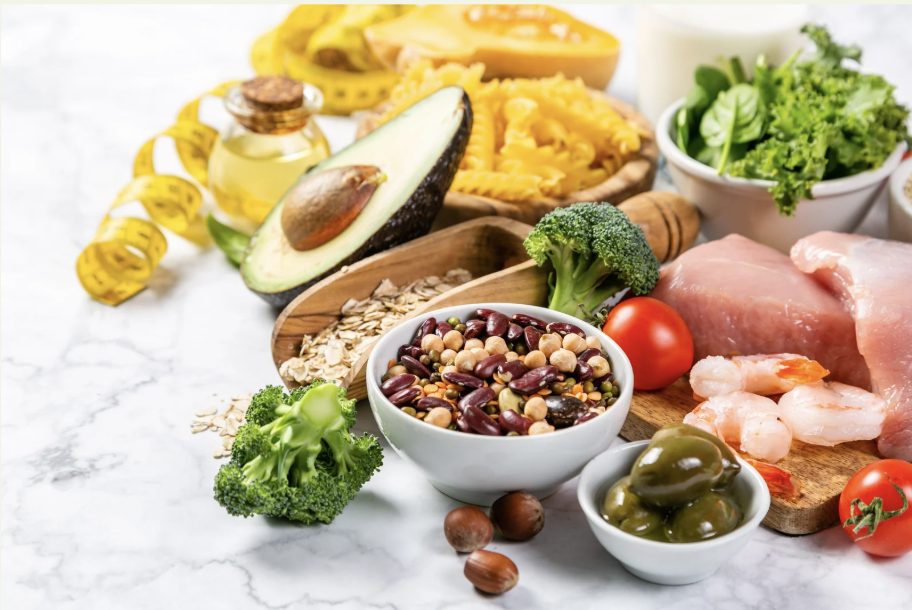
At its heart, it’s a mostly plant-based style of eating that emphasizes:
Veggie-packed meals (think leafy greens, eggplants, tomatoes, etc.)
Legumes and beans (like chickpeas and lentils)
Whole grains (brown rice, quinoa, farro, whole wheat)
Heart-healthy fats (like olive oil, nuts, and seeds)
Moderate amounts of fish and seafood
Some poultry, eggs, and dairy in smaller portions
Herbs and spices for flavor… salt isn’t the star
Very little red meat or processed foods
Optional: a little red wine (we said “little!”)
Even though this originated in Europe, it’s surprisingly flexible. You can easily adapt the Mediterranean diet to Asian kitchens. For example:
Stir-fry veggies in olive oil instead of butter.
Swap pasta for soba or brown rice.
Use tofu or tempeh for protein.
Add miso, ginger, or garlic to boost flavor naturally.
Benefits of the Mediterranean diet
Heart health hero: Tons of research links this way of eating to lower cholesterol and reduced risk of heart disease.
Brain benefits: May lower your chances of cognitive decline or memory loss as you age.
Anti-inflammatory: Loaded with antioxidants and healthy fats that help reduce inflammation.
May help with weight control: Eating whole, filling foods can naturally lead to better portion control.
Blood sugar stability: Great for people managing type 2 diabetes or insulin resistance.
Possible drawbacks of the Mediterranean diet
It can take time. Fresh food = more cooking. If you’re used to convenience meals, this might feel like a big shift.
Some ingredients may cost more, like fish, olive oil, and nuts, but you can balance it out with affordable staples like lentils and frozen veggies.
Hard to find “Mediterranean” when eating out. Many restaurants use processed oils or hidden salt/sugar, even in “healthy” dishes.
Wine isn’t a requirement, and it can be risky for some people, so don’t feel pressured to drink it “just because.”
Common concerns
Isn’t this a Western diet?
It started there, yes, but it’s flexible enough to fit Asian food preferences. Think tofu + spinach with sesame oil instead of feta + spinach with olive oil. It’s the same principle: minimally processed, plant-forward, and rich in flavor.
Do I need to give up rice or noodles?
Not at all. Just go for brown rice or whole grains when possible. Even barley or red rice can be great substitutes.
Do I have to eat fish every day?
Nope. 2–3 times a week is enough. If you don’t eat fish, you can get healthy fats from nuts, seeds, or seaweed-based sources.
I don’t have time to cook elaborate meals.
You don’t need to. One-pot stews, stir-fried greens with brown rice, or boiled eggs with chopped salad all work.
The Welling wrap-up
In the Welling app you can choose the mediterranean diet as the preferred one that you want to follow and any guidance, feedback and meal suggestions will take that into account.
The Mediterranean diet isn’t about strict rules; it’s about building a plate filled with plants, whole grains, healthy fats, and flavor. It’s flexible, family-friendly, and with a few tweaks, fits right into an Asian kitchen.
And if you’re trying to eat healthier without cutting out entire food groups or obsessing over every calorie? This could be your sweet spot.
Welling is an AI weight loss coach that simplifies nutrition tracking and provides daily accountability and insights. Rated 4.8 in the App Store by thousands of users.