

You don’t have time for hour-long gym sessions. Between work meetings, family commitments, and trying to maintain some social life, finding even 30 minutes feels impossible.
Here’s the good news: you don’t need hours at the gym to stay fit. Twenty minutes of the right kind of exercise can be more effective than an unfocused hour.
The key is “right kind”. Not all 20-minute workouts work. Scrolling on your phone between sets or doing endless crunches won’t cut it. But strategic, focused movement can build strength, burn calories, and improve fitness in less time than it takes to commute to the gym.
The science behind short but effective workouts
Your body responds to intensity and consistency, not time spent. A focused 20-minute session where you’re actually working beats a distracted hour any day. Research shows short, intense workouts can boost metabolism for hours afterward, sometimes burning more total calories than longer moderate sessions.
The real magic of 20-minute workouts is sustainability. You’re much more likely to do 20 minutes consistently than schedule hour-long sessions that keep getting cancelled. Consistency over months beats intensity over weeks. A year of regular 20-minute workouts creates far better results than sporadic gym marathons.
Mental commitment is easier too. Telling yourself “just 20 minutes” removes the mental barrier that keeps you from starting. Once you begin, you’ll finish. That sense of completion builds momentum and makes fitness feel achievable rather than overwhelming.
The most effective structure
Compound movements work multiple muscle groups simultaneously, giving you maximum benefit in minimum time. Think squats, push-ups, rows, lunges, and planks. Skip exercises that only work tiny muscles in isolation.
Circuit training format keeps your heart rate up while building strength. Do 40 seconds of one exercise, rest 15 seconds, move to the next exercise. Complete 3-4 rounds. This approach combines strength training and cardio benefits without needing separate sessions.
Your go-to 20-minute routines (pick one and start)
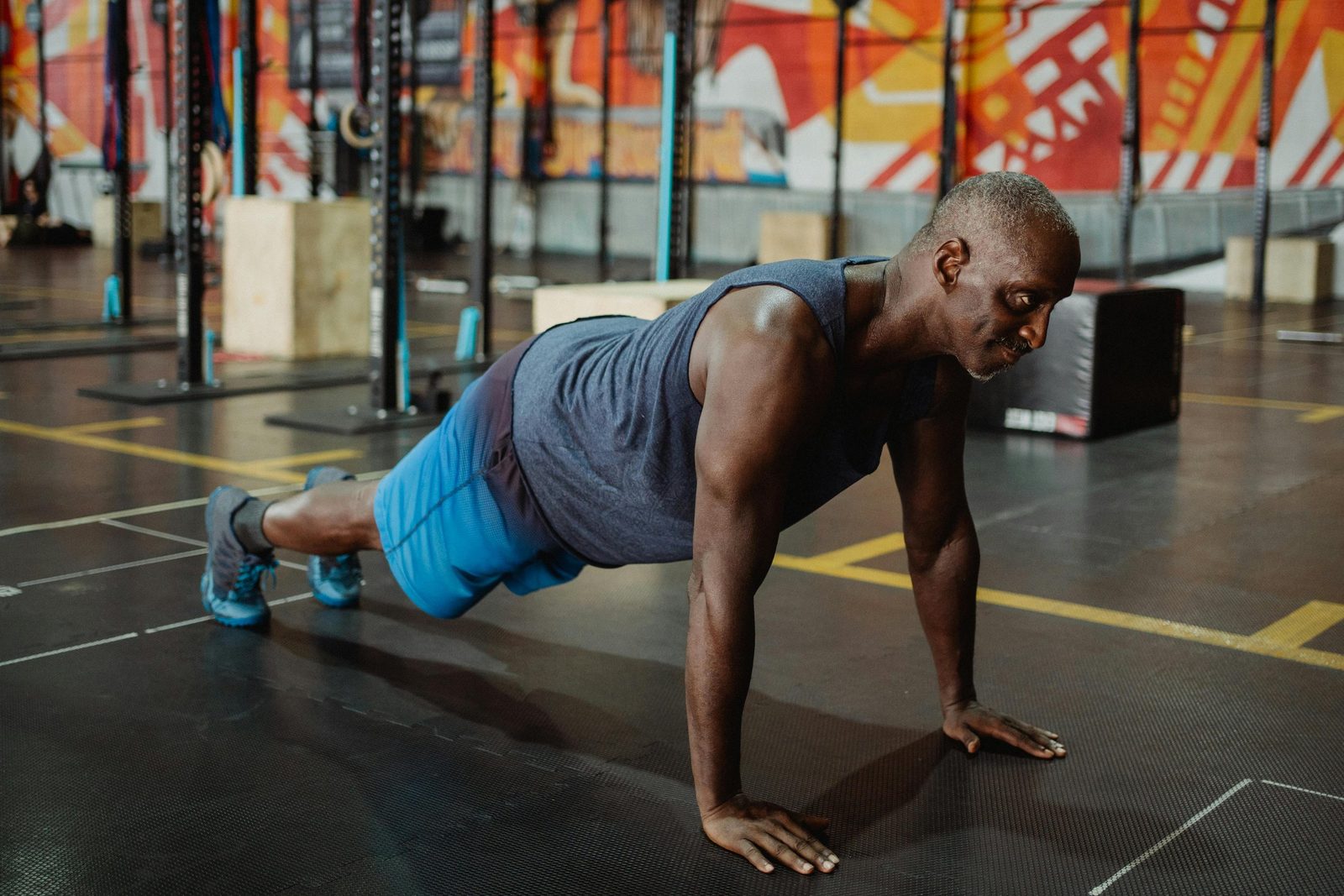
Bodyweight circuit (no equipment needed): Push-ups (or knee push-ups), squats, plank hold, lunges (alternating legs), mountain climbers. Do each for 40 seconds, rest 20 seconds between exercises. Complete 4 rounds. That’s exactly 20 minutes and works your entire body.
Resistance band routine (one band needed): Band rows, band squats, band chest press, band lateral raises, band deadlifts. Same timing: 40 seconds work, 20 seconds rest, 4 rounds. Resistance bands cost less than one gym session and fit in a drawer.
Walking intervals (outdoor or treadmill): Brisk walk 2 minutes (warm-up), then alternate 1 minute fast walk or light jog with 1 minute regular pace. Repeat the fast/regular intervals 7 times, then cool down walk 2 minutes. This works for any fitness level.
Depending on your goal, profile and preferences, different workouts may work better for you. Ask Welling for workouts that fit in your 20 minute window with the equipment you have.
Find your perfect workout window
Morning before work is ideal for consistency. Set your alarm 25 minutes earlier (20 minutes workout plus 5 to change). Your workout is done before the day derails your plans. Many people find morning movement boosts energy better than coffee.
Lunch break sessions work well if you can change quickly or don’t mind sweating a bit. A 20-minute bodyweight circuit in an empty meeting room or nearby park breaks up the workday and improves afternoon focus. (And your lunch tastes so much better afterwards!)
Evening wind-down can work, but tends to get skipped more often, because you’re often tired and hungry. If evening is your only option, do it right when you get home before sitting down. Once you sit, starting becomes much harder.
The secret to making short workouts count
Intensity matters more than time. Those 20 minutes need to be focused. No phone scrolling, no long water breaks, no chatting. Just movement, brief rest, repeat. If you can comfortably hold a conversation during your workout, increase intensity, keep your heart rate up.
Progressive challenge keeps results coming. Once exercises feel easy, make them harder. Deeper squats, slower push-ups, shorter rest periods, or adding a resistance band. Your body adapts quickly, so keep challenging it. This also means you are getting stronger.
Track your consistency. An AI weight loss coach like Welling helps you log workouts alongside your meals. You’ll see how regular movement affects your energy, appetite, and progress. Many people discover they eat better on days they exercise, creating a positive cycle. Ask Welling to analyze your workouts together with your diet and weight.

Combine with nutrition for best results
Twenty-minute workouts are effective, but they work best combined with proper nutrition. You can’t out-exercise poor eating, especially in just 20 minutes a day. The good news is that regular movement often improves food choices naturally. You’re less likely to ruin the effort you just put in.
Protein becomes crucial when workout time is limited. Your body needs adequate protein to build and maintain muscle from those short sessions. Aim for 25-30 grams at each meal to support your training and recovery.
The goal isn’t to turn into a bodybuilder
Twenty-minute workouts won’t turn you into a bodybuilder or ultra-marathoner, and that’s not the goal. The goal is maintaining fitness, building functional strength, and supporting your weight loss or health goals while living a busy life.
The best workout is the one you’ll actually do. If 20 minutes is what fits your life right now, that’s what you should do. Stop waiting for the perfect time with perfect conditions. Start with 20 minutes today.
Welling is an AI weight loss coach that simplifies nutrition tracking and provides daily accountability and insights. Rated 4.8 in the App Store by thousands of users.