

You can’t stop time, but you can absolutely influence how your body ages. Two people can be the same age yet look and feel decades apart. The difference often comes down to daily choices, especially what you eat. While genetics play a role, research shows that nutrition might be more important than your genes when it comes to how well you age.
The conversation around aging has shifted dramatically. It’s no longer just about living longer, it’s about living better. Staying strong in your 30s and 40s, having energy in your 50s, staying sharp in your 60s, and maintaining independence in your 70s and beyond. The foods you eat today directly impact how you’ll feel 10, 20, 30 years from now.
What healthy aging actually means
Healthy aging isn’t about looking young forever or chasing anti-aging miracles. It’s about maintaining muscle mass, keeping your mind sharp, having steady energy, and avoiding the chronic diseases that typically come with age like diabetes, heart disease, and cognitive decline.
Your body’s ability to repair itself, fight inflammation, and maintain vital functions depends heavily on the nutrients you provide. Think of food as information that tells your cells how to behave. Quality ingredients create quality results.
The good news is that it’s never too late to start. Studies show that people who improve their diet in their 40s, 50s, or even 60s still see significant benefits in how they age. Your body is constantly rebuilding itself, and you can influence that process starting with your next meal.
Foods that slow down aging
Colorful vegetables and fruits contain antioxidants that protect your cells from damage. The more colors on your plate, the better. Dark leafy greens like spinach and kai lan provide nutrients that support brain health. Berries protect memory and cognitive function. Tomatoes, bell peppers, and carrots contain compounds that protect your skin and eyes.
Omega-3 rich fish like salmon, mackerel, and sardines reduce inflammation throughout your body. Inflammation is one of the biggest drivers of aging and age-related diseases. Eating fish 2-3 times per week significantly lowers inflammation markers and supports brain function.
Protein from quality sources becomes more important as you age because your body gets less efficient at using protein to maintain muscle. After 30, you naturally lose 3-8% of muscle mass per decade unless you actively work to maintain it. Eggs, fish, chicken, tofu, and legumes provide the building blocks your body needs.
Fermented foods like kimchi, miso, yogurt, and kefir support gut health, which is directly connected to immune function, mental health, and even how well you age. A healthy gut microbiome is one of the most important factors in healthy aging.
Nuts and seeds provide healthy fats, protein, and minerals that support brain health and reduce inflammation. A small handful daily (about 30 grams) has been linked to better cognitive function and longevity. Almonds, walnuts, pumpkin seeds, and sesame seeds are all excellent choices.
Foods that accelerates aging
Excess sugar is one of the worst offenders for aging. It creates a process called glycation where sugar molecules attach to proteins in your body, creating compounds that damage skin, blood vessels, and organs. This shows up as wrinkles, but the damage goes much deeper.
Highly processed meats like sausages, luncheon meat, and bacon contain preservatives and compounds that increase inflammation and have been linked to faster aging and increased disease risk. Occasional consumption is fine, but making them daily staples accelerates aging.
Trans fats and heavily processed oils damage cells and increase inflammation. These are found in many fried foods, packaged snacks, and commercially baked goods. Check ingredient lists for “partially hydrogenated oils” and avoid them.
Excess alcohol affects almost every system in your body. It disrupts sleep quality, damages liver function, interferes with nutrient absorption, and accelerates cognitive decline. If you drink, keeping it to 1-2 drinks per week minimizes damage.
Ultra-processed foods in general accelerate aging because they’re designed to be over-consumed, they lack nutrients your body needs, and they’re full of additives that your body has to work hard to process and eliminate.
How to eat for longevity starting today
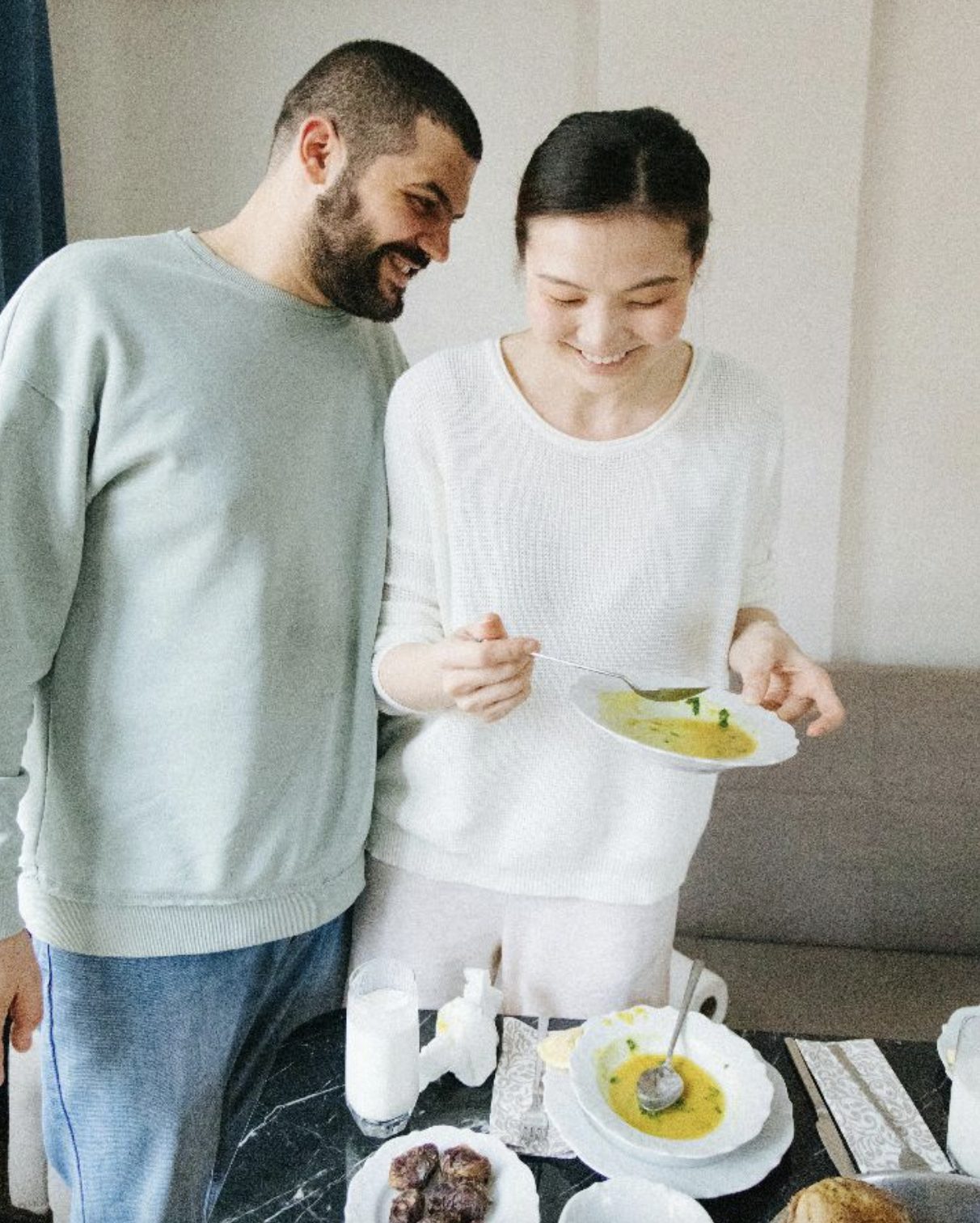
Focus on building meals around whole foods rather than processed ones. A simple template: protein (fish, chicken, tofu), colorful vegetables, and a moderate portion of rice or other whole grains. This basic formula supports healthy aging better than any complicated diet plan.
Eat enough protein at every meal. As you age, your body needs more protein to maintain muscle mass. Aim for 25-30 grams per meal, not just at dinner. This means adding eggs to breakfast, having fish or chicken at lunch, not just relying on dinner for protein.
Include fermented foods daily. A serving of kimchi with your meal, miso soup with breakfast, or plain yogurt as a snack all count. These foods support the gut bacteria that influence everything from immunity to mood.
Reduce added sugars gradually. You don’t have to eliminate sugar completely, but reducing it from multiple times daily to occasional treats makes a significant difference in how you age.
Track your nutrition patterns
Using an AI nutrition coach like Welling helps you see whether you’re actually eating the foods that support healthy aging. You might think you’re eating enough protein or vegetables, but tracking shows the reality. Many people discover they’re getting most of their calories from processed carbs and very little from the nutrient-dense foods their body needs.
Pay attention to how different foods make you feel. Notice your energy levels, sleep quality, skin condition, and mental clarity. These are all indicators of how well your food choices are supporting your body.
Start where you are
You don’t need to overhaul your entire diet overnight. Start by adding one food that supports healthy aging. Maybe that’s having fish twice a week instead of once. Or adding vegetables to breakfast. Or switching from sugary drinks to green tea.
The compounding effect of small, consistent improvements is powerful. The choices you make today influence how you’ll feel and function years from now. That’s not pressure, it’s empowerment. You have more control over how you age than you might think, and it starts with what’s on your plate.
Welling is an AI weight loss coach that simplifies nutrition tracking and provides daily accountability and insights. Rated 4.8 in the App Store by thousands of users.