
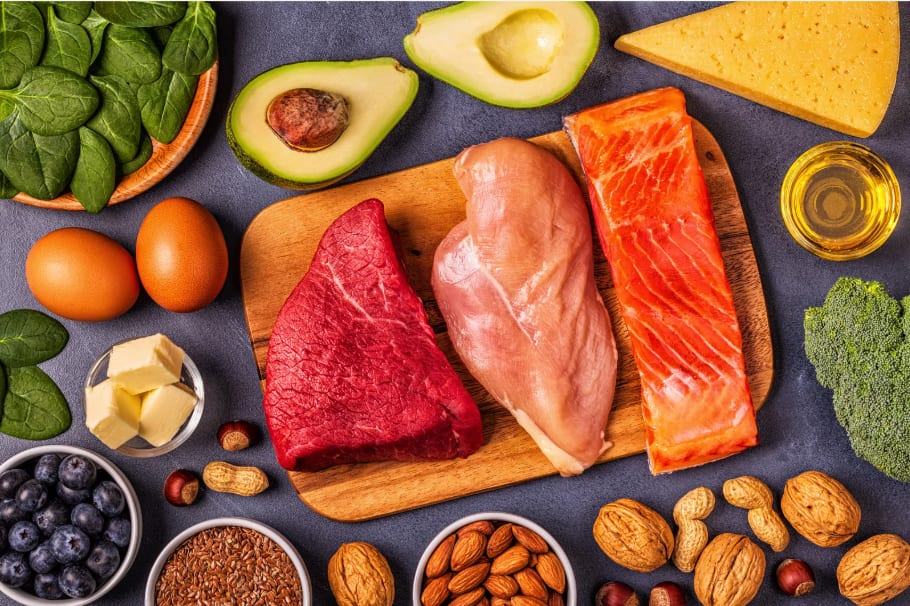
Trying to eat better often means one thing: cutting back on carbs. And if you’ve heard of the Paleo diet or “low-carb” way of eating, you know they’re often lumped together. But how similar are they? And could either one actually work for you?
Let’s explore both.
What are Paleo and Low-Carb diets, really?
Both diets focus on cutting down refined carbohydrates like bread, rice, and sugar, and emphasizing real, whole foods. But their origins and rules are a little different.
Paleo is based on the idea of eating like our ancient ancestors, before agriculture and modern food processing. Think: meat, veggies, nuts, seeds, fruit, and natural fats. No grains, dairy, legumes, or processed foods.
Low-carb eating is broader. You still avoid high-carb foods, but you don’t have to go full caveman. Many people on low-carb diets still eat dairy, legumes, and even small portions of grains. The stricter version? That’s keto.
In short:
Paleo is about food types (what your ancestors could hunt or gather).
Low-carb is about food macros (limiting how many carbs you eat).
What can you eat?
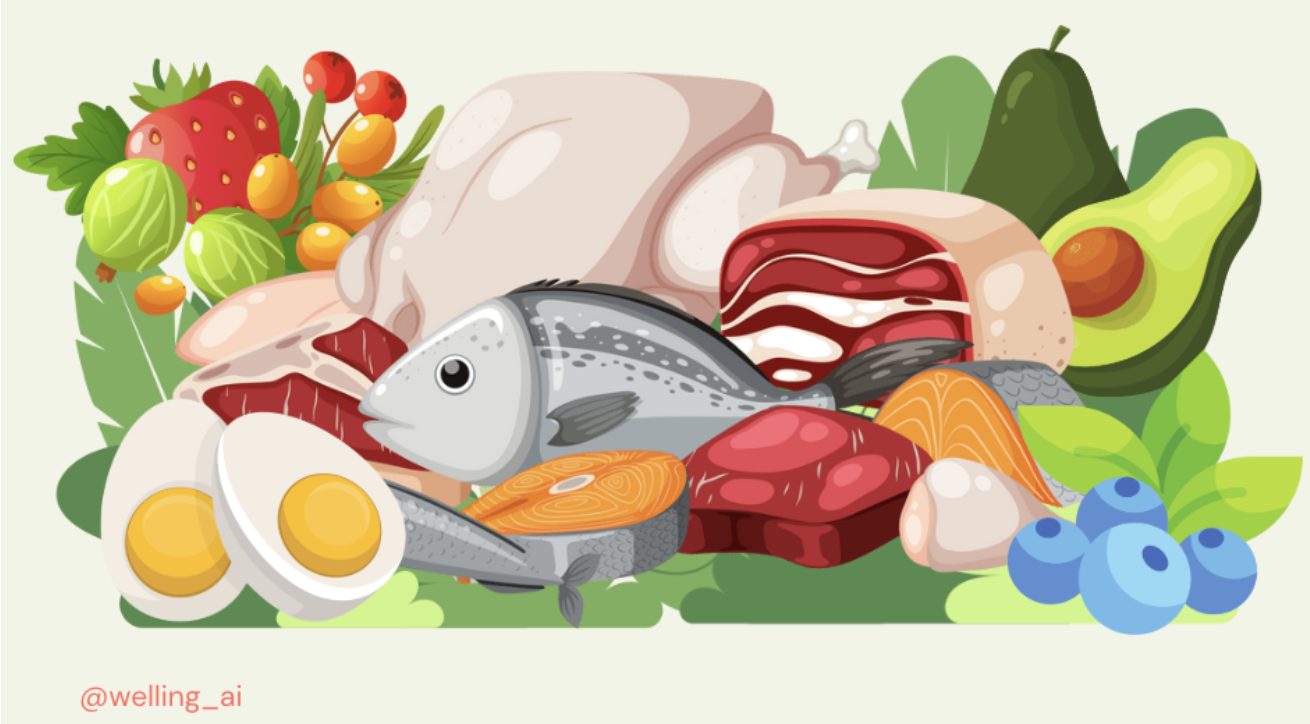
Here’s what both eating styles tend to emphasize:
✅ Unprocessed meat and fish
✅ Eggs
✅ Non-starchy vegetables (like leafy greens, bok choy, mushrooms)
✅ Healthy fats (avocado, olive oil, nuts)
✅ Small portions of fruit (especially berries)
Where they differ:
Paleo cuts out dairy, legumes (like beans and lentils), and all grains (including brown rice and oats). Why no legumes or grains? Paleo excludes these because they contain natural compounds like lectins and phytic acid, which some believe can interfere with nutrient absorption or irritate the gut lining. While this isn’t a concern for most people eating a balanced diet, paleo followers often avoid them to minimize possible digestive issues.
Low-carb allows more flexibility, especially for foods like tofu, cheese, or Greek yogurt. Just keep the carbs low. Some people follow a moderate low-carb approach, around 100 to 130 grams of carbs a day, while others go ultra low-carb or keto (under 50 grams). You don’t need to go full keto to see results; many people feel better just reducing refined carbs like sugar and white bread.
Common benefits
Both Paleo and low-carb diets have been shown to:
Support weight loss (especially in the short term). You minimize carbs, you automatically cut out loads of easy calories from your diet.
Help regulate blood sugar and insulin
Reduce cravings, thanks to more protein and fat
Improve metabolic markers, like triglycerides or blood pressure
And with an emphasis on cooking whole foods, you may also find yourself eating fewer processed snacks… an automatic win for your health.
What are the drawbacks?
Too much meat, not enough variety. Some people focus heavily on bacon, red meat, and butter, missing out on fiber and vitamins from plant-based foods.
Restrictive rules. Cutting out entire food groups can be tough to maintain long-term, especially if you love dumplings, milk tea, or that warm bowl of rice porridge in the morning.
Higher grocery bills. Eating “clean” can be more expensive if you rely on specialty meats like grass-fed and pasture-raised options or paleo-branded snacks.
Less social flexibility. It can be hard to eat out, especially in cultures where rice, noodles, or bread are staples.
Common concerns
You might be wondering…
Can I do this if I’m vegetarian? Low-carb, yes, with careful planning. Paleo will be trickier since it relies on animal proteins and excludes legumes and grains.
What about energy? You may feel sluggish at first. That’s normal as your body adjusts to burning fat instead of carbs. Make sure you’re eating enough overall, but you’ll see that a low carb lunch with make you much less sleepy right after lunch.
Is this sustainable? That depends on how strict you are. Many people take a “paleo-ish” or “lowish-carb” approach that includes occasional rice or tofu, and that’s perfectly fine.
Want to try it out? Start with simple swaps:
🥢 Replace white rice with cauliflower rice or shirataki noodles.
🍳 Try eggs and stir-fried veggies for breakfast instead of toast.
🥬 Use lettuce wraps instead of bread for sandwiches or burgers.
🍠 Roast sweet potato slices as a “toast” base for toppings.
🥣 Choose broth-based soups with protein and leafy greens.
For example, you could have:
Tuna lettuce wraps with sesame oil and cucumber
Stir-fried chicken with broccoli and coconut aminos
Beef egg roll bowl with napa cabbage, garlic, and ginger
You don’t have to go all in. Just experimenting with a few swaps can already make a difference.
Summary
Paleo and low-carb diets can both be effective ways to reduce refined carbs and eat more whole foods. They work best when flexible, balanced, and centered on nutrient-dense meals, not just meat and butter.
No need to chase perfection. Just pay attention to how your body responds and make tweaks as needed.
How Welling can help
With Welling, you can indicate that you want to follow a paleo or low-carb diet. Then Welling will take that into account when reviewing your foods and suggesting meals and recipes.
Want to give it a go? Start tracking your meals and explore what works best for your body.
Welling is an AI weight loss coach that simplifies nutrition tracking and provides daily accountability and insights. Rated 4.8 in the App Store by thousands of users.