
Your doctor just told you your cholesterol is high. Maybe not dangerously high, but high enough to warrant attention. They mentioned medication as an option but suggested trying lifestyle changes first. Now you’re wondering what actually works and what’s just internet noise claiming to “melt cholesterol away.”
The truth is that for many people, especially those with moderately elevated cholesterol, diet and lifestyle changes can bring numbers down significantly without medication. But you need to know which changes actually make a difference and which are wasting your time.
Understanding what high cholesterol actually means
Cholesterol isn’t inherently bad. Your body needs it to build cells and make hormones. The problem happens when you have too much LDL cholesterol (the “bad” kind) or not enough HDL cholesterol (the “good” kind). High LDL increases heart disease risk because it can build up in your arteries, while HDL actually helps remove cholesterol from your bloodstream.
Your total cholesterol number matters, but the ratio between LDL and HDL matters more. You can have relatively normal total cholesterol but still have too much LDL and not enough HDL, which is why your doctor looks at the breakdown, not just one number.
The good news is that LDL cholesterol responds strongly to dietary changes. Unlike some health markers that barely budge with diet alone, cholesterol levels can drop 10-20% within weeks of making the right changes. For many people, this is enough to avoid medication entirely.
The foods that actually lower cholesterol
Certain foods have been proven repeatedly in research to lower LDL cholesterol. These aren’t magic foods or expensive superfoods. They’re regular ingredients that work through specific mechanisms your body understands.
Oats and barley contain a type of soluble fiber called beta-glucan that literally binds to cholesterol in your digestive system and removes it before your body can absorb it. Eating 3 grams of beta-glucan daily (about a bowl of oatmeal) can lower LDL by 5-10%. This is one of the most studied and reliable dietary interventions for cholesterol.
Beans, lentils, and chickpeas are fiber powerhouses that lower cholesterol through multiple mechanisms. They contain soluble fiber like oats, plus plant compounds that reduce cholesterol production in your liver. Studies show that eating ½ cup of beans daily reduces LDL cholesterol significantly within weeks.
Nuts, especially almonds and walnuts, lower cholesterol despite being high in fat because the fats they contain are heart-healthy unsaturated fats. Research shows that eating a small handful of nuts daily (about 30 grams) can lower LDL by 5% while also improving HDL. Just watch portions because nuts are calorie-dense.
Fatty fish like salmon, mackerel, and sardines don’t directly lower LDL, but they reduce triglycerides (another blood fat) and raise HDL cholesterol. The omega-3 fats in fish also reduce inflammation that contributes to heart disease. Aim for 2-3 servings per week for the full benefit.
Plant sterols and stanols are compounds found naturally in plants that block cholesterol absorption. They’re added to some yogurts, orange juices, and spreads specifically for cholesterol management. Getting 2 grams daily of plant sterols can lower LDL by 10%. Check labels for “plant sterol enriched” or “stanol fortified.”
Foods to limit or avoid
Some foods actively raise LDL cholesterol or lower HDL, working against your efforts to improve your numbers. Identifying and reducing these makes a bigger difference than most people realize.
Saturated fat is the biggest dietary driver of high LDL cholesterol. It’s found in fatty cuts of meat, full-fat dairy, butter, coconut oil, and palm oil. You don’t need to eliminate these completely, but reducing intake helps significantly. Choose leaner cuts of meat, reduced-fat dairy, and limit fried foods.
Trans fats should be avoided completely. They raise LDL and lower HDL simultaneously, the worst possible combination. Check ingredient lists for “partially hydrogenated oils” and avoid products containing them. Many processed baked goods, fried foods, and margarine contain trans fats.
Excess dietary cholesterol from foods like egg yolks, shrimp, and organ meats has less impact than once thought, but still matters for some people. If your cholesterol is high, limiting dietary cholesterol to 200-300mg daily can help. This means watching portion sizes of high-cholesterol foods rather than eliminating them.
Refined carbs and added sugars don’t contain cholesterol but can raise triglycerides and lower HDL when eaten in excess. White bread, sugary drinks, pastries, and desserts contribute to poor cholesterol profiles indirectly through metabolic effects.
The lifestyle factors that move the needle
Diet is crucial, but several lifestyle factors influence cholesterol just as powerfully. Combining dietary changes with these habits creates the most dramatic improvements.
Weight loss, even modest amounts, improves cholesterol significantly. Losing just 5-10% of your body weight can raise HDL and lower LDL and triglycerides. This doesn’t require dramatic weight loss. For someone weighing 80kg, losing 4-8kg makes a measurable difference.
Regular physical activity raises HDL cholesterol and can modestly lower LDL. You don’t need intense exercise. 30 minutes of moderate activity most days (brisk walking, cycling, swimming) is enough. The consistency matters more than intensity for cholesterol management.
Quitting smoking if you smoke is one of the most powerful interventions for HDL cholesterol. Smoking lowers HDL significantly, and quitting can raise it by 10% within weeks. This benefit happens quickly once you stop.
Limiting alcohol helps because excessive drinking raises triglycerides and can increase total cholesterol. If you drink, keeping it to 1-2 drinks per week is better for cholesterol than daily drinking, even in small amounts.
Creating your cholesterol lowering meal plan
The most effective approach combines several cholesterol-lowering foods into your regular eating pattern rather than fixating on one “superfood.” Here’s what a day might look like:
Breakfast: Oatmeal with walnuts and berries provides soluble fiber and healthy fats. Or Greek yogurt with ground flaxseeds and fruit adds protein and omega-3s.
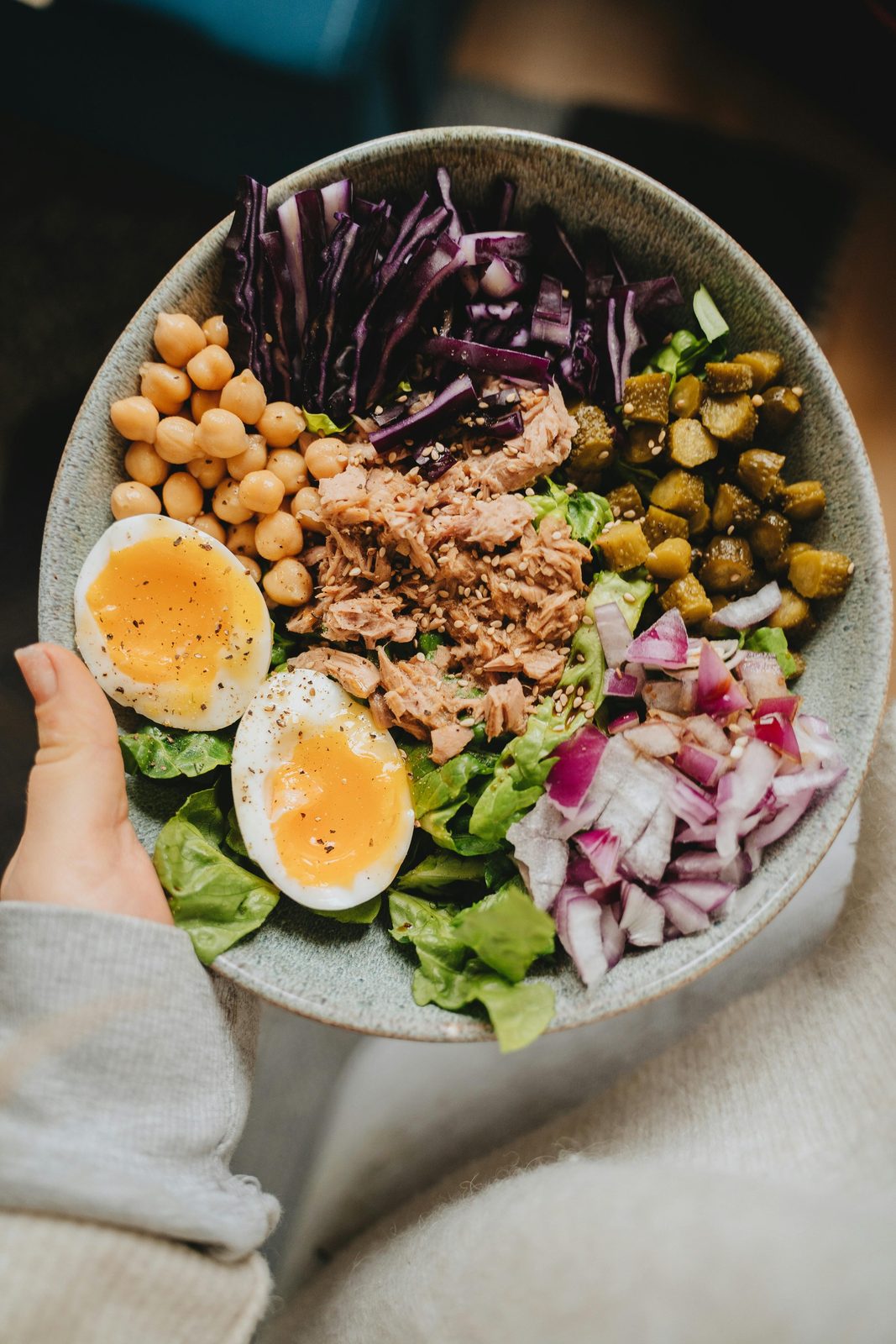
Lunch: A large salad with chickpeas or lentils, vegetables, and olive oil dressing delivers fiber and healthy fats. Or a salmon and vegetable stir-fry with brown rice provides omega-3s and whole grains.
Dinner: Grilled fish or chicken with plenty of steamed vegetables and a small portion of barley or quinoa. Include beans as a side dish when possible.
Snacks: A small handful of almonds, carrot sticks with hummus, or an apple with a small amount of nut butter.
How long before you see results
Most people see measurable cholesterol improvements within 4-6 weeks of making consistent dietary changes. Some changes like increasing soluble fiber show effects even sooner, within 2-3 weeks. This is why doctors often suggest retesting cholesterol after 3 months of lifestyle changes.
Don’t expect dramatic overnight drops. A 10-20% reduction in LDL through diet alone is realistic and clinically significant. For someone with LDL of 160, dropping to 130-145 often moves them from high-risk to moderate-risk category without medication.
The changes need to become permanent to maintain benefits. Cholesterol will climb back up if you return to previous eating patterns. This is why finding an approach you can actually maintain long-term matters more than following the “perfect” cholesterol-lowering diet for a few weeks.
When diet alone isn’t enough
Sometimes, despite excellent dietary changes and healthy lifestyle habits, cholesterol remains high due to genetics. Familial hypercholesterolemia means your body produces too much cholesterol regardless of diet. If you’ve made genuine, consistent changes for 3-6 months and your cholesterol is still very high, medication might be necessary.
This doesn’t mean your dietary efforts failed. They’re still valuable because medication works better when combined with healthy eating. You’ll need lower doses of medication, and your overall cardiovascular health will be better with both approaches together.
The goal isn’t to avoid medication at all costs. It’s to optimize your cholesterol through controllable factors, then add medication if needed. Many people successfully manage cholesterol through diet alone, but some need both, and that’s perfectly fine.
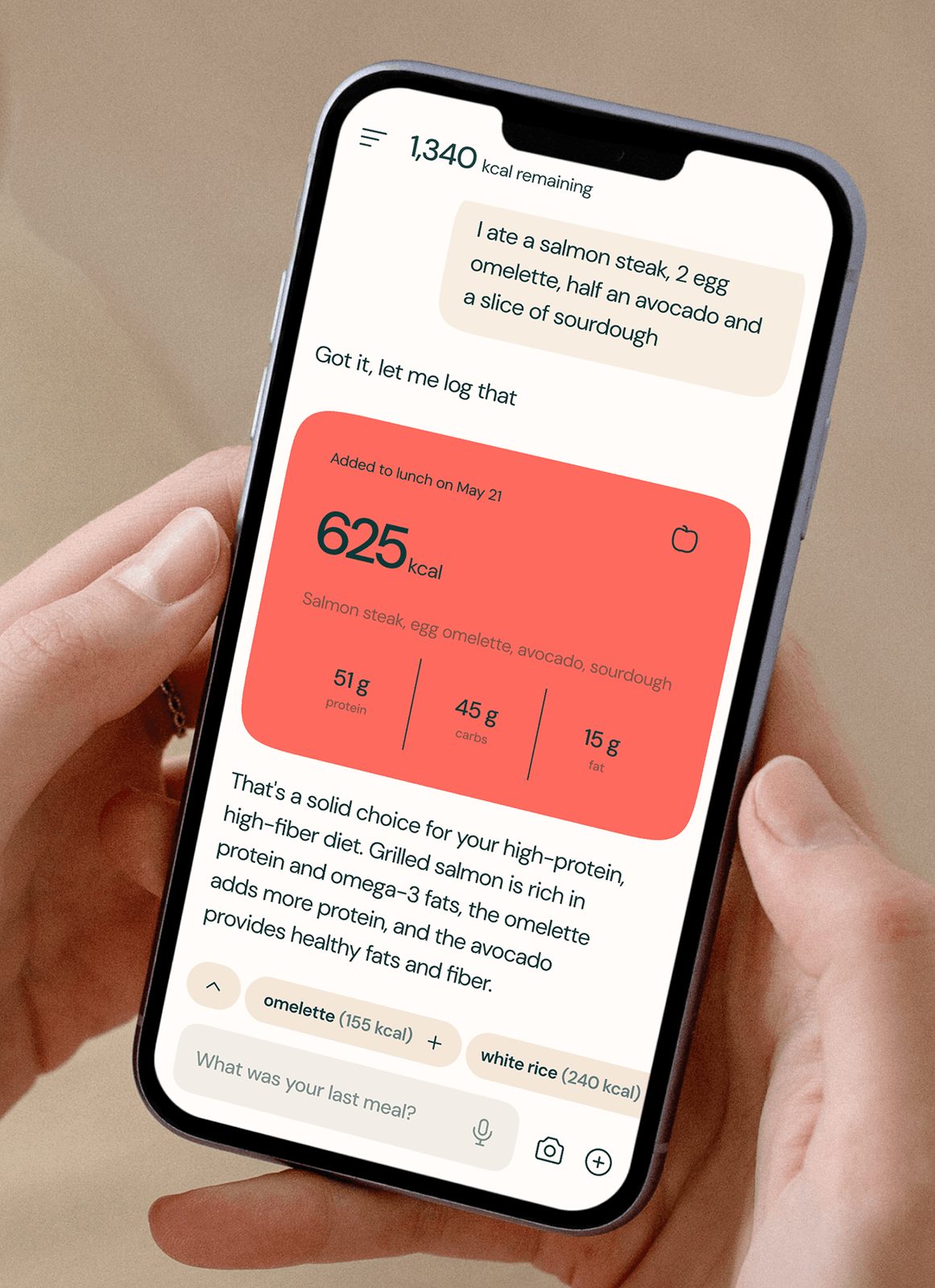
Welling is an AI weight loss coach that simplifies nutrition tracking and provides daily accountability and insights. Rated 4.8 in the App Store by thousands of users.