
For decades, fat was the villain in every diet story. Low-fat everything dominated grocery shelves. Fat-free cookies, fat-free yogurt, fat-free salad dressing. The message was clear: eating fat makes you fat. Except that’s not how it actually works.
The low-fat era didn’t make people healthier or thinner. In fact, rates of obesity and diabetes increased during this time because when food manufacturers removed fat, they replaced it with sugar and refined carbs to make things taste acceptable. People were eating “healthy” low-fat foods and gaining weight.
Understanding the truth about dietary fats, which types genuinely support your health, and how to include them without sabotaging your goals changes how you approach eating entirely.
Why your body actually needs fat
Fat isn’t just allowed in a healthy diet. It’s essential. Your brain is made up of nearly 60% fat and requires dietary fat to function properly. Every cell membrane in your body contains fat. Your body uses fat to produce hormones, absorb certain vitamins, and maintain healthy skin and hair.
Certain vitamins called fat-soluble vitamins (A, D, E, and K) can only be absorbed when consumed with fat. This is why eating vegetables with a little olive oil helps your body actually use the nutrients in those vegetables. The fat acts as a delivery system.
Fat also provides energy, particularly for longer periods of activity. While your body uses carbs for quick energy bursts, once you’ve been moving for more than 20 minutes, your body prefers burning fat for fuel. This is true whether you’re using stored body fat or fat from food.
The fats to limit or avoid
Saturated fat from sources like red meat, butter, cream, and cheese sits in a gray area. Historical research linked it to heart disease, but recent studies show mixed results. The current scientific consensus is moderation. Small amounts are fine, but making saturated fat the primary fat in your diet isn’t ideal.
Trans fats are the only fats with clear-cut evidence of harm. These are artificially created fats (partially hydrogenated oils) that increase bad cholesterol and decrease good cholesterol simultaneously. Many countries have banned trans fats from the food supply, but they can still appear in some processed foods. Check ingredient lists and avoid anything listing “partially hydrogenated oils.”
Why fat doesn’t automatically make you gain weight
Here’s the confusing part: fat contains 9 calories per gram compared to 4 calories per gram for protein or carbs. This calorie density is why fatty foods can quickly add up in your daily intake. But eating fat doesn’t directly cause fat gain any more than eating carbs does.
Weight gain happens when you consistently eat more total calories than your body uses, regardless of whether those calories come from fat, carbs, or protein. The advantage of healthy fats is that they’re highly satiating. A meal with adequate fat keeps you satisfied for hours, which can actually help you eat less overall throughout the day.
Research comparing low-fat diets to diets higher in healthy fats consistently shows that people lose weight successfully on both approaches. Some studies even show better adherence and results with moderate-fat diets because people feel less deprived and more satisfied.
Smart ways to include healthy fats
The goal isn’t to eat unlimited amounts of fat because “it’s healthy now.” It’s to include the right types of fat in reasonable amounts that support both satisfaction and nutrition.
Use olive oil or avocado oil for cooking and dressings instead of butter or margarine. A tablespoon or two adds flavor and healthy fats without going overboard.
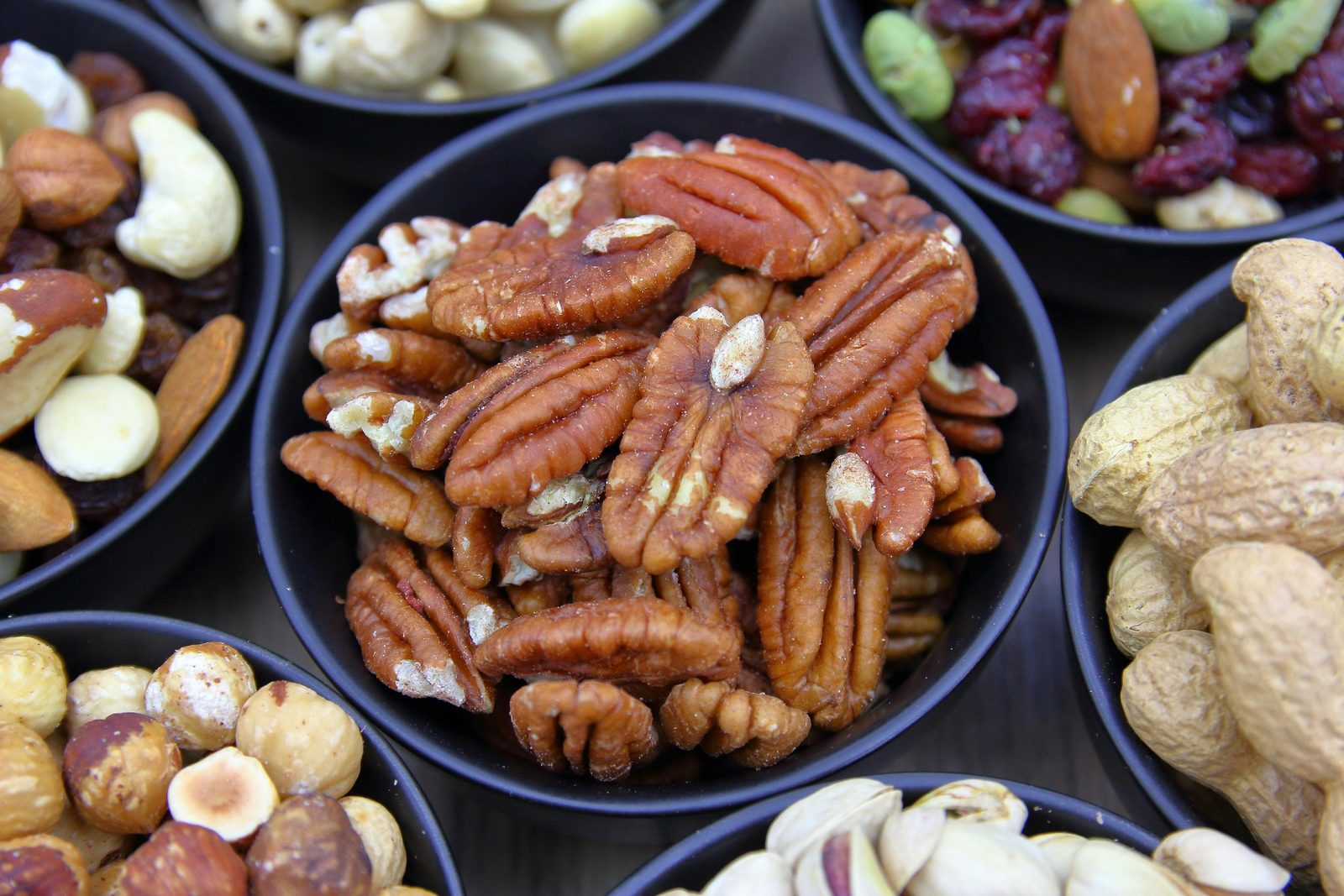
Add nuts or seeds to meals and snacks. A small handful of almonds, walnuts, or cashews (about 30 grams) provides healthy fats, protein, and important minerals. Sprinkle chia seeds or ground flaxseeds on yogurt, oatmeal, or smoothies for omega-3s.
Include fatty fish in your weekly rotation. Aim for 2-3 servings per week of salmon, mackerel, sardines, or other oily fish. These provide omega-3s that most people lack.
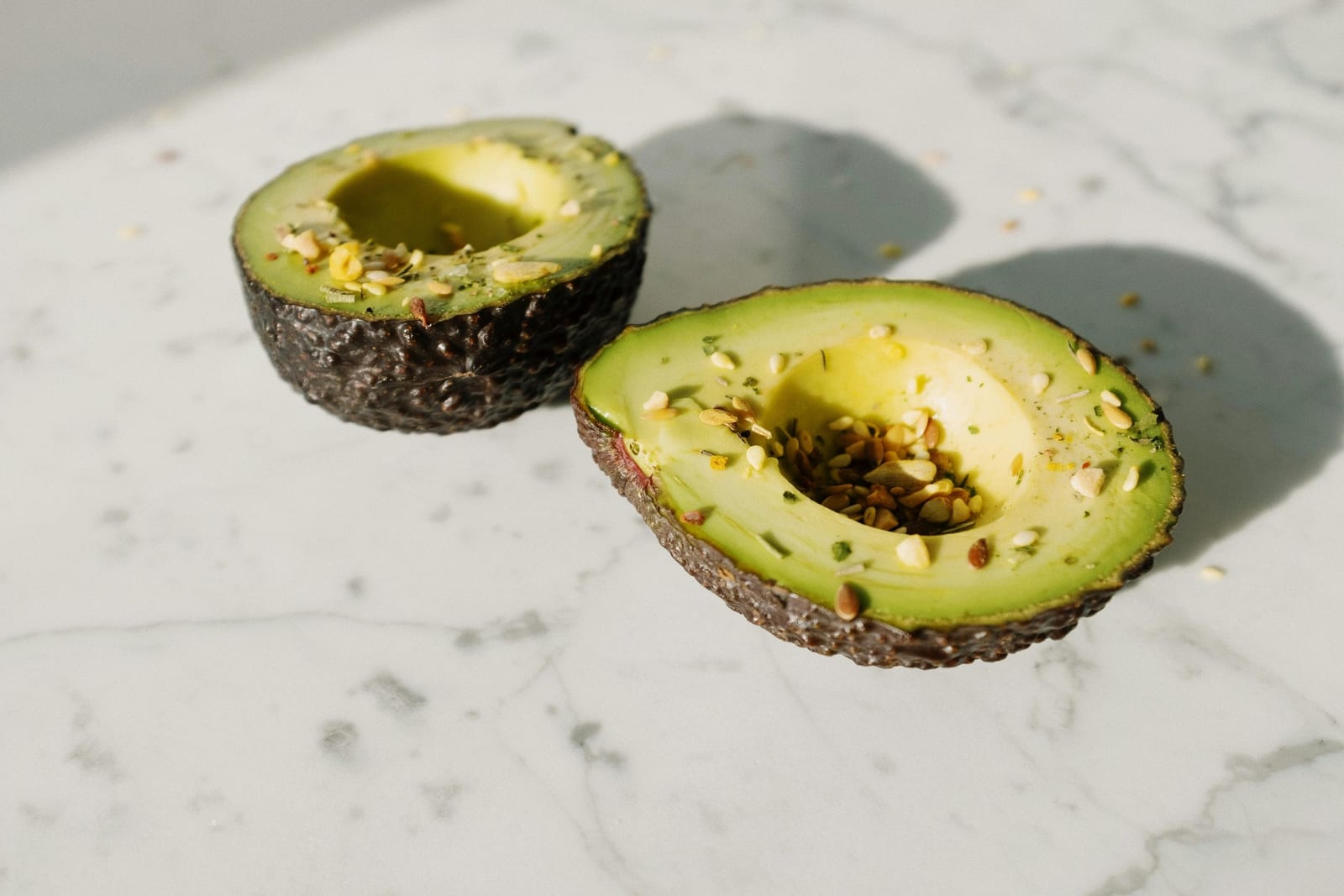
Choose avocado as a spread or addition to meals. It’s incredibly nutrient-dense and provides monounsaturated fats along with fiber and potassium. Half an avocado adds substance to salads, sandwiches, or rice bowls.
Making practical swaps
Small substitutions can shift your fat intake toward healthier sources without feeling like you’re on a restrictive diet.
Swap regular bacon for turkey or chicken bacon to reduce saturated fat while keeping the flavor. Plant-based bacon alternatives made from tempeh or coconut also work well for those avoiding meat.
Replace butter or mayo with mashed avocado on sandwiches and toast. You get healthy fats plus extra nutrients and fiber that butter lacks.
Choose leaner cuts of meat when having red meat. Opt for chicken breast over thighs, or remove the skin from poultry before eating. These small changes reduce saturated fat intake significantly.
Make your own salad dressings with olive oil, vinegar, and herbs instead of using bottled dressings that often contain unhealthy oils and added sugars.
Know your fat intake
One challenge with managing fat intake is that small amounts add up quickly because of the calorie density. Using an AI nutrition coach like Welling helps you see exactly how much fat you’re consuming and from which sources.
Welling organizes your meals and can tell you whether most of your fats come from healthy sources like fish, nuts, and olive oil, or from less healthy sources like fried foods and processed snacks. This visibility helps you make informed swaps without guessing.
You might discover that your go-to afternoon snack is contributing more saturated fat than you realized, or that adding a handful of walnuts keeps you satisfied much longer than crackers with the same calories. These personal insights matter more than generic guidelines.

The balanced approach to dietary fat
The takeaway isn’t that you should eat unlimited fat because it’s “good now.” It’s that including moderate amounts of the right fats supports your health, helps you feel satisfied, and doesn’t prevent weight loss when your total calorie intake is appropriate.
And more importantly, to not be afraid and avoidance of “fat”.
Focus on getting most of your fats from whole food sources: fish, nuts, seeds, avocados, and olive oil. Limit but don’t completely eliminate saturated fats from dairy and meat. Avoid trans fats entirely. And stop fearing fat as the enemy. It’s an essential nutrient your body needs to function properly.
The era of fat-free everything is over for good reason. It didn’t work, it wasn’t sustainable, and the science never actually supported it. Including healthy fats in your diet makes eating more enjoyable and nutritionally complete while still supporting your weight loss and health goals.
Welling is an AI weight loss coach that simplifies nutrition tracking and provides daily accountability and insights. Rated 4.8 in the App Store by thousands of users.