

The supermarket is a battlefield. One aisle promises “whole grain goodness” while hiding refined flour. Another screams “fat-free” but loads up on sugar. You’re trying to make healthy choices, but every package seems designed to confuse rather than inform. Five minutes in the cereal aisle and you’re ready to just grab whatever and leave.
Here’s the truth: food companies spend millions making unhealthy products look healthy. But you can outsmart them with a few simple tricks that make shopping faster, cheaper, and way less stressful.
Start with the quiz: Can you spot the healthier choice?
Scenario 1: The canned tuna dilemma
You need convenient protein. Three cans of tuna sit in front of you:
one packed in oil with salt
one in water with salt
one in water without salt.
Which goes in your cart?
If you picked the water-packed, no-salt-added version, you win. Tuna in oil doubles the calories without adding nutrition. The no-salt option let’s you control sodium instead of getting 400-600mg the manufacturer decided for you. Apply this rule to all canned goods: water-packed, low-sodium wins.
Scenario 2: The bread trap
Four options: white bread, whole-grain pita, rolled oats, brown rice. One of these doesn’t belong. Can you spot it?
White bread is the imposter. It’s stripped of fiber and nutrients, leaving you with quick-digesting carbs that spike blood sugar and leave you hungry. The others are whole grains with fiber intact. Shopping rule: if the first ingredient doesn’t say “whole,” it’s basically white bread in disguise.
Scenario 3: The dressing deception
Three salad dressings, 2 tablespoons each.
Option A: 300 calories, 0g fat, 600mg sodium, 5g sugar.
Option B: 100 calories, 3g unsaturated fat, 100mg sodium, 0g sugar.
Option C: 150 calories, 3g trans fat, 300mg sodium, 10g sugar.
Option B is the clear winner. Option A might scream “fat-free” but packs more calories than dessert. Option C contains trans fats, which should never enter your cart. Lower calories, healthy fats, minimal sodium, no sugar. That’s your dressing formula.

Shop the store like a nutrition detective
Forget shopping by aisle. Think in categories based on what your body actually needs.
Protein headquarters: Hit the eggs, dairy, canned fish, and frozen seafood sections. Choose whole eggs over egg whites (the yolk has the nutrients). Pick Greek yogurt, Skyr, or kefir for higher protein than regular yogurt. Grab canned fish in water, not oil. Stock up on frozen fish when it’s on sale.
Fiber central: This is your produce section, whole grain aisle, and bean section combined. Buy whatever fruits and vegetables are in season or on sale. Frozen works just as well and lasts longer. For grains, the word “whole” should be first on the ingredient list. Aim for 3-4 grams of fiber per serving minimum.
Flavor without the damage: Spices, herbs, vinegars, and citrus give you endless flavor options without calories, sugar, or sodium. Buy salt-free spice blends. Stock vinegars for homemade dressings. Skip premade sauces loaded with sugar and sodium.
Build your personal shopping template
Stop reinventing the wheel every week. Create a master list organized by store section with your go-to healthy items. Once you find a whole grain bread you like, that becomes your default. Same with yogurt, canned goods, frozen vegetables, and proteins.
Your list might look like: Proteins (eggs, Greek yogurt, canned tuna, frozen salmon), Grains (brown rice, whole grain bread, oats), Produce (spinach, bell peppers, bananas, whatever’s on sale), Pantry (low-sodium beans, no-salt-added tomatoes, spices).
Shopping from a tested template means you’re in and out in 30 minutes instead of wandering aisles comparing labels for an hour. Save the label reading for when you’re trying something new.
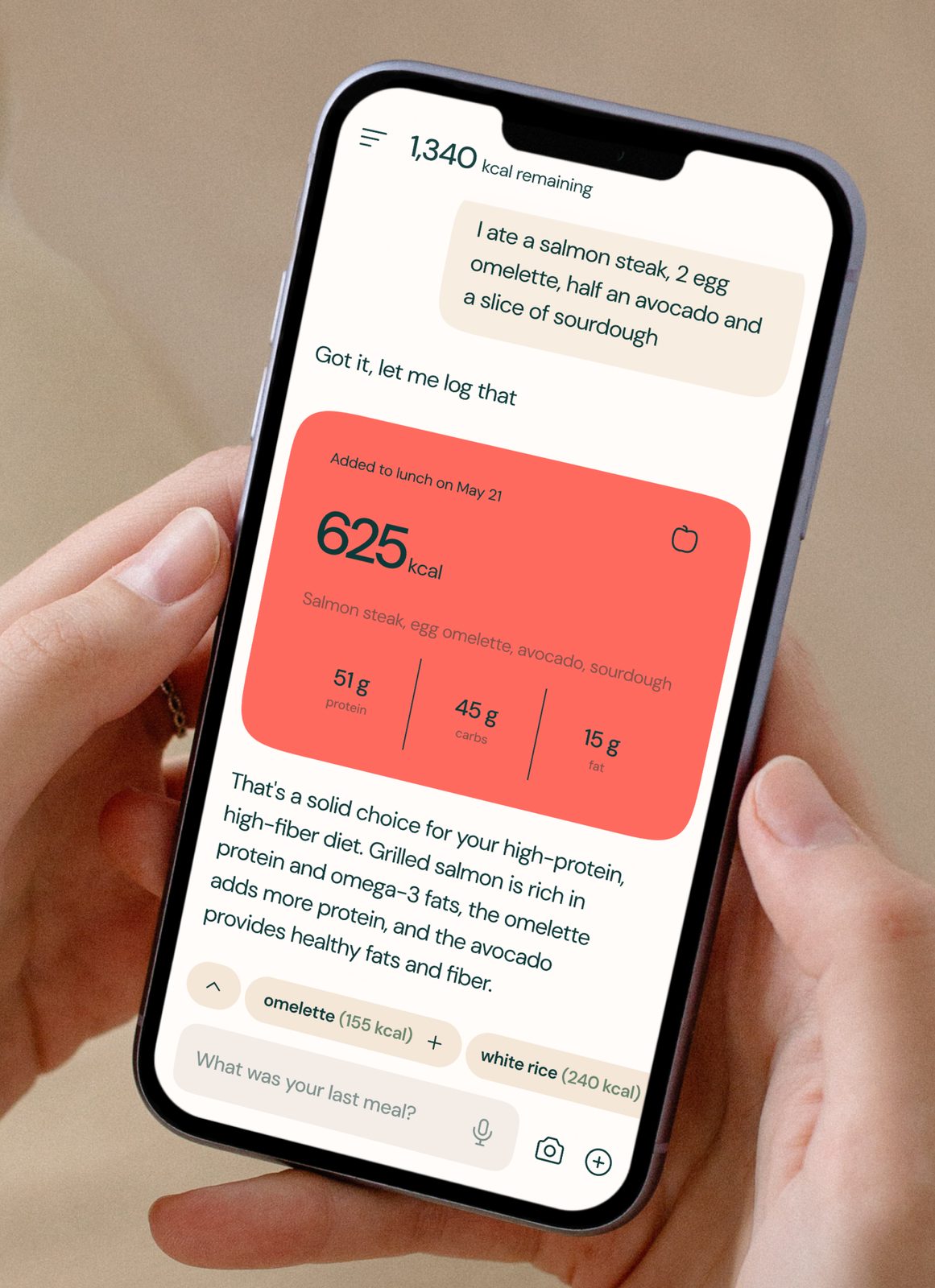
Ask Welling to help with groceries
Generic advice tells you what’s “healthy,” but your body tells you what works. Use the custom diet preferences (Settings > Allergies and Restrictions) in Welling and ask Welling to help with grocery suggestions.
Ask Welling to help analyze your past week’s diet. Maybe whole wheat pasta leaves you bloated but brown rice doesn’t. Maybe certain brands of yogurt keep you full longer. Your personal data beats generic recommendations.
You might discover that spending extra on higher-quality protein keeps you satisfied with smaller portions, making it cost-effective. Or that frozen vegetables work better than fresh because you actually use them before they spoil. These insights make future shopping decisions easier and more effective.
The one category upgrade strategy
Trying to transform your entire cart overnight is overwhelming and expensive. Instead, upgrade one category per month. January, focus on better bread and grains. February, improve your protein choices. March, upgrade condiments and sauces.
This approach is financially manageable and mentally sustainable. You’re not throwing out your entire pantry or breaking the budget. You’re gradually building better habits that stick because they don’t require extreme effort or sacrifice.
Imperfect shopping is okay
Budget constraints, time pressure, and convenience needs mean you won’t always make the optimal choice. The regular version costs half as much as low-sodium. The white rice is what’s available. The convenient frozen meal has more sodium than ideal.
That’s real life. One imperfect shopping trip doesn’t erase the pattern of better choices you’re building. Progress isn’t perfection, it’s direction. Most of your cart being healthier matters more than every single item being optimal.
The goal isn’t becoming someone who only shops at farmers markets, spending hours comparing labels, and preparing everything from scratch. It’s becoming someone who makes consistently better choices within the constraints of normal life. That person sees results that last because the approach is sustainable, not exhausting.
Welling is an AI weight loss coach that simplifies nutrition tracking and provides daily accountability and insights. Rated 4.8 in the App Store by thousands of users.