
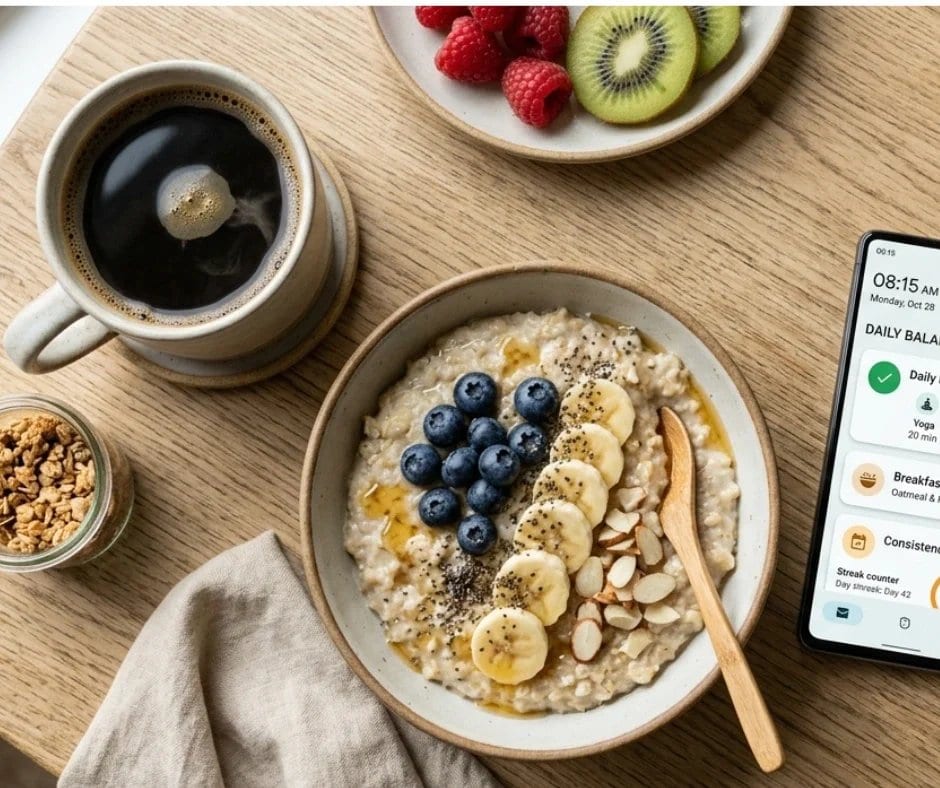
Most people already know what “healthy eating” looks like. The real challenge is doing it consistently.
That’s where many calorie tracking apps fall short. They provide tools, but not systems that support daily habits. Over time, tracking starts to feel like effort and consistency drops.
Welling approaches this differently. Instead of focusing only on tracking, it’s designed to support repeatable, daily behavior. Here’s how it helps build better nutrition habits.
1. Making Tracking Easy Enough to Repeat Daily
Habits depend on repetition.
But repetition only happens when the action feels simple.
Traditional calorie tracking often involves:
searching for foods
entering detailed portions
repeating the same steps every day
Welling reduces this friction by allowing users to log meals through photos or simple descriptions. This lowers the effort required, making it easier to track consistently.
When tracking feels quick and manageable, it becomes something users are more likely to repeat daily.
2. Turning Tracking Into a Routine, Not a Task
One key difference in habit-building is whether something feels like a task or part of a routine.
Welling supports routine formation by:
simplifying the logging process
reducing decision points
keeping interactions consistent
Instead of requiring focus and effort each time, tracking becomes something users can do almost automatically.
This shift is essential for building long-term habits.
3. Providing Feedback That Reinforces Behavior
Habits are strengthened when actions lead to clear feedback.
Welling doesn’t just track calories. It provides:
insights into eating patterns
simple guidance based on recent behavior
reminders of progress over time
This helps users connect their actions with outcomes.
When people see how their habits affect results, they’re more likely to continue.
4. Reducing Mental Effort Around Food Decisions
Daily nutrition involves constant decisions.
Over time, this can lead to decision fatigue, making it harder to stay consistent.
Welling reduces this burden by:
suggesting foods
learning from past meals
providing direction when needed
By lowering the number of decisions users have to make, it becomes easier to maintain good habits without overthinking.
5. Supporting Flexibility in Real-Life Situations
Strict systems often fail outside controlled environments.
Real life includes:
eating out
social events
irregular schedules
Welling is designed to handle these situations by allowing flexible tracking and quick estimates.
This makes it easier to stay consistent, even when routines aren’t perfect.
6. Encouraging Awareness Without Overwhelm
Too much data can be discouraging.
Welling simplifies nutrition tracking by focusing on:
key insights
clear patterns
practical takeaways
Instead of overwhelming users with numbers, it highlights what matters most.
This helps users stay aware of their habits without feeling overloaded.
7. Building Consistency Over Time
Again, the most important factor in nutrition isn’t perfection. It’s consistency.
Welling supports this by:
reducing friction
simplifying daily tracking
reinforcing repeat behavior
Over time, these small, consistent actions turn into habits.
And once habits are formed, maintaining progress becomes significantly easier.
Better nutrition isn’t about knowing more. It’s about doing the right things consistently.
Welling calorie counter apps support this by making tracking:
easier
more flexible
more aligned with daily life
Instead of relying on motivation alone, it helps users build habits they can sustain.
And in the long run, those habits are what drive real results.