

You’ve probably heard that certain foods can affect your energy or help you sleep better. But what about your mood? Can what you eat actually make you feel happier, calmer, or more centered?
The science is surprisingly clear: yes, certain foods can genuinely influence your mental state. Not in a magical cure-all way, but in a real, measurable way that affects the chemicals in your brain.
The research around food and mood is relatively new and still evolving, so we should take it with a grain of salt. Or better yet, a sprinkle of sunflower seeds (more on why in a moment). But the evidence is compelling enough that adding these foods to your diet might just improve how you feel, and at minimum, you’ll be eating healthier.
The serotonin connection
Your brain produces a chemical called serotonin, often referred to as the “feel-good” chemical. It regulates mood, sleep, appetite, and even pain perception. When serotonin levels are balanced, you generally feel more positive, calm, and focused. When they’re low, you might feel anxious, irritable, or down.
Here’s where food comes in: certain nutrients help your body produce and regulate serotonin. You can’t eat serotonin directly (it doesn’t work that way), but you can eat the building blocks your brain needs to make it. This is why what’s on your plate matters for what’s happening in your head.
The three main nutrients that support healthy serotonin levels are tryptophan, omega-3 fatty acids, and vitamin D. Let’s break down what these are and where to find them.
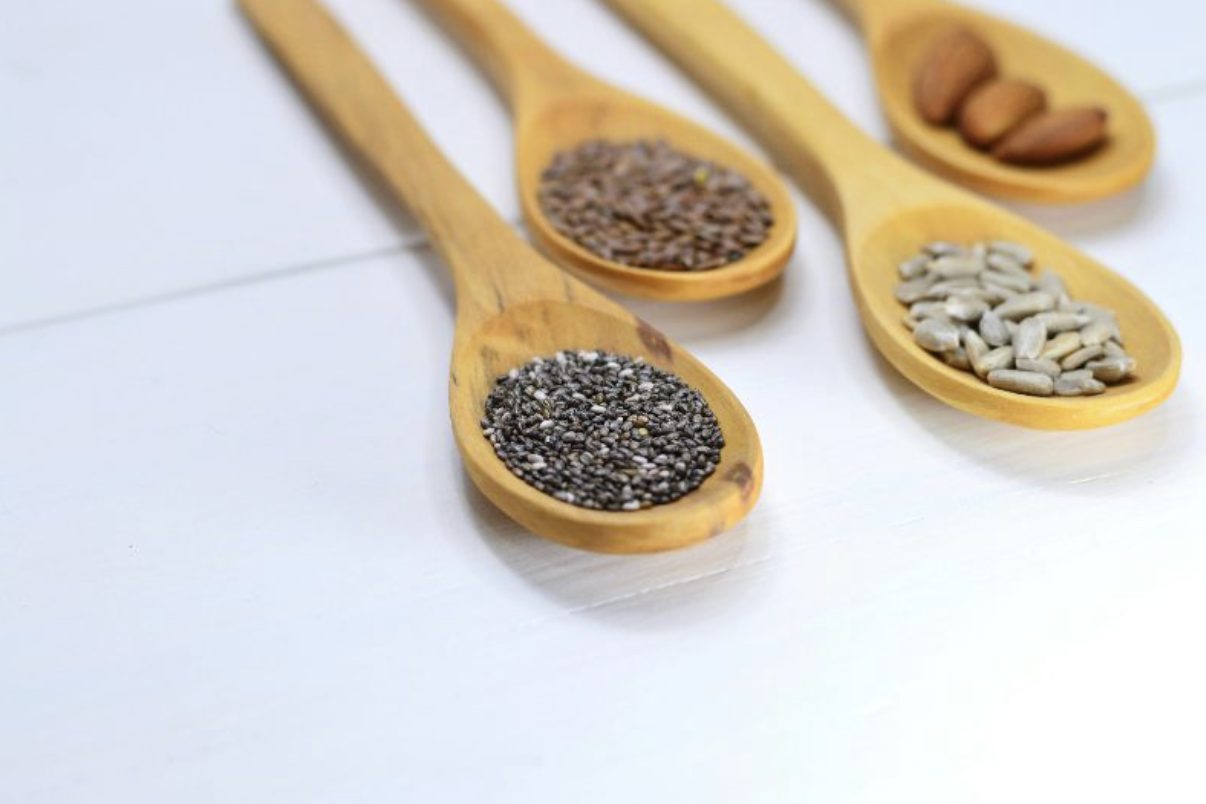
Tryptophan rich foods for mood support
Tryptophan is an amino acid found in protein-rich foods. Your body uses it to produce serotonin, which is why eating tryptophan-rich foods can genuinely affect your mood. Turkey gets all the attention (and blame for post-Thanksgiving sleepiness), but plenty of other foods contain even more tryptophan.
Nuts and seeds are excellent sources. Pumpkin seeds, sunflower seeds, chia seeds, flaxseeds, pistachios, and cashews all pack significant amounts of tryptophan. A small handful as a snack or sprinkled on yogurt or salads adds both nutrition and mood support.
Soy products like tofu, tempeh, and edamame contain tryptophan along with other beneficial compounds. These are particularly good options if you eat mostly plant-based foods. Cheese varieties like mozzarella, parmesan, cheddar, and Swiss also provide tryptophan, though portion control matters here.
Animal proteins including chicken, turkey, lamb, beef, pork, and especially fish like salmon, tuna, halibut, and cod are rich sources. Eggs are another excellent option. Legumes such as white beans, kidney beans, black beans, and lentils provide tryptophan along with fiber and other nutrients.
Even whole grains like oats, oat bran, and buckwheat contain tryptophan. This is one reason why a bowl of oatmeal might help you feel calm and satisfied beyond just filling your stomach.
Omega-3 fatty acids for brain health
Omega-3s are fatty acids essential for brain function and serotonin production. Your body can’t make them on its own, so you need to get them from food. These fats are particularly important for mental health, with research linking adequate omega-3 intake to lower rates of depression and anxiety.
Oily fish are the best sources. Mackerel, salmon, sardines, herring, and tuna provide omega-3s in forms your body easily absorbs and uses. Aim for 2-3 servings per week if possible. Fish that are common in Asian markets like mackerel and salmon work perfectly.
For those who don’t eat fish, plant-based sources include walnuts, chia seeds, flaxseeds, and hemp seeds. These provide a type of omega-3 that your body has to convert to the active form, so you may need larger amounts. Adding walnut oil, flaxseed oil, or hemp oil to salads or vegetables is another option.
Soy products (if fortified), along with vegetables like spinach, kale, and Brussels sprouts contain smaller amounts of omega-3s. While these shouldn’t be your only source, they contribute to your overall intake.
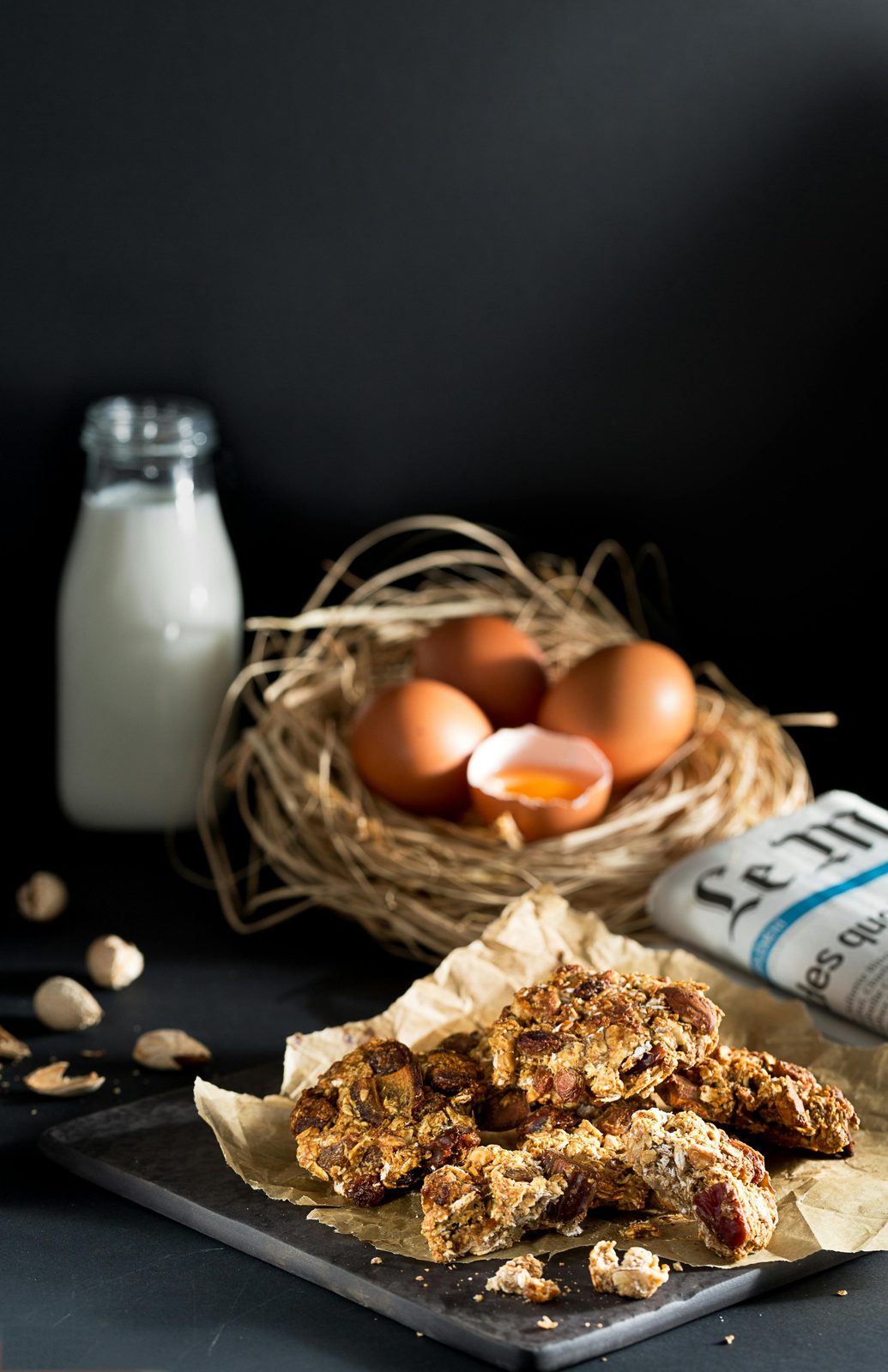
Vitamin D for serotonin regulation
Vitamin D plays a crucial role in serotonin production and regulation. Low vitamin D levels are strongly associated with mood issues, particularly seasonal depression during months with less sunlight.
Unfortunately, very few foods naturally contain significant vitamin D. Mushrooms (especially those exposed to UV light), whole eggs (the yolk contains the vitamin D), and fatty fish like salmon and mackerel provide some. Fortified milk (including some plant-based milks) adds vitamin D, but amounts vary by brand.
The best source of vitamin D isn’t food at all, it’s sunlight. Your skin produces vitamin D when exposed to sunlight. Aim for 10-30 minutes of midday sun exposure several times per week. If you live in a place with limited sunlight or spend most time indoors, you might need more. This is especially relevant in tropical climates where people often avoid sun, ironically creating vitamin D deficiency despite abundant sunshine.
Practical ways to add mood-boosting foods
You don’t need to overhaul your entire diet. Start by incorporating one or two mood-supporting foods into meals you already eat. Add chia seeds or walnuts to your morning yogurt or oatmeal. Snack on a handful of cashews or pumpkin seeds instead of chips. Include salmon or mackerel in your weekly meal rotation.
Make tofu stir-fry with plenty of vegetables and sesame oil. Add edamame as a side dish or snack. Sprinkle sunflower seeds on salads. Have eggs for breakfast a few times a week. These small additions provide tryptophan, omega-3s, and other mood-supporting nutrients.
Fermented soy products like miso and tempeh not only provide tryptophan but also support gut health, which is increasingly recognized as important for mental health. The gut-brain connection means that foods supporting your digestive system can also influence your mood.

Try the one week mood food experiment
Here’s a simple way to test whether food affects your mood: Choose 2-3 foods from the lists above that appeal to you and that you don’t currently eat regularly. Make a plan to include at least one of these foods in your diet every day for the next week.
For example, you might commit to having salmon twice this week, snacking on walnuts daily, and adding chia seeds to your breakfast. Or you could focus on having eggs for breakfast, edamame as an afternoon snack, and getting 15 minutes of midday sun exposure.
Track it with Welling: Using an AI food and health coach like Welling makes this experiment much easier and more insightful. Log your mood-boosting foods through the chat interface and add notes about how you’re feeling each day. After a week, you can review your logs and see if there’s a connection between certain foods and better mood, energy, or sleep quality.
You might discover patterns you wouldn’t notice otherwise. Maybe you sleep better on days when you eat salmon. Or perhaps your afternoon energy is more stable when you have nuts as a snack. This personalized data is more valuable than general recommendations because it shows what actually works for your body.
The realistic perspective
Food isn’t a replacement for mental health treatment if you’re dealing with depression, anxiety, or other serious conditions. But nutrition can be a supportive factor alongside other approaches. Think of mood-boosting foods as one tool in your overall wellness toolkit, not a magic cure.
The beauty of this approach is that even if these foods don’t dramatically change your mood, they’re still nutritious additions to your diet. Omega-3s support heart health. Tryptophan-rich proteins help maintain muscle. Vitamin D supports bone health. You’re not risking anything by trying, and you might gain more than just physical health benefits.
Small, consistent additions matter more than dramatic overhauls. Adding a serving of fatty fish twice a week, snacking on nuts instead of processed foods, and getting regular sun exposure are realistic changes that fit into normal life while potentially supporting both physical and mental wellbeing.
Welling is an AI weight loss coach that simplifies nutrition tracking and provides daily accountability and insights. Rated 4.8 in the App Store by thousands of users.