
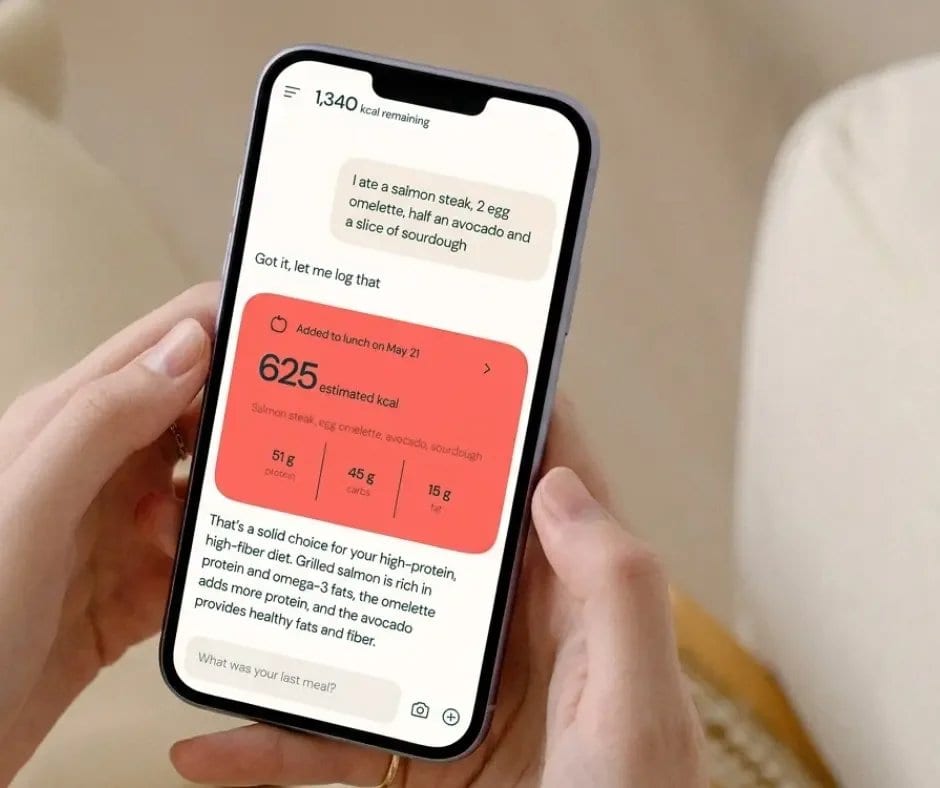
Tracking calories is only useful if you know what to do with the data. Many people log meals consistently but still feel stuck. The issue isn’t effort, it’s interpretation. Numbers alone don’t clearly tell you what needs to change.
That’s where actionable feedback matters.
Instead of just collecting data, Welling is designed to analyze and translate it into meaningful insights that users can actually apply in daily life.
Here’s how that works.
1. Turning Food Logs Into Clear Insights
Most calorie tracking apps show:
daily calorie totals
macro breakdowns
food logs
But interpreting that information takes effort. Welling processes your logs and highlights:
patterns in calorie intake
trends across days or weeks
areas where intake may not align with your goals
This reduces the need for manual analysis and makes the data more useful.
2. Identifying Patterns You Might Miss
Looking at one day of eating rarely tells the full story. Welling focuses on patterns over time, such as:
consistent overeating at certain times
irregular meal timing
repeated food choices
By analyzing multiple days of data, the app helps users understand habits, not just isolated meals. This makes it easier to spot what’s actually influencing progress.
3. Providing Practical, Actionable Suggestions
Feedback becomes useful only when it leads to action. Instead of general advice, Welling provides:
specific suggestions based on recent meals
guidance tailored to your goals
small adjustments that are realistic to follow
For example, if your intake is consistently higher in the evening, the app may suggest simple ways to rebalance your meals. This keeps recommendations practical rather than overwhelming.
4. Personalizing Feedback Based on Your Goals
Not every user is trying to achieve the same outcome. Welling adapts feedback depending on whether you want to:
lose weight
maintain weight
build muscle
It calculates personalized calorie and macro targets based on your profile and adjusts recommendations accordingly. This ensures the feedback stays relevant as your progress evolves.
5. Delivering Feedback in Real Time
Timing plays a key role in behavior change.
Welling provides feedback:
during or shortly after logging
based on recent activity
in a format that’s easy to act on
Because of this, users can apply insights immediately, rather than reviewing reports at the end of the day or week. This short feedback loop helps reinforce better decisions.
6. Simplifying Complex Nutrition Concepts
Nutrition can quickly become overwhelming, especially for beginners. Welling simplifies concepts like:
calorie balance
macronutrient distribution
portion control
Instead of technical explanations, the app presents:
clear summaries
easy-to-understand guidance
practical next steps
This makes the feedback accessible, even without prior knowledge.
7. Reinforcing Progress and Consistency
Effective feedback isn’t just about fixing mistakes.
Welling also:
highlights progress
reinforces positive habits
provides accountability through reminders
This combination helps users stay consistent, which is one of the most important factors in long-term results.
Calorie tracking alone doesn’t drive results, understanding does. Welling bridges that gap by:
analyzing your data
identifying patterns
offering actionable guidance
By turning tracking into a feedback-driven system, it helps users move from simply logging meals to making informed decisions.
And when those decisions become easier to make consistently, progress becomes much more achievable.