
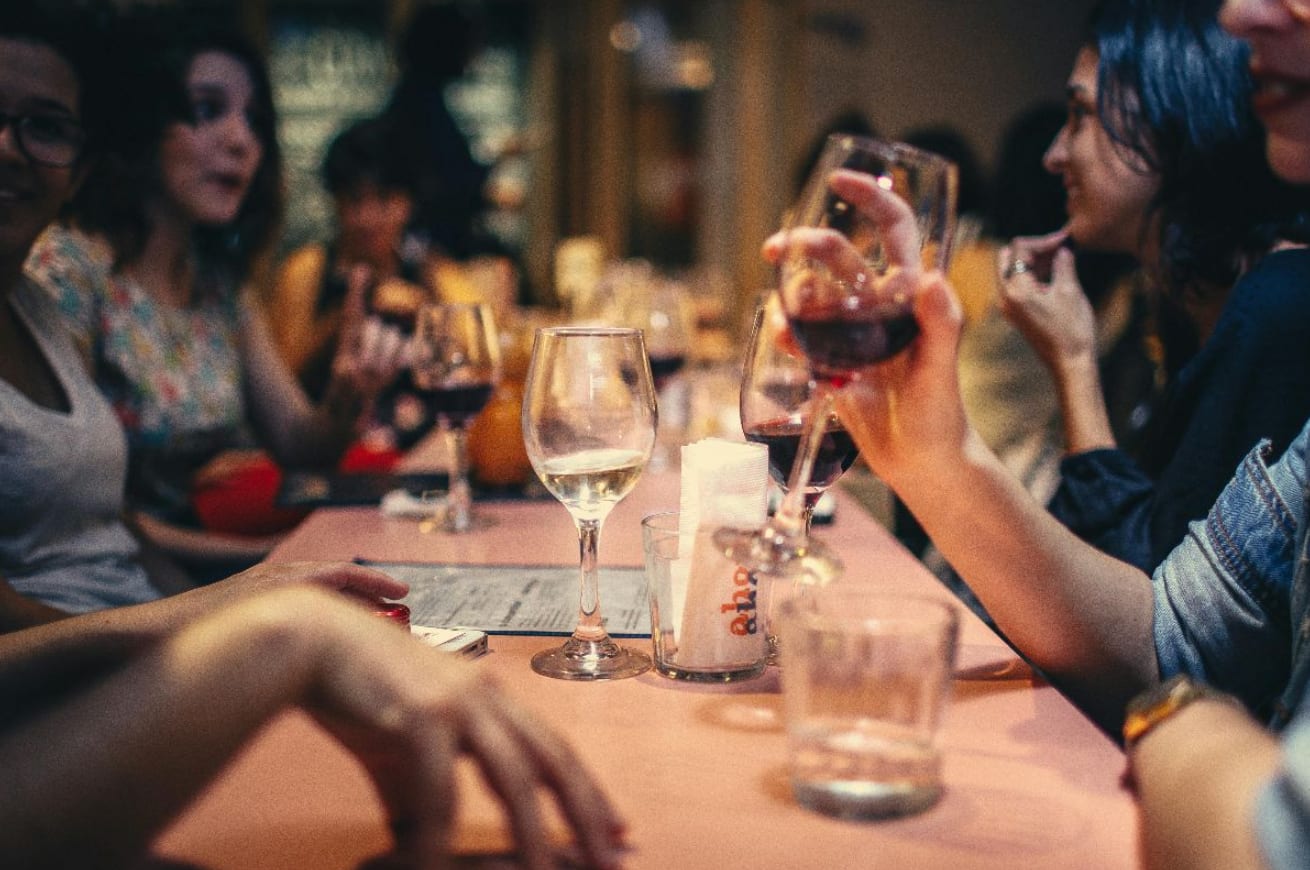
You’re doing everything right. Eating well, exercising, tracking your meals. But those Friday night drinks with colleagues or weekend gatherings keep happening, and the scale isn’t moving. Before you blame the food, consider this: alcohol might be the hidden factor stalling your progress in ways you never realized.
The holidays are around the corner, so let’s talk about alcohol.
The relationship between alcohol and weight loss goes far deeper than just the calories in your drink. Understanding how alcohol actually works in your body can help you make smarter choices without giving up your social life completely.
Why alcohol sabotages weight loss
When you drink alcohol, your body treats it like a toxin that needs immediate attention. Your liver stops everything else it’s doing, including burning fat, to process the alcohol first. This means fat burning completely stops for hours after drinking, even if you’re in a calorie deficit.
A single glass of wine contains 120-150 calories, but the impact goes beyond that number. Alcohol lowers your inhibitions and increases appetite, which is why the supper after drinks is often the real problem. You end up ordering pizza, fried rice, or chicken nuggets that you wouldn’t normally eat.
Sleep quality takes a massive hit from alcohol. Even one or two drinks can disrupt your deep sleep, which affects hunger hormones the next day. Poor sleep increases cravings for sugary and fatty foods, making it much harder to stick to healthy choices.
The hidden calorie problem
Most people drastically underestimate alcohol calories. That innocent-looking cocktail at a bar? Easily 250-400 calories, equivalent to a full meal. A pint of beer has around 180-200 calories. Those Friday night drinks can easily add up to 1,000+ extra calories without you feeling full or satisfied.
Unlike food, alcohol provides zero nutrition. No protein, no fiber, no vitamins. Just empty calories that don’t satisfy hunger, which means you’ll still need to eat real food on top of those drink calories.
The worst part? Alcohol calories get stored as fat more efficiently than food calories because your body can’t use them for energy while it’s busy processing the alcohol as a toxin.
What happens the day after drinking
Even if you manage portion control while drinking, the next day is often worse. Hangover hunger is real. Your body is dehydrated, your blood sugar is unstable, and you’re craving carbs and greasy food for quick energy.
Most people make terrible food choices the day after drinking, often consuming 500-1,000 extra calories trying to feel better. This means one night of drinking can affect your eating for 2-3 days total.
Your workout performance also suffers. You’re dehydrated, tired, and your body is still recovering. That gym session you planned? It’ll either get skipped or be significantly less effective. We’ve all been there…

Smarter drinking strategies
We won’t tell you to quit drinking (we understand you have busy social lives and need to unwind now and then), so these strategies minimize the damage:
Choose lower-calorie options. A glass of dry wine (120 calories) or a shot of spirits with soda water beats sugary cocktails every time. Skip the beer towers and frozen margaritas.
Set a limit before you go out. Decide on 1-2 drinks maximum and stick to it. Alternate each alcoholic drink with a full glass of water. This keeps you hydrated and naturally reduces how much you drink.
Eat before drinking. Having a protein-rich meal before going out slows alcohol absorption and reduces the chance of drunk eating later. Never drink on an empty stomach if you’re trying to lose weight.
Plan your week with drinks in mind. If you know you’re drinking Friday night, eat slightly lighter earlier in the week. Not restrictively, just a bit more mindful. This creates room for the extra calories without derailing progress.
Better alternatives for social situations
You don’t have to drink alcohol to be social. Sparkling water with lime looks like a cocktail and keeps you hydrated. Fresh lime juice with soda water and a touch of honey gives you something flavorful without the alcohol.
Coconut water provides natural sweetness and electrolytes. Chinese tea or green tea works well for meals and social gatherings where you want something besides plain water.
In social settings, the key is having something in your hand so you don’t feel awkward or pressured to drink. Most friends respect your choices when you’re confident about them.
Track the real impact
Using Welling helps you see the relationship between drinking and your progress. Log your drinks along with your meals and ask Welling how the days with alcohol affected you. You might discover that weeks when you drink show slower progress, even when your food choices are good.
This isn’t about guilt or restriction. It’s about having clear information to make informed choices. Maybe you decide drinking every weekend isn’t worth the stalled progress. Or maybe you choose to drink less frequently but really enjoy those occasions.
The bottom line: You don’t have to give up alcohol completely, but understanding its real impact helps you make strategic choices. Some people find that cutting back or taking breaks from drinking is the breakthrough they needed for consistent weight loss. Others learn to balance occasional drinks with their goals. The right choice is whatever feels sustainable for your life and supports your progress.
Welling is an AI weight loss coach that simplifies nutrition tracking and provides daily accountability and insights. Rated 4.8 in the App Store by thousands of users.