

You finish dinner and promise yourself you are done for the day. But then 10PM arrives, and suddenly the ice cream in the freezer or the bag of chips in the pantry starts calling. Many people wonder if eating late at night automatically leads to weight gain, and the answer might surprise you.
The truth about eating after dark
Eating at night doesn’t inherently cause weight gain. it’s the total calories you eat throughout the day that matter most. However, late-night eating often leads to mindless snacking on high-calorie foods, larger portions, or eating out of boredom and fatigue rather than true hunger.
These habits can easily push you into a calorie surplus, which is what causes weight gain. Plus, poor sleep from heavy or late meals can disrupt hormones that regulate appetite, making cravings worse the next day. If nighttime eating fits your routine, focus on mindful choices and balanced portions, and it won’t derail your progress.
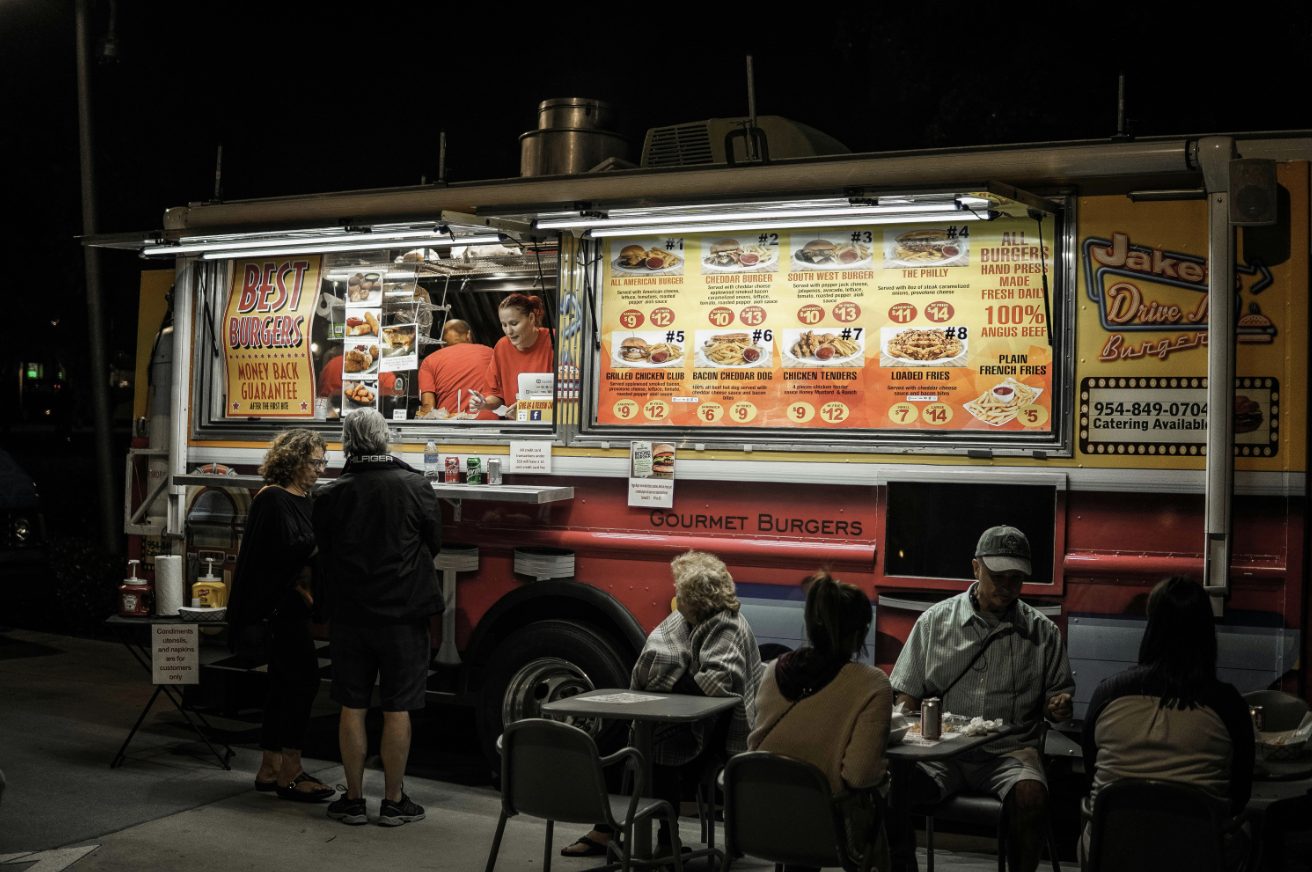
Why nighttime cravings happen
There are two common reasons people feel hungrier at night. First, many under-eat during the day or skip balanced meals, which leaves them genuinely hungry later. Low protein and fiber intake are especially linked to stronger cravings in the evening.
Second, emotions play a role. After a long day, stress, fatigue, or even boredom can trigger the urge to snack. This makes late-night eating feel harder to control compared to daytime meals.
The sleep connection
Poor sleep and nighttime snacking often go hand in hand. When you do not get enough rest, hormones like ghrelin (which stimulates hunger) increase, while leptin (which signals fullness) decreases. This imbalance can make cravings for high-calorie, high-sugar foods much stronger in the evening.
Getting consistent, good-quality sleep is one of the simplest ways to reduce late-night hunger and support weight management.
How to handle cravings wisely
If you find yourself hungry at night, it does not mean you have failed. Instead, think of it as a signal to adjust. Having a protein-rich dinner with plenty of vegetables can reduce the urge to snack later. If you are still hungry, choose lighter snacks that satisfy without overloading calories, such as Greek yogurt with fruit, a small handful of nuts, or a bowl of edamame.
Checking in with yourself also helps: are you actually hungry, or are you simply tired or stressed? Sometimes a glass of water or going to bed earlier solves the problem.

Welling as your companion
Late-night snacking does not need to derail your progress. With Welling, you can log your evening snack and instantly see how it fits into your day. If you are unsure what to pick, snap a photo of your options and Welling can suggest smarter alternatives that still feel satisfying. Instead of judgment, you get feedback that makes it easier to stay in control.
The bottom line
Eating after dark is not the problem. What matters is the quality and quantity of the food you choose and how it fits into your overall intake. A mindful snack at night can even help you feel more satisfied and sleep better. With awareness, balanced meals, and support from Welling, you can handle nighttime cravings in a way that works for your goals instead of against them.
Welling is an AI weight loss coach that simplifies nutrition tracking and provides daily accountability and insights. Rated 4.8 in the App Store by thousands of users.