

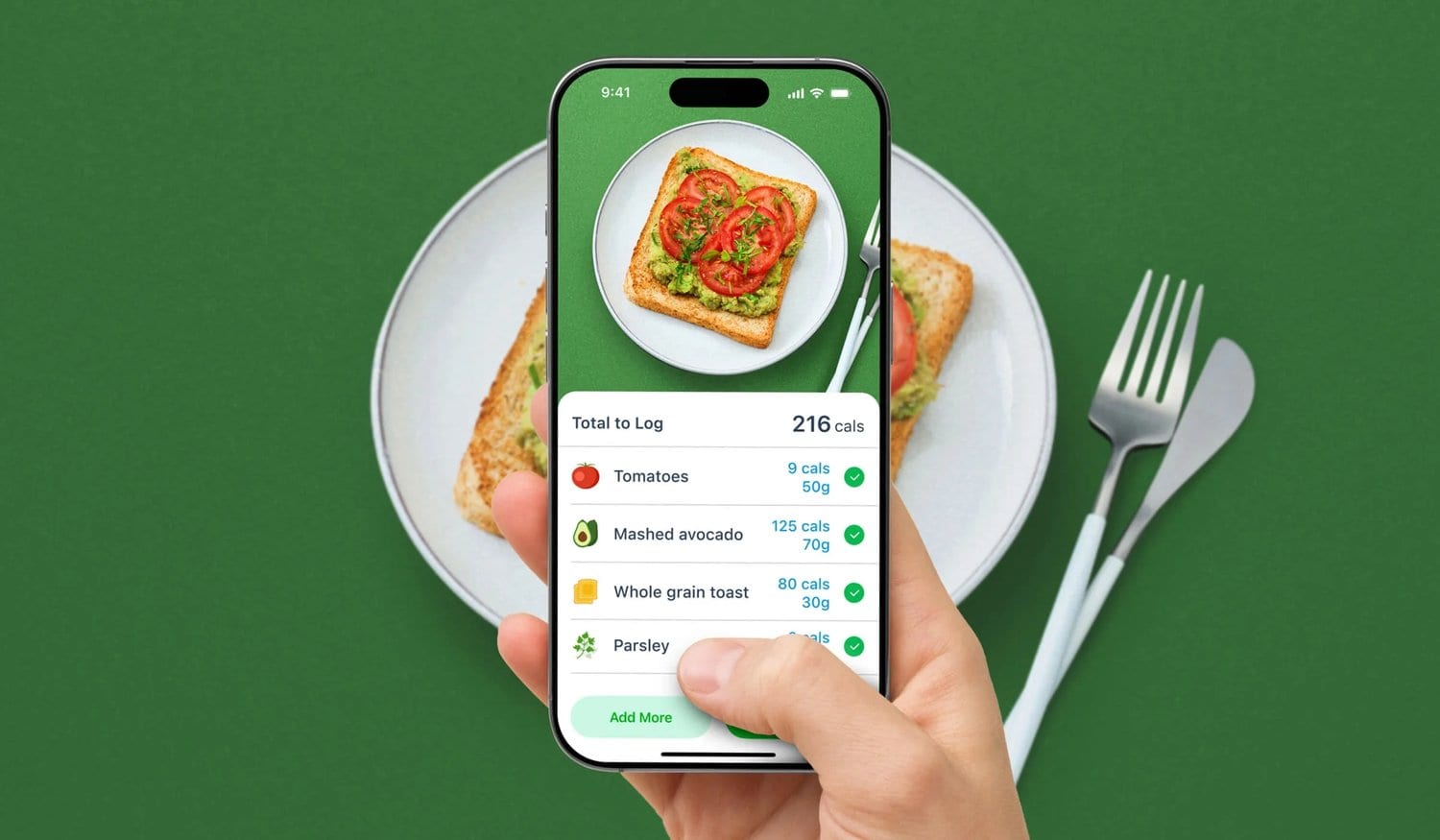
Food tracking used to mean hours of searching a database and typing portions. Today a new generation of AI food tracker tools can analyze photos or simple descriptions and generate nutrition data in a fraction of the time. These tools use advanced computer vision and machine learning models to identify foods, estimate portions, and calculate calories and macros. Thanks to these innovations, logging meals is faster and more accurate than ever before.
This article explains how AI recognizes your food, the real strengths and limitations of the technology, examples of tools that use AI food recognition, and how to use these systems effectively.
Table of Contents
- What an AI Food Tracker Is
- How AI Detects Meals
- Key Technologies Behind Meal Detection
- Accuracy and Real World Limitations
- Examples of AI Food Tracker Tools
- Benefits of AI Food Detection
- Practical Tips for Using AI Food Trackers
- Frequently Asked Questions (FAQs)
- References
What an AI Food Tracker Is
An AI food tracker is a type of nutrition tracker that uses artificial intelligence to identify foods and estimate nutritional content from images, text, or voice input. Traditional food logs require manual entry for each ingredient, but AI makes it possible to log a meal in seconds.
Some tools let you snap a picture and automatically identify foods and macronutrients, while others let you type or speak your meal description and then provide a nutritional breakdown. This shift makes logging much easier and boosts consistency, a key predictor of long-term success in nutritional goals.
How AI Detects Meals
AI food tracking systems rely on a few major components working together to recognize and analyze your food:
Image Recognition from Photos
AI models trained on large datasets of food images can identify different items in a photo, for example, proteins, grains, fruits and vegetables. These image recognition systems analyze visual features like shape, color, and texture to match foods against known patterns.
Combining Visual and Text Clues
Some apps support text or chat logging where you describe what you ate, such as “grilled chicken salad with avocado.” Natural language processing interprets the description and converts it into structured nutrition data.
Portion Estimation
AI estimates portion sizes from relative objects in the image (plate size, utensil size, etc.) or from user prompts about quantity. This remains one of the hardest parts of AI food detection, but it improves tracking speed compared with guessing manually.
Segmentation and Classification
Advanced AI systems break meals into segments such as separating rice from chicken before identifying each food type and calculating calories. Research shows these methods can outperform human visual estimation in many cases.
Key Technologies Behind Meal Detection
AI food trackers use several key techniques:
Computer Vision Models Convolutional neural networks and similar architectures are used to process food images and recognize individual components. These models are trained on millions of labeled images to improve accuracy.
Natural Language Processing Models When you describe your meal in text or chat, NLP interprets the words and context to identify foods and portion information. This reduces reliance on a strict database search.
Nutrient Database Mapping Once foods are recognized, the system maps them to nutritional databases to estimate calories, macros, and sometimes micros.
Accuracy and Real World Limitations
AI food trackers are impressive, but it’s important to understand their limitations:
Food Type Complexity
AI does a good job with simple foods like apple slices or grilled chicken, but mixed dishes or sauces can be harder to interpret. Studies on AI in nutrition assessment highlight that while current tools can rival or exceed human estimates in some scenarios, food image databases and real world conditions still introduce variability. Enhancement with specific databases is advised.
Lighting and Angles
Poor lighting or obscured images reduce recognition accuracy. The clearer and more centered the photo, the better the AI performs.
Portion Estimates Are Still Approximate
AI does not weigh food; instead it estimates based on visual cues or user input. This makes AI food trackers suitable for everyday goals, though not a replacement for weighed food scales in clinical contexts.
Cultural and Diverse Foods
Most AI recognition systems perform best on widely studied foods and have more difficulty with regional or traditional meals that are less represented in training data.
Even so, the best AI food trackers achieve fast, usable nutrition estimates for daily logging that far outpace traditional manual methods.
Examples of AI Food Tracker Tools
Here are some examples of tools that demonstrate how AI auto detection works:
Cal AI
An AI-powered tracker where users snap a photo or describe their meal and get instant calorie and nutrition info.
AI Food Scanner
A photo-based calorie app that identifies foods and provides nutrition breakdowns with minimal input.
What the Food
Upload a food photo and let the system estimate portions and calories for carbs, fat, and protein.
Food Spy AI
Instantly tracks calories, macros and even allergens from a single photo.
Foodvisor
Photo recognition combined with personalized nutrition plans.
BitePal
AI food tracker that analyzes photos and provides insights and tips after every logged meal.
Welling

An AI food tracker and nutrition coach that interprets meal photos or descriptions and provides calorie and macro estimates, personalized targets, and feedback. Like other smart nutrition tools, it uses pattern recognition and a rich food dataset to support easier logging and habit formation. Welling let’s you track meals with a photo or text chat, reducing the need for manual entry and making calorie tracking more sustainable.
Benefits of AI Food Detection
Much Faster Logging
Instead of searching a database food by food, AI lets you capture your meal in one action and get an estimate immediately. Fast logging improves consistency, and consistency is one of the strongest predictors of long-term success with nutrition goals.
Reduced Human Error
AI helps avoid common manual errors such as selecting the wrong item or miscounting portions, which can skew calorie and macro sums.
Works Across Many Types of Meals
AI tools can interpret mixed dishes, restaurant plates, and foods from different cuisines much better than old text-only search systems alone.
Easier for Beginners
People who feel intimidated by manual food logs often stick with AI trackers because they are faster and feel more intuitive.
Tips for Using AI Food Trackers Well
To get the best results:
Take clear photos with good lighting.
Describe your meal when prompted for better portion and ingredient details.
Check estimates and adjust if the AI mislabels items.
Stay consistent with logging. Even perfect accuracy is less important than daily tracking habits.
Frequently Asked Questions (FAQs)
What is an AI food tracker
It’s an app that uses artificial intelligence to recognize foods and estimate calories and nutrients from photos, voice, or text.
Are AI food trackers more accurate than manual tracking
AI reduces many manual errors and saves time, though portion size estimates remain approximations for most tools.
Can AI food trackers work offline
Most require an internet connection for processing and nutrition lookup.
Do AI food trackers work for all foods
They work best on common foods and simple dishes; complex or regional foods may be less accurately identified.
References
Fitia – Best Food Tracking Apps of 2026
AI Food Scanner on Google Play
What the Food AI macro tracker
Best Free AI Calorie Tracking Apps 2026
Image-based food recognition systems research
AI food scanner research from NYU
Welling is an AI weight loss coach that simplifies nutrition tracking and provides daily accountability and insights. Rated 4.8 in the App Store by thousands of users.